
Vaccines
School-level data can be a powerful tool for preventing and fighting outbreaks, researchers say. Yet depending on the state, the information may not be routinely available.
Classes are resuming amid record-high measles cases. A single case could cause major disruptions for those exposed.
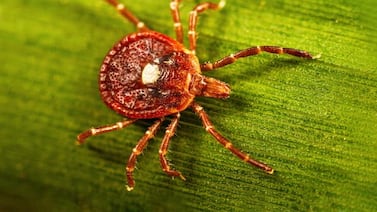
The lone star tick is driving the rapid rise of alpha-gal syndrome, a delayed allergy to red meat, and cases may be undercounted. Meanwhile, a new vaccine for Lyme disease faces challenges.
Rates of some childhood immunizations in New York City are starting to lag. A City Council plan tasks the health department and schools with educating parents about the importance and safety of the shots.
7 things to know about how the largest U.S. outbreak in 35 years started and ended.
One of the clearest warning signs is measles, mumps, rubella coverage, which has dropped. New York state has confirmed eight measles cases this year.
Funding for the U.S. aid program has dropped about 30%. As one expert put it, ‘We're building up problems for the future.’
Headlines focused instead on doubt. The idea that vaccine skepticism is now the default is itself a public health threat.

Over the past few decades, allergy seasons in New York have gotten worse, partly due to climate change and warming temperatures.

Persian Gulf countries are crucial transit hubs for pharmaceuticals, and drugs that need to be kept cold and have a short shelf life – including some cancer therapies – are vulnerable to shipping delays.
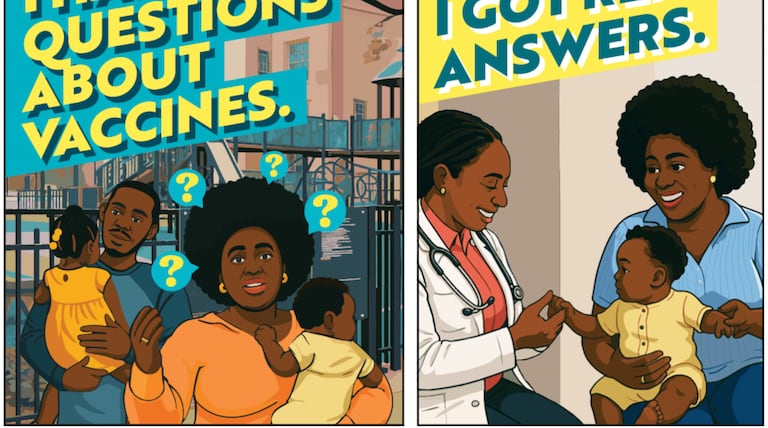
The intentions are good; it’s important to acknowledge that people have questions about vaccines. But if you dig deeper, the campaign falls short in a couple of important areas, including the $1M price tag.

Subacute sclerosing panencephalitis, or SSPE, typically takes years to rear its head. 'We don’t have a way of knowing who’s going to get it, and we don’t have a way of very effectively treating it,' one expert said.

Healthbeat revealed last month that the South Carolina Department of Public Health was hamstrung over the winter holiday break in its efforts to quickly warn and quarantine students and staff who had been exposed.

The panel has come under fire from major professional medical associations that say the committee has made changes to vaccine recommendations that lack scientific merit.
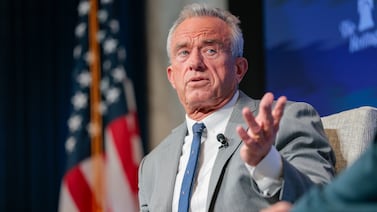
Despite the increasing prominence of the anti-vaccine movement on social media and in politics, polls conducted in the past few months show that the American public still thinks highly of immunization efforts.
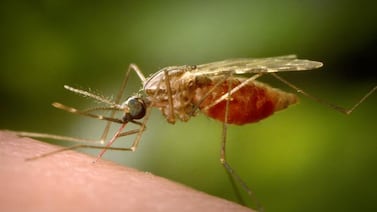
The spread of mosquito-borne diseases across southern and central Europe (and North America, too) seems inevitable.
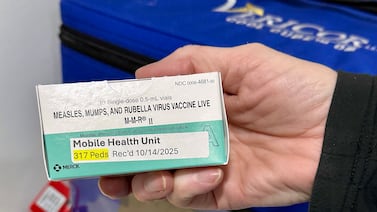
Long hours from front-line epidemiologists and a recent increase in vaccinations is credited for declining measles cases. But state official warns: 'It’s not nearly over yet.' And spring break is on the way.

CDC Advisory Committee on Immunization Practices was supposed to meet this week. Medical groups fear upcoming vote could limit vaccines for poor kids.

Rules requiring advance notice of ACIP meeting agendas enable public input on vaccine policy decisions that impact people’s lives, experts say.
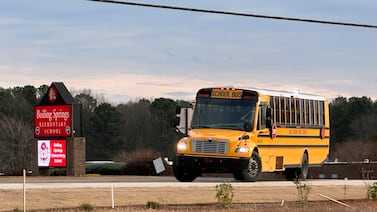
With schools closed for winter break, health officials couldn’t get critical information to identify and warn those exposed to measles of need to quarantine.