
Research & Development
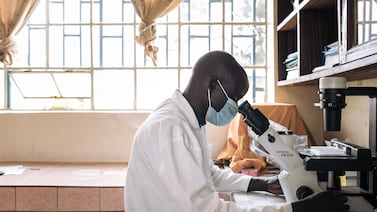
Moxidectin has proven effective for river blindness and elephantiasis. But there’s little financial incentive for pharmaceutical companies to invest in a drug whose target market is the very poorest people in the world.
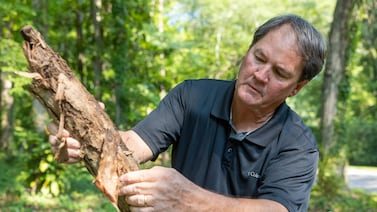
The brownish ants are tiny and stealthy, often found in logs and under rocks. They are less aggressive than fire ants, but pain from their sting can come back many hours later and cause serious allergic reactions in some.
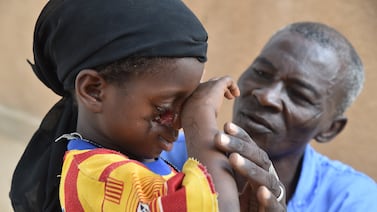
Noma ‘is the quintessential neglected disease,’ striking mostly children under 6 in several African countries. There has been very little research on it.
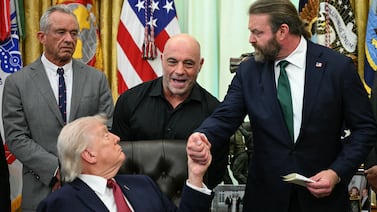
While the early data are impressive, making psychedelic therapy available at scale requires the government to ensure safety and efficacy the way we do for other medications.
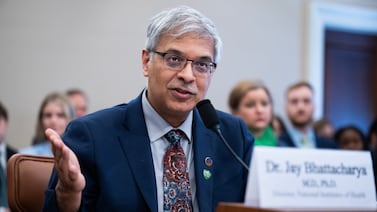
Who controls what counts as evidence, and what happens when that control is abused?
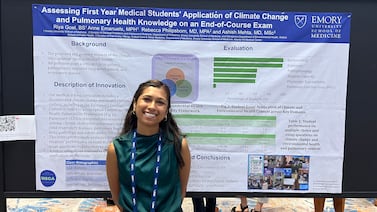
The new tool offered by the CDC explains how widely used medications — from antidepressants to diuretics — can impair the body’s ability to handle extreme heat.
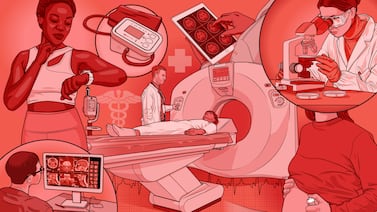
Even as we discover more effective treatments, we fail to deliver them to those most in need. What if AI could help change that?
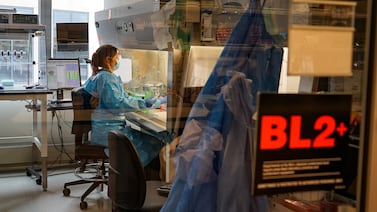
This week, the CDC began to publish long-awaited data that will reveal the extent of measles’ comeback. While applauding the science, researchers say the Trump administration has done little to contain the virus. 'That we’re even talking about this is nuts,' one said.
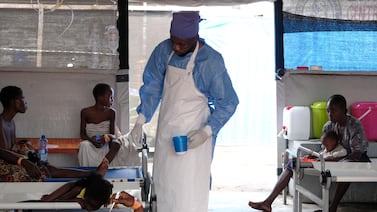
The United States has signed 19 one-on-one health agreements directly with African governments since dismantling the U.S. Agency for International Development last year.

As AI systems grow more capable, many experts are wondering whether the risks outweigh the benefits. Some of those risks are distant, but catastrophic. Others are happening right now at a smaller scale.
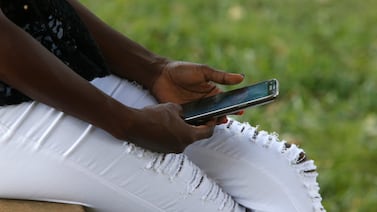
In places like Nigeria, with few psychiatrists, AI could help fill a need. But one researcher says it’s not a replacement for human care and the AI incentive structure is meant to keep you engaged.
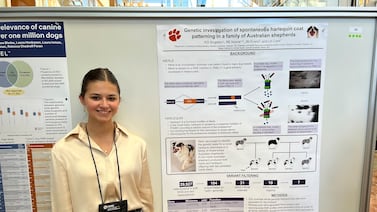
Days after my 18th birthday, I had a seizure in a lecture hall of 300 people. My introduction to Clemson University and collegiate life involved an ER trip and a big unanswered question: What caused the seizure?

HIV physician John Weiser talks about why complying with President Donald Trump’s orders to erase transgender people is bad for science and society. And he notes that acquiescing didn’t spare the CDC from further harm.
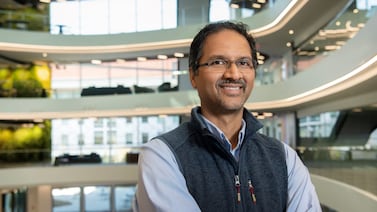
Professor Anant Madabhushi’s work covers AI options for detecting and treating a dizzying range of diseases, from cancer to HIV to cardiovascular disease, in countries from China to Tanzania to Brazil.
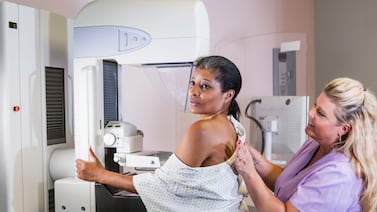
Even when screenings are free, transportation, work schedules, fear, and other barriers can keep women from getting tested. A Morehouse team wants to change that.
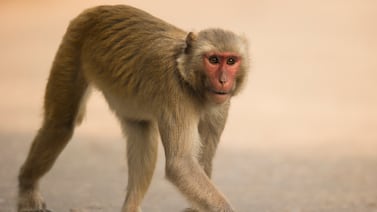
The Tulane National Biomedical Research Center drew national attention in 2015 when a deadly foreign-strain of bacteria escaped one of the center’s high-containment laboratories.

The longer and more continuously we can monitor patterns, whether in a person’s physiology or a community’s wastewater, the better able we are able to assess health, even if each individual measurement is imperfect.
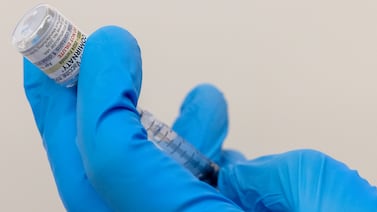
Research on mRNA vaccine technology led to rapid Covid shots and a Nobel Prize. Now HHS is ending support for that research, including a project at Emory University.

Artificial intelligence can help with tasks like managing immunization programs to prevent waste and shortages and can help interpret mammograms and other tests, freeing up public health workers to focus on activities that require human interaction.
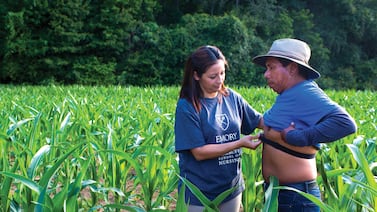
People who do intense physical labor in high temperatures and become dehydrated are at risk of kidney damage. A new chest patch alerts wearers to take a break and rehydrate.