

The Trump administration has told the global vaccine group Gavi to phase out shots containing thimerosal as a condition of funding. The preservative is at the center of conspiracy theories, but any link to autism has been debunked.
A global health expert said that with this move, the United States has 'made itself much more vulnerable to disaster and devastation when the next epidemic or pandemic hits.'
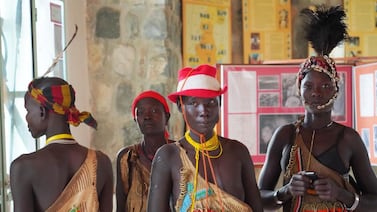
From effective outbreak control to promising new research, a few developments that suggest key parts of the global health system are still functioning well, even under strain.
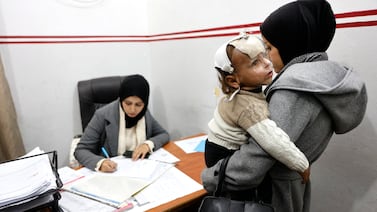
Merging organizations that have overlapping mandates could do more than cut costs. 'One institution with a broader mandate could improve efficiency and be better at building health systems,' one expert said.
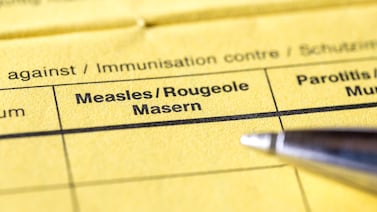
Other gaps in protection against the highly contagious disease include access to hard-to-reach clinics and ‘social determinants of vaccination.’
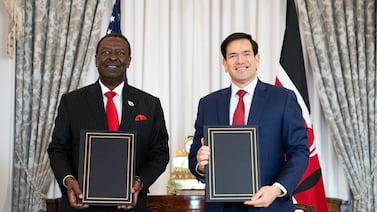
Marco Rubio praises the ‘America First’ agreement as a new approach. How old challenges play out remains to be seen.
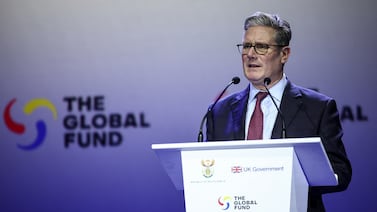
With large donor countries – especially the U.S. – pulling back, a global development think tank has a new idea for funding programs that fight AIDS, tuberculosis, and malaria.
The heart of the guidance is not a list of shiny new, expensive programs. Instead, it is a dramatically unsexy push to make health systems more flexible and more anticipatory.
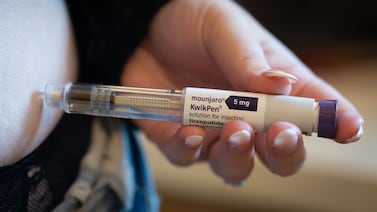
Eli Lilly is building a new plant in the Netherlands to produce a pill form of its popular Mounjaro injection. About two-thirds of the world’s 1 billion obese adults live outside the developed world. Will they be able to get the medicine?
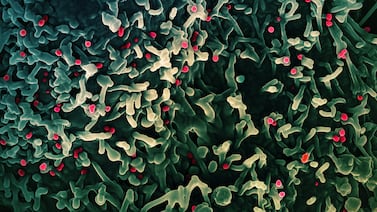
Cases are on the rise, with a new, faster-spreading strain turning up in several countries – and California. Here’s the long-term outlook.