

Also in New York public health news: the importance of closing doors for fire safety, and what to know about peptides being sold at medspas.
One of the clearest warning signs is measles, mumps, rubella coverage, which has dropped. New York state has confirmed eight measles cases this year.
Over the past few decades, allergy seasons in New York have gotten worse, partly due to climate change and warming temperatures.
There are important differences in who gets diagnosed, what type of breast cancers are prevalent, and access to treatment.
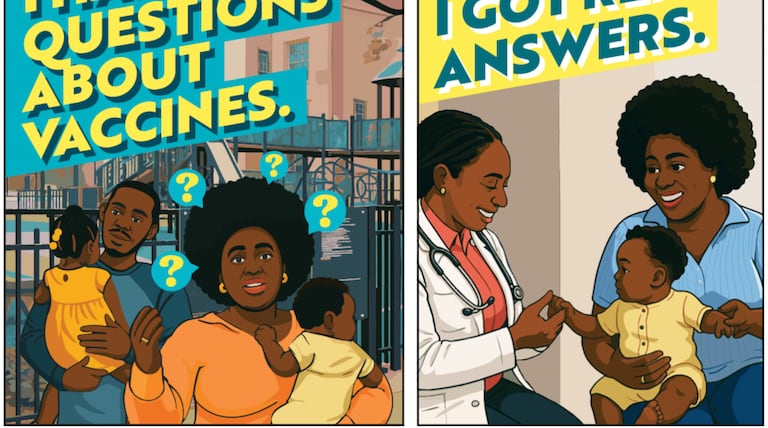
The intentions are good; it’s important to acknowledge that people have questions about vaccines. But if you dig deeper, the campaign falls short in a couple of important areas, including the $1M price tag.
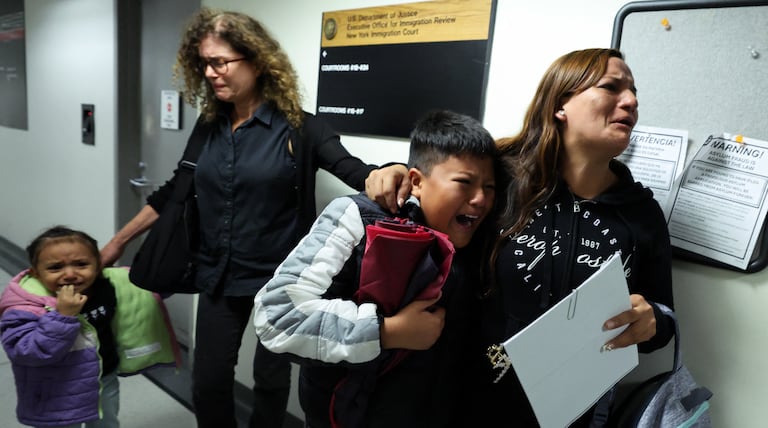
Reports of ICE raids and deportations don’t just affect the individuals directly targeted. They ripple outward, with real consequences for community health and well-being.
Also in New York health news: Two cases of Legionnaires' disease in Harlem, code temps forecast, and the ripple effects of ICE in communities.
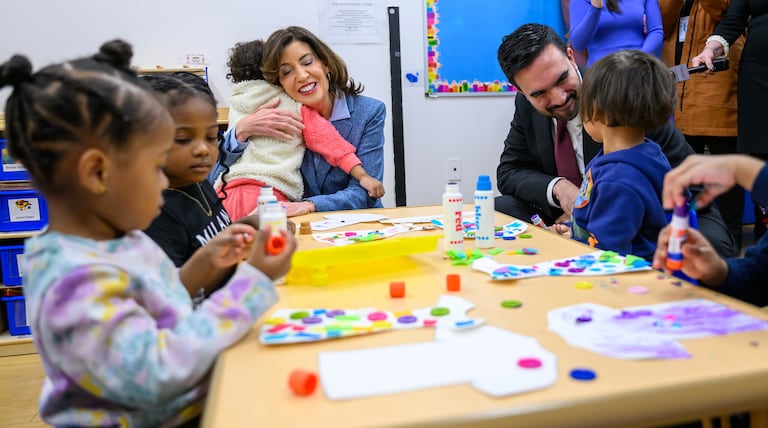
High-quality early care and education programs are associated with positive developmental outcomes for children, improved maternal mental health, and increased maternal employment.
The past year has been chaotic for public health, but here's a roundup of some noteworthy accomplishments.
As we head into the holidays and many of us travel to be with loved ones, there’s some health news to keep in mind.