Public health, explained: Sign up to receive Healthbeat’s free national newsletter here.
While reporting a recent story on the surge in older adults seeking measles immunity tests, I kept coming across something I hadn’t expected. Colleges and universities were encouraging faculty and staff to gather proof of their immunity to measles before an exposure ever occurred on campus.
The more universities I spoke with, I realized there was another story unfolding. It wasn’t just that individuals were taking a personal interest in knowing their immunity. Some educational institutions also were preparing for the growing threat of measles, including looking for ways to prevent the disruption a single case could bring.
Here’s what I learned.
The lead signal
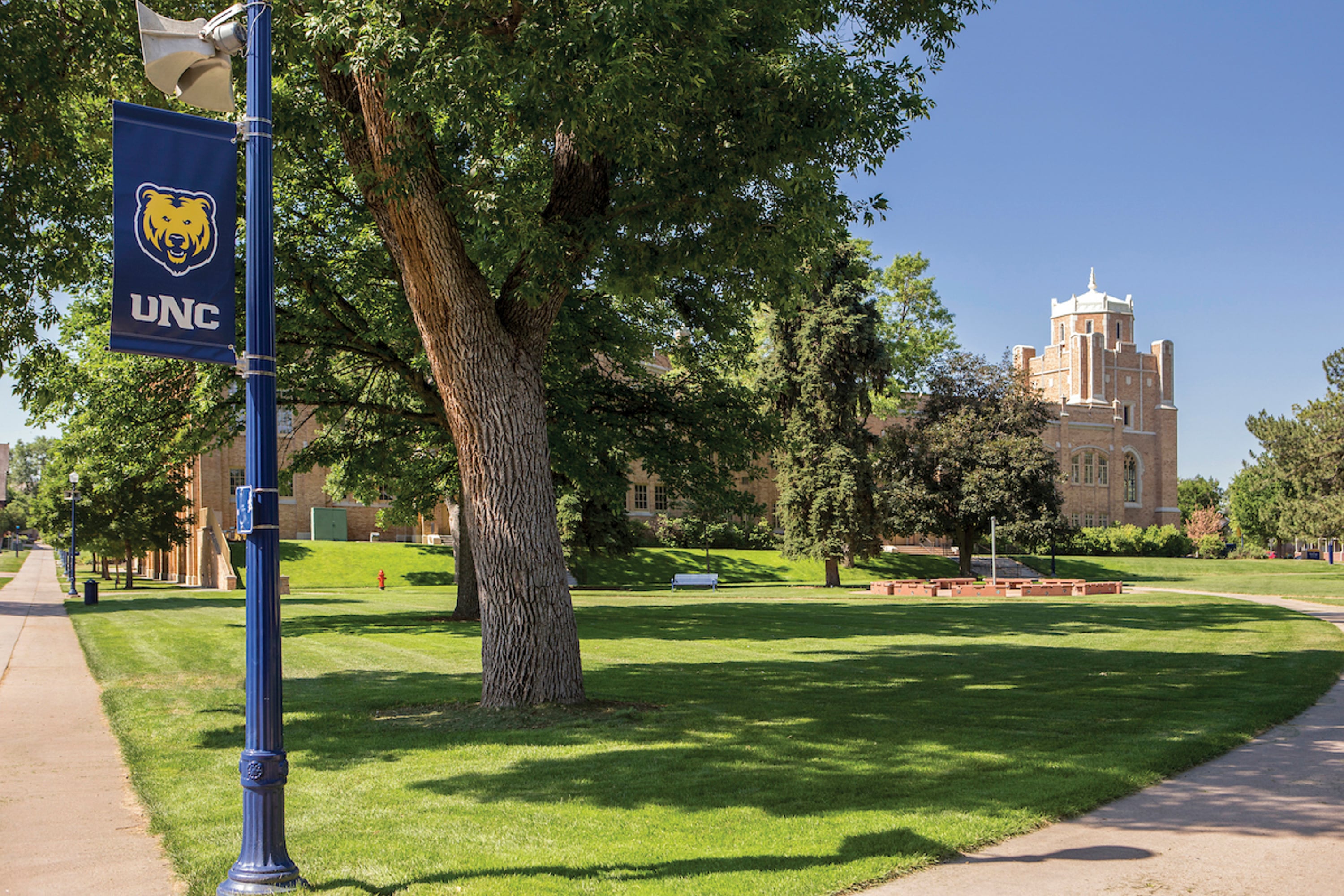
When a measles outbreak hit a suburban Denver school district earlier this year, it sent 80 exposed students and employees into home quarantine for weeks. It also spurred officials at the University of Northern Colorado to start preparing for the disease to arrive on their campus.
“This is going to be a problem that more and more educational entities are dealing with, both K-12 and higher ed, so we’re trying to be proactive about it,” Blaine Nickeson, the university’s associate vice president for administration, told Healthbeat.
The university has begun alerting students, faculty, and staff about the importance of having documentation of measles vaccination or immunity.
The push is not only to protect against the disease, but to help individuals avoid the significant disruptions that could result from just a single case of measles on campus — even for those who aren’t known to be infected.
“If even a single measles case is confirmed at UNC, state and county public health officials will collaborate with the university to orchestrate a significant public health response. This may include exclusion from campus for 21 days or more … Having a vaccine exemption on file will not prevent exclusion,” the university’s new measles awareness web page warns.
Students and their parents might not fully realize how a decision not to get vaccinated against measles could result in their exclusion from campus — including campus housing — during an extended quarantine period, Nickeson said.
Faculty and staff might not have thought about their measles immunization status in many years, but would face missing work if they are exposed to measles and lacked proof of vaccination or immunity, he said.
Unlike students, faculty and staff at colleges and universities generally don’t have campus vaccination requirements unless they work in certain hospital or health sciences settings.
The university highlights that measles shots and titer tests to check for immunity are available at the campus health center. The vaccine is typically covered by insurance, and the out-of-pocket cost of the titer test at the center is about $20 if insurance won’t cover it.
Where else we’re seeing this
University of Colorado Boulder: The university’s measles web page says: “To prevent unnecessary absences, faculty and staff are encouraged to have their immunization records or other evidence of immunity readily available for review if requested.” Faculty and staff can receive walk-up measles immunity testing on the Boulder campus for an out-of-pocket cost of $5.
University of Tennessee Chattanooga: The school’s measles preparedness efforts and recommendations for having proof of immunity were spurred in part by watching South Carolina’s Clemson University deal with measles earlier this year, said Jordan Jacobs, a UTC infectious disease nurse practitioner.
“For the majority of our faculty and staff, it is a new concept,” Jordan said. Their main question: How do they find their old immunization records? If their shots aren’t in state immunization registries, Jordan advises checking with past healthcare providers and schools. “Some staff do ask about titers and vaccinations,” she said.
University of Massachusetts Amherst: “Knowing and documenting your immunity status is critical as it determines whether you may continue working in the event of a confirmed exposure,” says the university’s measles web page, which was launched last year in response to the West Texas measles outbreak and continues to be updated. Dr. Khama Ennis, associate medical director for university health services, said there has been little feedback from faculty and staff, but the campus plans to do additional outreach this fall.
The national playbook
On the national level, the Centers for Disease Control and Prevention has created a checklist for higher education institutions to help prepare to respond to measles cases on campus.
The checklist notes the importance of maintaining records in accordance with legal requirements for privacy and confidentiality. Some university officials told Healthbeat that navigating privacy issues and the continued fallout from COVID vaccine mandates are among the reasons they are only advising faculty and staff to have their measles immunity documentation readily available, but not asking them to turn it in.
Some state health departments also are providing guidance: Among the proactive steps recommended by the North Carolina Department of Health and Human Services, colleges and universities should create a list of students who do not have appropriate documentation of immunity and recommend that faculty and staff have their evidence of immunity readily available.
“Obviously quarantining can have a significant impact,” said Dr. Emma Doran, medical director of the department’s Vaccine Preventable and Respiratory Diseases Medical Consultation Unit.
“Health systems and local health departments and the state health department have been preparing for this for a while, but I think we’re getting a little bit more traction in terms of preparing school systems and universities to think about it.”
How we got here
Historically, school vaccination laws and requirements were created as conditions of student enrollment as a way to combat childhood diseases — not usually as conditions for employment. So faculty and staff pose different challenges.
Many older faculty and staff don’t have easy access to records from shots given decades ago, before the creation of electronic medical records and state immunization registries. Unless they work in healthcare or laboratory settings, universities don’t generally require or track employee immunizations.
And in fact, the American College Health Association’s vaccination recommendations are specific to students and do not provide guidance related to faculty and staff.
JoLynn Montgomery, chair of the ACHA’s vaccine-preventable diseases committee, said the focus is on students because of their unique risk factors. “Many are navigating the healthcare system on their own for the first time,” she said.
But with measles cases at high levels, Montgomery said that generally it’s a good idea for all individuals, including faculty and staff, to be ready.
“Personally, I don’t have documentation for my doses, and I just went and got revaccinated,” said Montgomery, who is the senior manager for applied public health at the University of Michigan. She said her husband decided to get a measles titer test to check his immunity.
Why it matters
A single measles infection on campus can impact far more people than just the person who becomes sick.
As the infected person moves about campus, hundreds more can be exposed — and required to quarantine for up to 21 days — if they don’t have proof of vaccination or immunity.
“It’s not only disruptive to the patient, to the person who’s quarantined, but it’s disruptive to the school, the university. It’s very disruptive to have people out of work,” said Dr. Alan Melnick, the public health director in Clark County, Washington, and a board member of the National Association of County and City Health Officials.
The virus is highly contagious and spreads through the air. It can linger in a room for up to two hours. People can spread the disease in lecture halls, cafeterias, and communal housing beginning four days before the telltale measles rash appears.
What to watch
With U.S. measles cases so far this year already surpassing last year’s record number — the worst since 1991 — we’re watching whether:
- More colleges and universities take measles preparedness actions.
- Faculty and staff become a larger focus of campus communications, and how they respond.
- More health departments and public health organizations issue guidance about having readily available documentation of measles immunity to avoid quarantine.
The bottom line
By urging faculty, staff, and students to gather proof of measles immunity before an exposure occurs, some colleges and universities hope to reduce weeks of disruption if measles reaches their campuses. It’s another example of how the return of measles across the United States is changing how we live.
Alison Young is Healthbeat’s senior national reporter. You can reach her at ayoung@healthbeat.org or through the messaging app Signal at alisonyoungreports.48