
Global Public Health
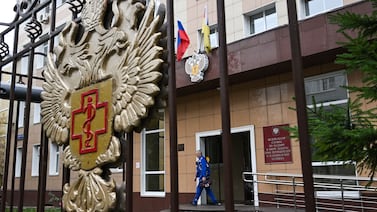
Russian authorities say testing found no pathogens associated with the researcher’s work. The country has a history of biological weapons programs and secretive lab accidents.

WTC Health Program will launch a group in 2027 to study people who were 21 and under on 9/11.

Public health experts say secrecy around federal quarantine decisions can undermine trust in the government.

The CDC can only order quarantines for specific diseases put on a list by presidential executive order. A public health law expert told Healthbeat that federal officials’ novel approach — arguing that hantavirus is a type of severe acute respiratory syndrome — risks a legal challenge.

It has all the ingredients of a thriller movie and brings back memories of the beginnings of Covid. But the risk to the global population is low.
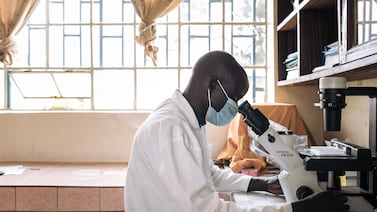
Moxidectin has proven effective for river blindness and elephantiasis. But there’s little financial incentive for pharmaceutical companies to invest in a drug whose target market is the very poorest people in the world.
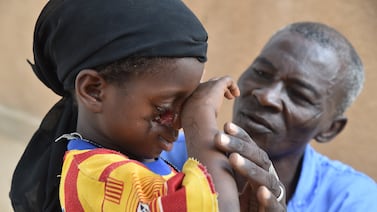
Noma ‘is the quintessential neglected disease,’ striking mostly children under 6 in several African countries. There has been very little research on it.
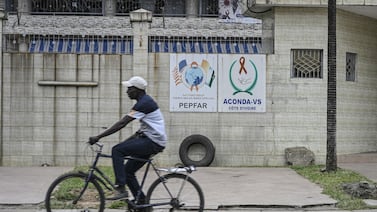
Funding for the U.S. aid program has dropped about 30%. As one expert put it, ‘We're building up problems for the future.’
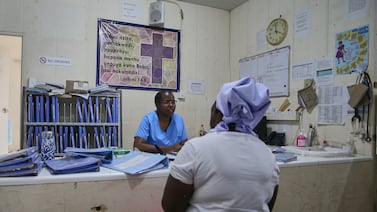
The result is fragmentation, which can slow the response to outbreaks. The good news is that many countries are making progress to create national health agencies.
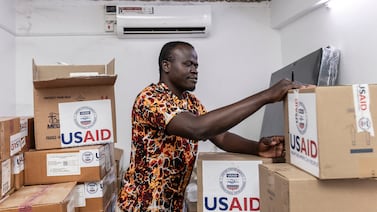
Some countries have backup systems to keep medicines flowing. Others do not.

Under the Geneva Conventions, deliberately attacking civilian water systems (which is being actively threatened by American and Iranian leaders) can constitute a war crime.

Persian Gulf countries are crucial transit hubs for pharmaceuticals, and drugs that need to be kept cold and have a short shelf life – including some cancer therapies – are vulnerable to shipping delays.
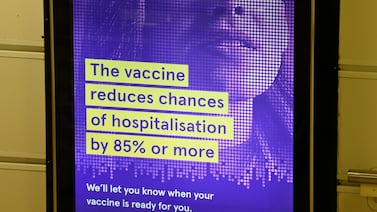
The battle for attention of the masses has moved from press conferences and government PSAs to TikTok, YouTube, and other platforms. Public health agencies need to step up their 'creator' game.

Subacute sclerosing panencephalitis, or SSPE, typically takes years to rear its head. 'We don’t have a way of knowing who’s going to get it, and we don’t have a way of very effectively treating it,' one expert said.

Scientists don’t yet fully understand how GLP-1 drugs affect the brain’s reward pathways, but there are promising signals about how they control cravings.
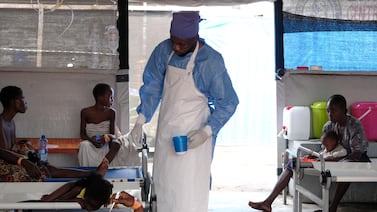
The United States has signed 19 one-on-one health agreements directly with African governments since dismantling the U.S. Agency for International Development last year.
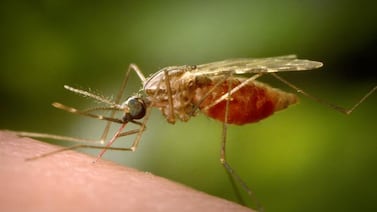
The spread of mosquito-borne diseases across southern and central Europe (and North America, too) seems inevitable.
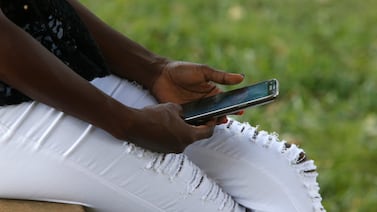
In places like Nigeria, with few psychiatrists, AI could help fill a need. But one researcher says it’s not a replacement for human care and the AI incentive structure is meant to keep you engaged.

Public health leaders see this year’s World Cup as the world’s largest temporary migration into the United States’ most densely populated urban corridor. They are planning accordingly.
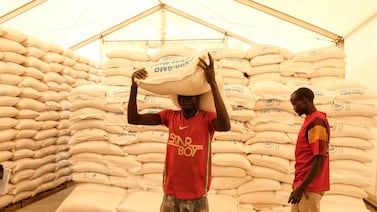
The toll could climb even higher if funding continues to drop. Here’s how some philanthropies see their role in this moment.