Public health, explained: Sign up to receive Healthbeat’s free New York City newsletter here.
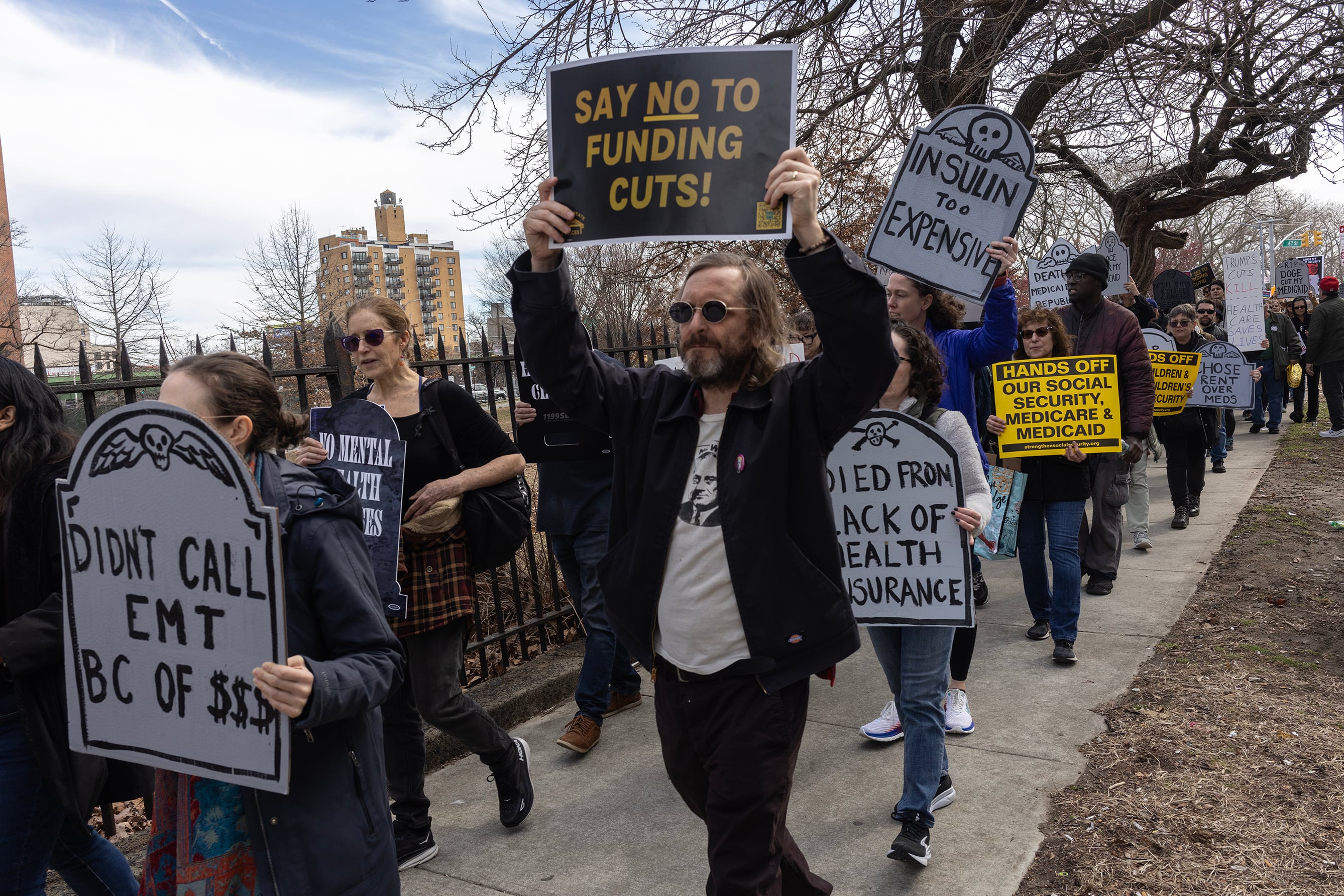
After the Trump administration said it will allow states to delay enforcement of a new work requirement for Medicaid eligibility, New York City health officials say they see a window of opportunity to work out implementation kinks.
The work requirements are set to take effect on Jan. 1, 2027, but a reprieve would extend the enforcement to June 30, 2027. City officials plan to use the extension to improve communication to Medicaid applicants and enrollees.
“What this gives us is time — time for us to do tryouts,” said Gabriela Mayorga, a senior advisor working on healthcare in Mayor Zohran Mamdani’s office.
Mayorga made the remarks Tuesday on a call organized by the United Way of New York City to discuss upcoming changes to Medicaid under H.R.1, President Donald Trump’s sweeping budget package passed last year. The Medicaid overhaul aims to curb waste, fraud, and abuse, federal officials have said.
Under the new guidance, states must still ask applicants and enrollees whether they meet the requirement of working at least 80 hours a month, but they can opt not to deny or terminate coverage for people who don’t meet it.
Healthcare advocates worry that enrollees will slip through the cracks and lose their coverage because of the additional paperwork and reporting requirements. Other healthcare workers recognize that they need to improve their communication and computer systems to make it easier for enrollees to complete applications.
City health officials say as many 900,000 residents across the five boroughs are at risk of losing their Medicaid coverage because of the work requirements. The New York State Department of Health says the city has 3.5 million Medicaid enrollees, which is slightly more than half of the state’s total number of enrollees. If they lose coverage, many of those people are likely to go without insurance, straining resources at hospitals and other healthcare centers.
The U.S. Centers for Medicare & Medicaid announced last week that it was offering all states an optional “hold harmless” period through June 30, 2027. Until then, states that elect the option “may suspend denials of eligibility and disenrollments when applicable individuals do not demonstrate compliance with community engagement,” Daniel Brillman, deputy administrator and director of Centers for Medicare & Medicaid, wrote in a letter to state Medicaid directors.
The extension is meant to offer states a transition period in which they can further modernize their technology and streamline the application process, Brillman wrote. He acknowledged that states raised concerns about their implementation timelines.
States are asked to notify the federal government with their decision by Dec. 11.
Sonia Sekhar, deputy director of NY State of Health, the official marketplace for health insurance under the New York State Department of Health, said on the United Way call Tuesday afternoon that the federal government’s new proposal and a separate provision concerning medical frailty for Medicaid enrollees who have a serious health condition, such as cancer or HIV, don’t change the Jan. 1, 2027 work requirements start date, though they “may impact some of the substance and the impacts on consumers as a result of those new rules.”
But she added: “Our timeline so far has not changed.”
Sekhar’s agency is reviewing the guidance, she said. “I’m hoping very soon we’ll have something to share on that.”
Health advocates hope that the sweeping Democratic victories in the midterm elections will bring changes to H.R.1 policies. Rep. and speaker nominee Hakeem Jefferies of New York said he plans to vote on reversing the work requirements within the first 100 days of the next Congress.
Trenton Daniel is a reporter covering public health in New York for Healthbeat. Contact Trenton at tdaniel@healthbeat.org or on the messaging app Signal at trentondaniel.88.