Leaders from New York City’s public hospital system anticipate a crisis of coverage as federal healthcare policies force hundreds of thousands residents to lose their Medicaid plans.
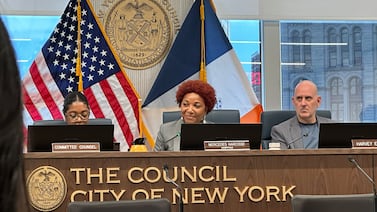
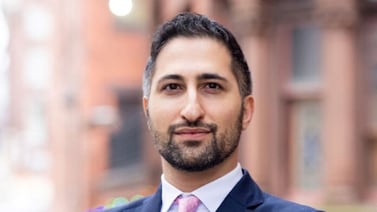
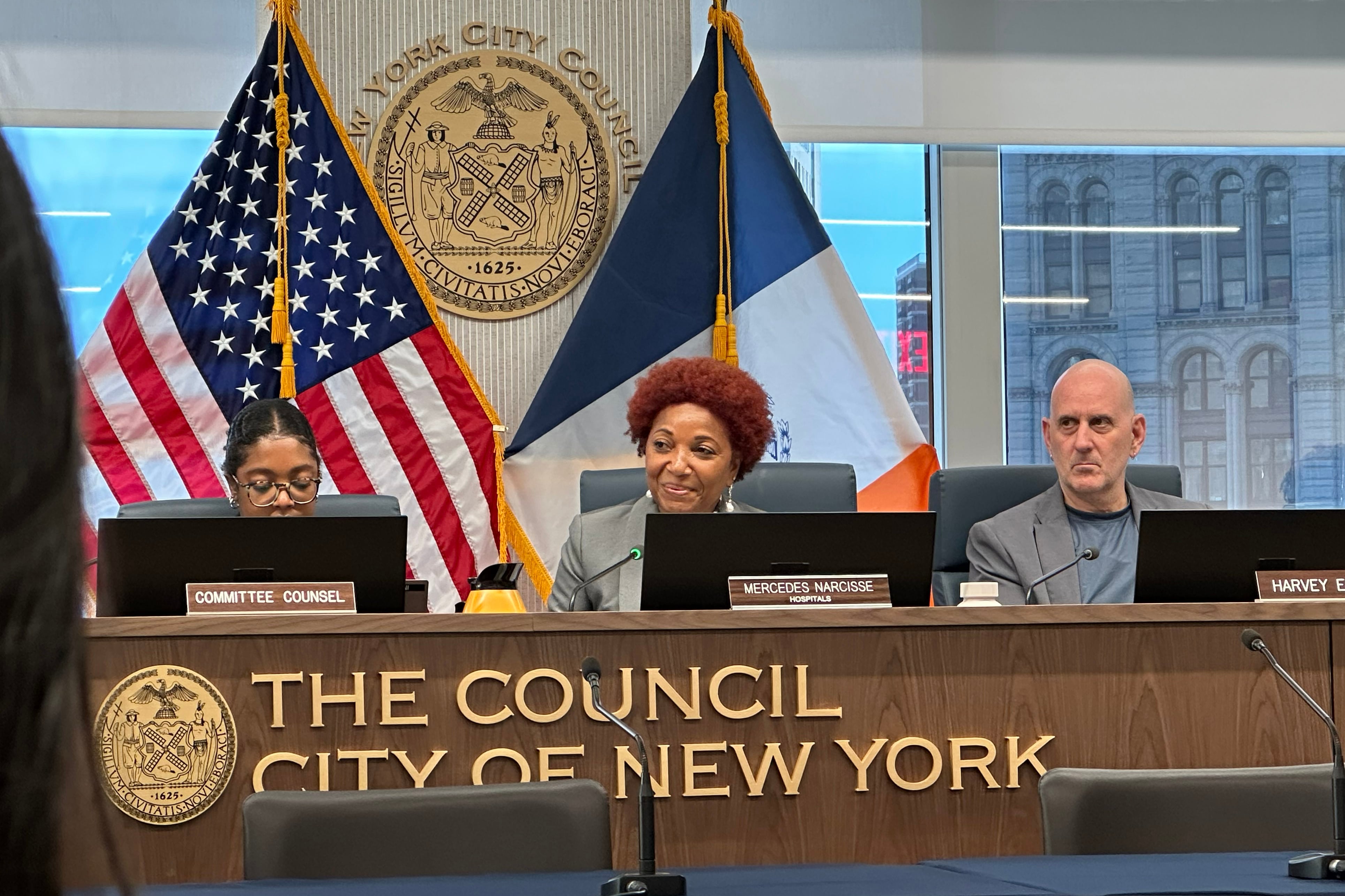
Drs. Ted Long and Jonathan Jiménez of NYC Health + Hospitals offered a preview this week at a City Council oversight hearing of the turbulence the NYC Care program could see as Medicaid work requirements take effect Jan. 1. Overseen by NYC Health + Hospitals, the nation’s largest public healthcare system, NYC Care is a healthcare program for low-income New Yorkers and will assume the role of last resort for residents who lose their Medicaid or insurance coverage.
“This will be a crisis,” Long, senior vice president and chief medical officer for clinical services and population health at Health + Hospitals, said at Wednesday’s hearing. “We’re going to move heaven and earth to do as much preparation as we can.”
NYC public hospital leaders say they are increasing staffing for NYC Care, ramping up outreach, and connecting with influencers to prepare for an influx of patients because of federal health policy changes. Health + Hospitals officials declined to say more about the influencers, including if they are being compensated.
Former Mayor Bill de Blasio launched NYC Care in the Bronx in 2019, and it later expanded to all five boroughs. It guarantees low-cost and no-cost services to New Yorkers who do not qualify or cannot afford health insurance based on federal guidelines, which includes undocumented immigrants who are excluded from Medicaid and other public programs. The aim of NYC Care is to connect uninsured New Yorkers to a primary care physician before their health worsens and they end up in the emergency department.
NYC Care members pay on a sliding scale, and there are no premiums, deductibles, or co-pays. More than 90% of enrollees receive an appointment with a primary care provider at one of the Health + Hospitals locations within two weeks of enrollment, Long said.
After primary care, speciality services include cardiology, rheumatology, orthopedics, podiatry, mental health, and substance abuse services.
NYC Care enrollment peaked at more than 143,000 in 2024, but enrollment numbers have since dropped. As of Oct. 23, enrollment stood at 125,766, Long said Wednesday.
Long and others at NYC Care attribute the overall drop to aging participants switching to Medicaid. The latest Mayor’s Management Report said Health + Hospitals had heard anecdotally that local immigrants are becoming increasingly reluctant to share their personal information with government agencies.
The city’s public hospital system has already seen disruption brought on by federal policy changes. On July 1, 450,000 New Yorkers lost coverage through the Essential Plan after the state narrowed insurance eligibility for some of its low-income members. The Essential Plan offers a low-cost insurance plan to New Yorkers who earn too much to qualify for Medicaid but may struggle to afford private plans sold through the state health insurance marketplace.
As of Aug. 30, 41% of the members who lost Essential Plan coverage on July 1 had not enrolled in another plan through the state marketplace, according to the state Health Department, potentially leaving some without insurance. A health department spokesperson said Wednesday those numbers haven’t changed.
On Wednesday, Queens Council Member Selvena Brooks-Powers asked if NYC Care had seen an increase in the number of enrollees because of the elimination of the Essential Plan tier that covered New Yorkers making up to 250% of the federal poverty line.
“Thousands of them — on the level of thousands went into NYC Care,” Long said. “This gave us a lot of clues about what doing a good job is and how we can, you know, get ready for the Medicaid transition.”
Officials declined to provide a specific number.
Long said the program could take in as many as 20,000 new patients. Its annual budget is $100 million.
To learn more about the program, New Yorkers are urged to call 1-800-NYC-Care.
Trenton Daniel is a reporter covering public health in New York for Healthbeat. Contact Trenton at tdaniel@healthbeat.org oron the messaging app Signal at trentondaniel.88.