
Health Workers
The latest news on community health workers from Healthbeat.

There are likely more people who aren't in quarantine but should be, unaware they’ve been exposed during the normal course of their lives: Going to work, school, and church, shopping for groceries, dining out.
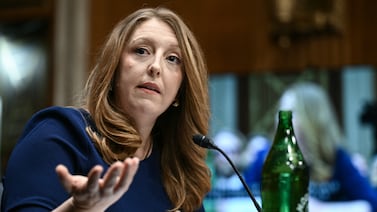
Healthbeat examined the backgrounds of the 10 surgeons general confirmed since 1976. Here's a look at their education and experience.
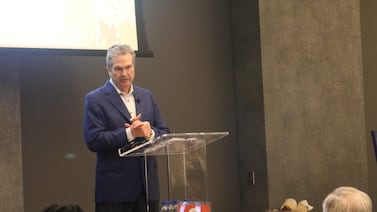
Rick Jackson points to his company’s pandemic response - providing health workers during the emergency - as proof of leadership. Experts say his state contracts could pose ethical challenges if he wins.
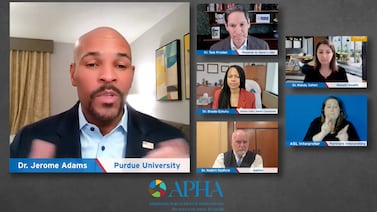
Former CDC Directors Tom Frieden, Robert Redfield and Mandy Cohen, and former Surgeon General Jerome Adams discuss how to address public health amid partisan rancor.
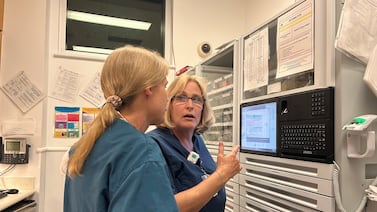
As the U.S. enacts increasingly authoritarian policies and decimates funding for public health, insurance, and medical research, many nurses have felt the draw of Canada’s progressive politics, friendly reputation, and universal health care.

We're hosting a free community breakfast and conversation to hear directly from the people serving the community in these tumultuous times for public health. We'd love to see you there.

Why do some hospitals have far better maternal outcomes than others – even serving similar patients? It comes down to leadership, accountability, and implementation, says Stanford's Dr. Elliott Main.
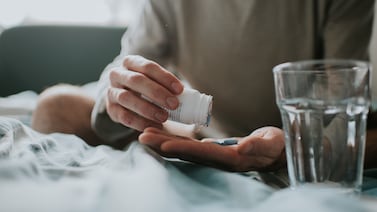
Supporters of the bill say it could expand access to PrEP and PEP, reducing racial disparities, and curb new cases.
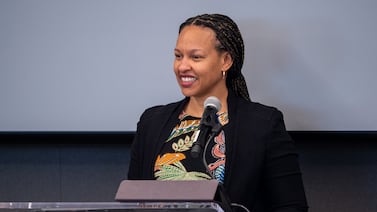
In an interview with Healthbeat, Morse reflects on this challenging moment in public health as Dr. Alister Martin, an emergency room physician in Boston, prepares to take the helm of the health department.
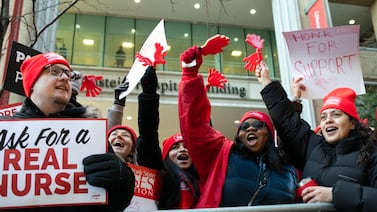
‘No nurse should have to take on 20 patients in the emergency room by themselves,’ one nurse said, as staffing remains at the heart of the strikers’ demands.
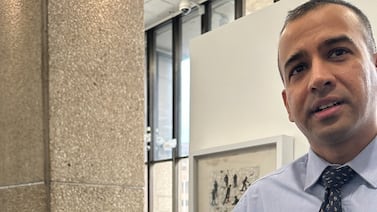
Public health leaders see this year’s World Cup as the world’s largest temporary migration into the United States’ most densely populated urban corridor. They are planning accordingly.
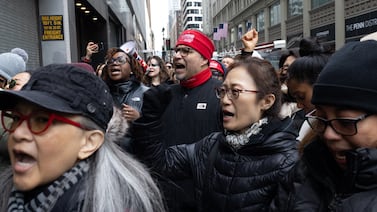
The development unfolded hours after more than 50 nurses delivered a petition to the union headquarters demanding an investigation into top union leadership over claims that leaders are forcing a vote on a tentative deal that rank-and-file representatives rejected.
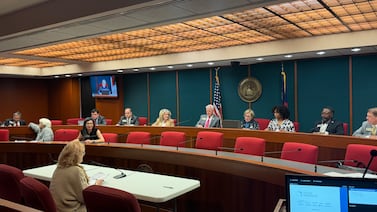
A legislative committee has proposed five recommendations aimed at reconfiguring the state's public health structure. Increasing state funding isn't one of them.
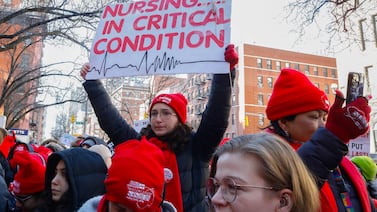
The tentative deal with the last of the three hospital systems where nurses have been on strike since Jan. 12 will likely put an end to the work stoppage that involved 15,000 people.

Also in Healthbeat's new weekly report: Beware of those ads for 'early detection' blood tests and a look at two public health legacies.
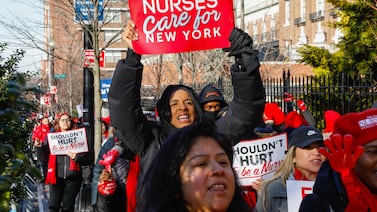
The strike, which began on Jan. 12, is the longest and largest of its kind in New York City history.
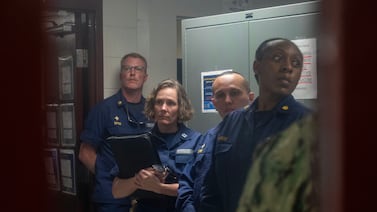
PHS doctors and nurses are being deployed to Guantánamo and other detention centers as Donald Trump escalates mass immigration arrests. Some have resigned in protest. Others offer a rare look into bleak conditions.
The proposal would make it easier for internationally trained physicians to practice in Georgia as hospitals and clinics face growing workforce gaps.
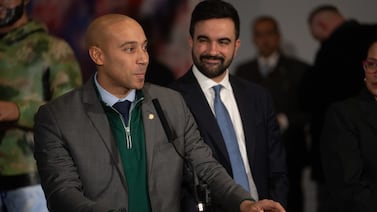
Dr. Alister Martin is an untraditional pick to lead the 7,000-employee health department, with a background more in medicine and advocacy than public health.
The scope of public health can make it seem as though individuals have little effect. Then a moment will remind me what underpins all of it are the individuals themselves – their stories, and everything that led to whatever moment we are in.