Public health, explained: Sign up to receive Healthbeat’s free Atlanta newsletter here.
A new way to communicate about maternal mortality – through actors and poetry – is coming to Atlanta.
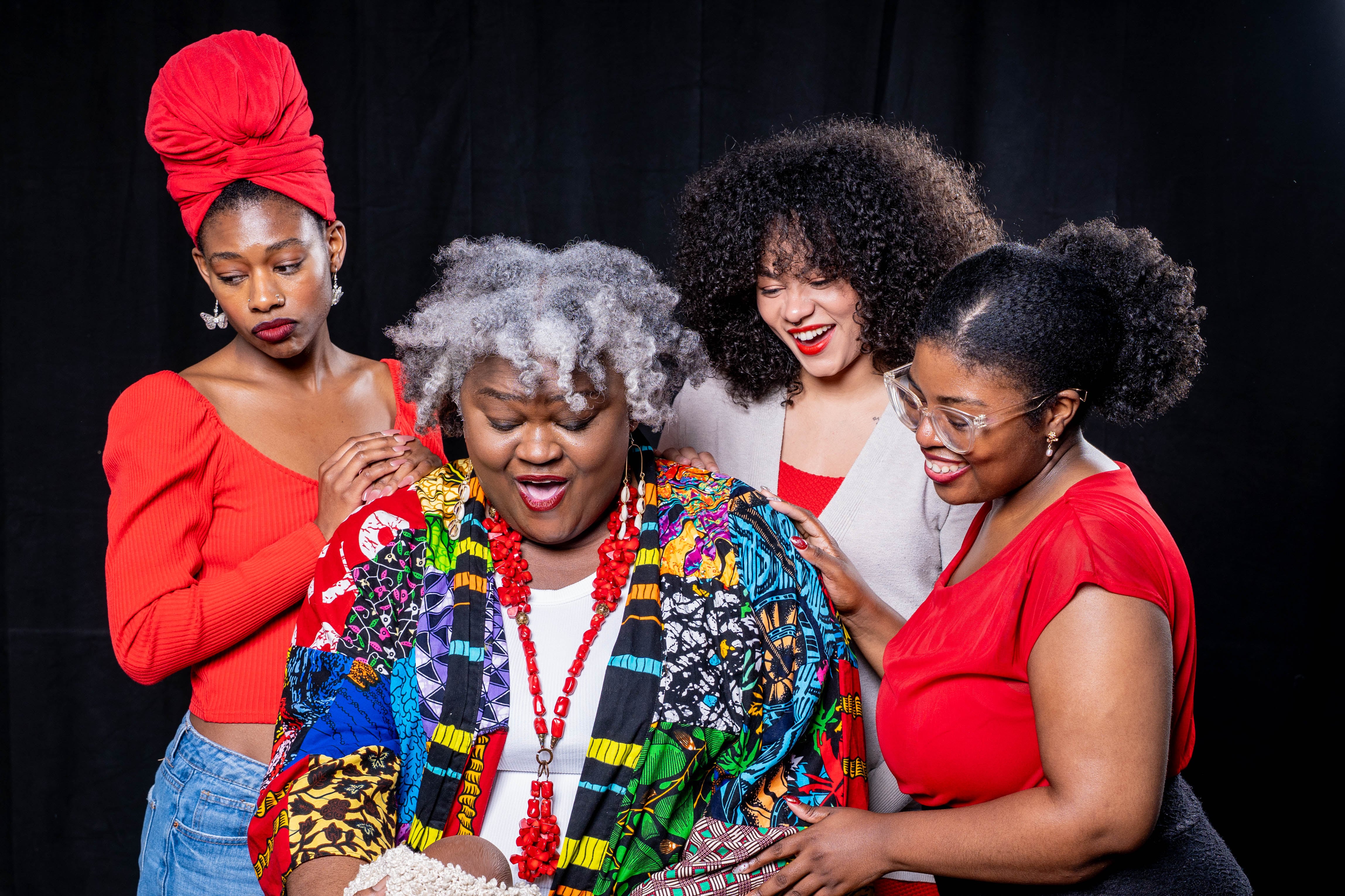
“Mama Stories” will be performed April 12 at Spelman College. The collaboration between maternal health researcher Natalie Hernandez-Green and Nashville artist Cynthia Harris aims to find new ways to talk about public health, especially among those who are most affected.
The performance presents the stories of women of color who nearly died in childbirth. The academic-theater collaboration began when Hernandez-Green and her team at Morehouse School of Medicine’s Center for Maternal Health Equity interviewed 87 women, mostly Black and many from Georgia, to better understand their experiences. The goal was to put women’s voices at the center of what Hernandez-Green sees as often “sensationalized” public discussion of maternal mortality.
Georgia, like many other Southern states, has high rates of maternal mortality and morbidity, and it’s even higher for Black mothers than the general population. The mortality rate for women in Georgia is 30 per 100,000 live births but that increases to 55 for Black women, according to America’s Health Rankings.
Black and Hispanic women also have higher rates of severe maternal morbidity (like cardiac conditions and eclampsia) than white women and are less likely to get adequate prenatal care than white women in Georgia.
The study found that women didn’t feel heard by their health care providers and were often unaware of or confused by what was happening to them in the midst of a medical crisis, Hernandez-Green and researcher Kaitlyn Hernandez-Spalding said.

Relatively high levels of education or income didn’t prevent women of color from having those experiences. Their trauma resulted in short- and long-term effects, with some reporting panic attacks or not wanting to have more children.
Hernandez-Green wanted to make sure that these women’s stories would reach beyond the often inaccessible pages of academic journals – so she reached out to Harris, a playwright and public health researcher at Meharry Medical College in Nashville. Harris wrote a “choreopoem” about these women’s experiences, using their firsthand accounts. The goal was to educate and heal through an emotional and personal medium, rather than dry public health data.
“Our stories are medicine that we can see and understand,” Harris said.
Harris watched each interview, which ranged from an hour to two in length, to better understand the women’s perspectives. Her “verbatim theater process” preserved the women’s stories, including their gestures, expressive language, and facial expressions.
The “purpose is to be plain speaking, to tell the truth, to be as simple as possible, and to reflect not just words but to capture experience, tone, and meaning,” Harris said.
Each performance is followed by a salon where audience members, no matter their background, can reflect and share in a safe space, Harris said.
“Mama Stories” has been performed in Nashville. Harris and Hernandez-Green said women of color who have experienced the stress and trauma of birth – or those close to them – are one audience they want to attend at Spelman.
Each woman who provided an interview for Hernandez-Green’s initial study has been invited to attend the Atlanta performance. The team wants people from the community to attend as well.
“We want them to be more knowledgeable so they can better support mothers of color during pregnancy, delivery, and the postpartum period,” Harris said. “A more educated community is always going to be beneficial for a mom.”

There are many other audiences, as well. That includes those training in medicine and as nurse-midwives, Hernandez-Green said. The team is starting a pilot project to use that training with medical students at Morehouse School of Medicine. That training is also being used by Blue Cross Blue Shield of Illinois
Asked whether the play might be depressing or traumatic for those who have experienced similar birth challenges, Harris said she makes sure to “double down on hope,” weaving bright spots into the story and finding ways for people to connect, such as in the post-performance conversation.
Hernandez-Green agreed, saying that some of the women interviewed in the original research reported feeling relief from being able to share their difficult stories and she sees the play and associated research as healing and dignifying.
“These women survived, and they were alive to tell their stories, and through their stories, they’re helping us create interventions that will make sure that another woman doesn’t have to go through what they have to go through,” she said.
Rebecca Grapevine is a reporter covering public health in Atlanta for Healthbeat. Contact Rebecca at rgrapevine@healthbeat.org.