

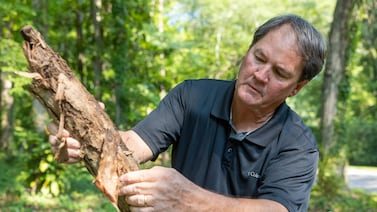
The brownish ants are tiny and stealthy, often found in logs and under rocks. They are less aggressive than fire ants, but pain from their sting can come back many hours later and cause serious allergic reactions in some.
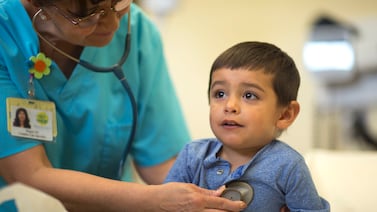
About 40% of Hispanic adults lack insurance in the state, contributing to limited access to care and a 48th-place national ranking.
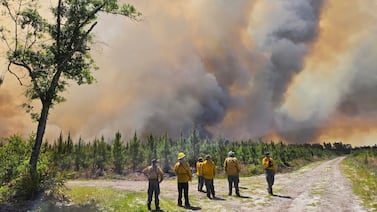
Atlanta, and many areas of the state, have had moderately concerning or worse air quality since Tuesday.

The board hasn’t met since September, raising questions over transparency and oversight. The state says the board serves 'in an advisory capacity.'
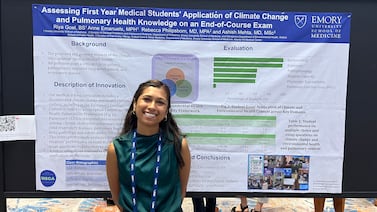
The new tool offered by the CDC explains how widely used medications — from antidepressants to diuretics — can impair the body’s ability to handle extreme heat.

Lawmakers expanded access to HIV prevention and birth control, boosted maternal health programs, and advanced workforce reforms — but once again failed to establish certification for community health workers.

A performance transforms the real-life childbirth experiences of women of color into a choreopoem, aiming to spark dialogue, healing, and greater awareness of Georgia’s maternal health disparities.
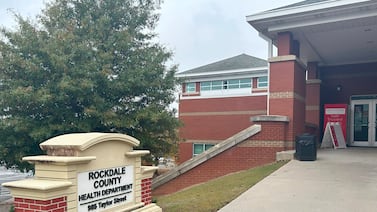
Lawmakers have found a 'wide variance' in services offered across the state, with many rural health departments offering fewer services than urban ones, and public health departments facing workforce shortages.

In a legislature dominated by lawyers and business leaders, doctors, nurses and other medical professionals bring hands-on experience to shaping policy.

By 2036, the state is projected to fall short of its projected registered nurse need, leaving 1 in 5 positions unfilled. In a decade, Georgia may only have about two-thirds of the needed doctors.