
Air Quality
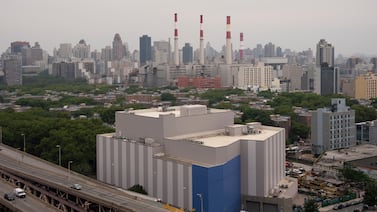
Wildfire smoke prompted NYC officials to move summer school activities indoors and reschedule field trips.
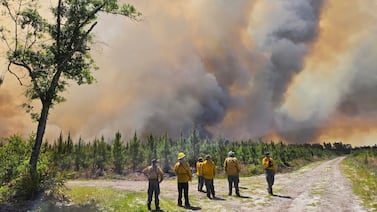
Atlanta, and many areas of the state, have had moderately concerning or worse air quality since Tuesday.
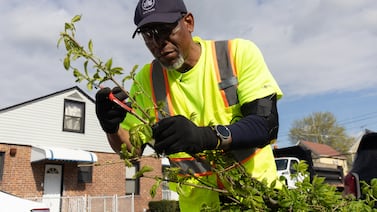
How the plan will be funded is unclear. The Mamdani administration has not earmarked money for its tree-expansion initiative.
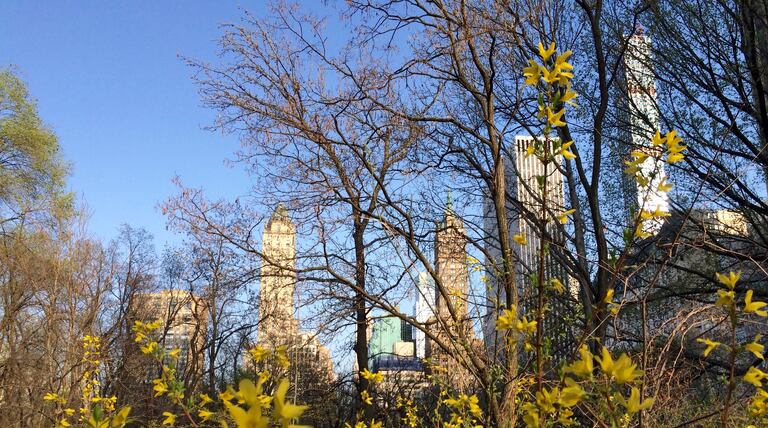
Over the past few decades, allergy seasons in New York have gotten worse, partly due to climate change and warming temperatures.
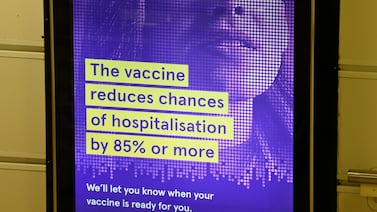
The battle for attention of the masses has moved from press conferences and government PSAs to TikTok, YouTube, and other platforms. Public health agencies need to step up their 'creator' game.
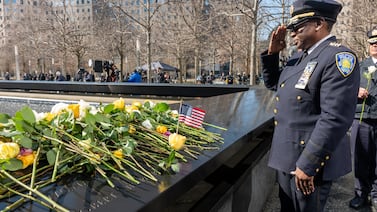
New York area members of Congress say agency's problems could have 'devastating' consequences for 9/11 emergency responders who need care.
Meanwhile, flu and RSV cases are increasing across the city and state.
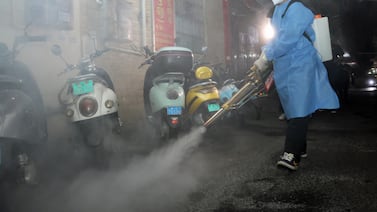
The chikungunya virus is spreading beyond the tropics, including in New York. People are dying of malaria after U.S. cuts in Cameroon aid. Here's what to know.

Most of Georgia’s school bus fleet is fueled by diesel, contributing to air and noise pollution. Some districts have started purchasing electric buses using federal funds. The new buses have health and educational benefits for students and can even send power back to the grid.
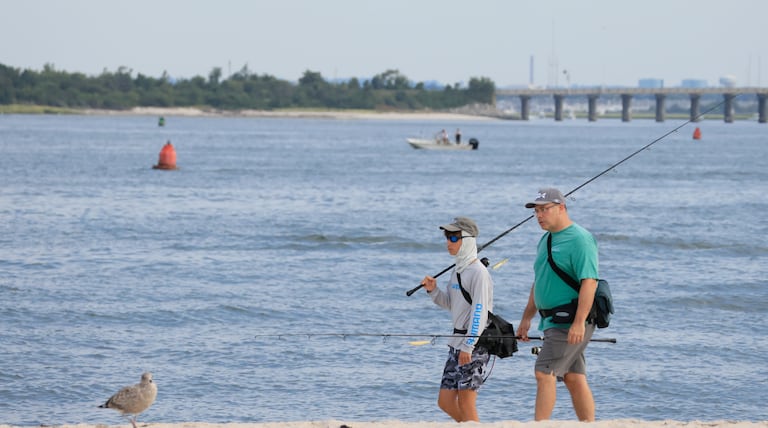
A new Covid variant has been detected in international travelers who arrived to New York City airports.
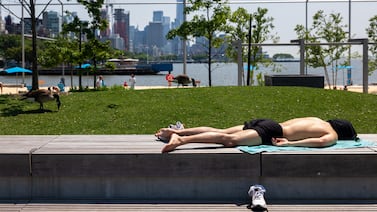
An air quality alert is in effect for New York City from 11 a.m. to 11 p.m. Thursday. Young children, elderly people, and those with respiratory diseases are advised to avoid strenuous activities.
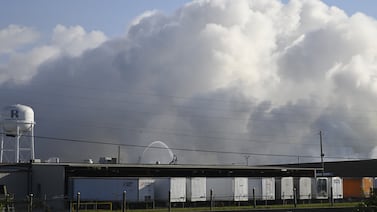
BioLab plans to stop manufacturing chemicals at its Conyers facility but some residents are concerned about its remaining operations.
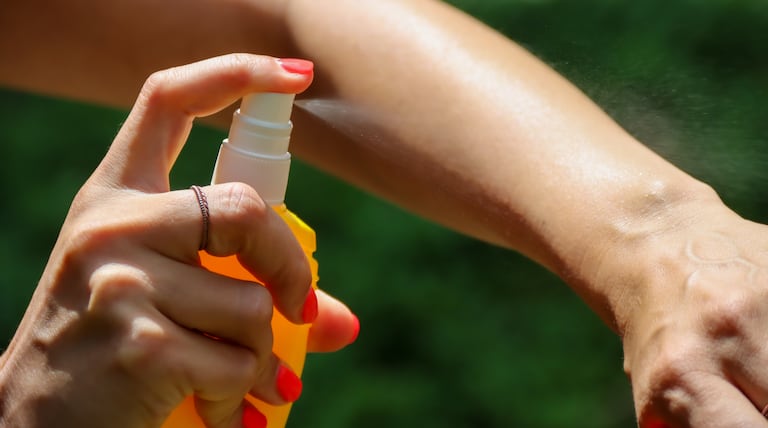
A little awareness goes a long way in staying healthy while soaking up the warmer days ahead.
Partly due to climate change, the average allergy season has grown by over three weeks since 1970, with higher pollen counts exacerbating allergies and respiratory conditions.
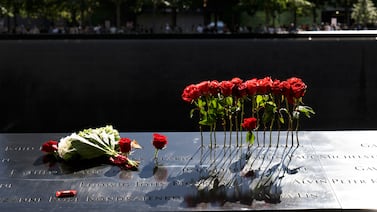
The program, which began a decade after the 9/11 terrorist attacks, provides medical services to impacted individuals and studies 9/11-related illness.
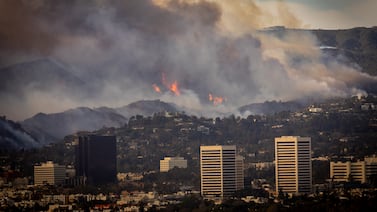
Scientists and public health officials have long tracked the pollutants that cause smog, acid rain, and other environmental health hazards and shared them with the public through the local Air Quality Index. But the monitoring system misses hundreds of harmful chemicals released in urban fires.
It’s pine tree pollen that coats cars and windowsills in a sunny shade of yellow, but the pollens that fuel allergies here come mostly from hardwood trees like oak, birch, sycamore, and hickory.

As experts grow increasingly worried about bird flu, there is one critical intervention state and local governments can take now: Improve indoor air quality in places like schools.

Researcher James Washington of Morehouse School of Medicine and Iffat Walker of Community Action Now! will explore the fire’s impact on residents’ health in six counties.
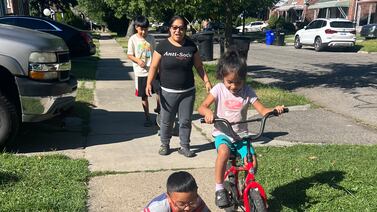
Children with asthma and their parents need help to understand the disease process and how to mitigate their triggers.