This article originally appeared at Your Local Epidemiologist New York. Sign up for the YLE NY newsletter here. Public health, explained: Sign up to receive Healthbeat’s free New York City newsletter here.

This is a packed week for New York health news. From an urgent call for blood donations and Legionnaires’ disease cases in Harlem, to a Code Blue warning for freezing temperatures and the ongoing virus season, here’s your New York Dose.New York is facing a blood supply shortage. Your donation matters.
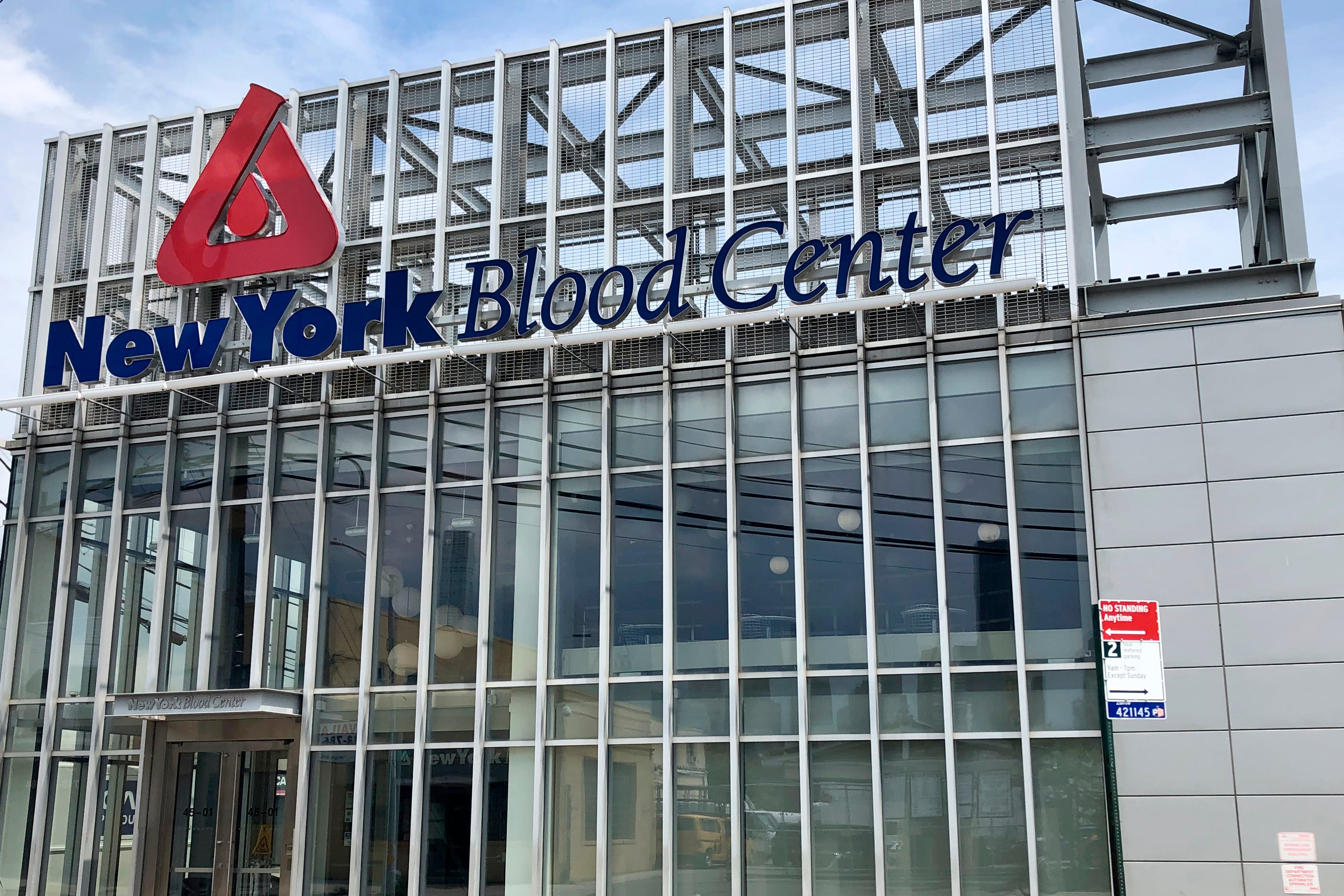
The American Red Cross and regional partners, including the New York Blood Center, are raising the flag that the local blood supply is critically low, with donations down to nearly 40% below hospital demand in parts of the state. Types O (the universal donor type), A‑, and B‑ are especially needed.
Why this matters
Hospital care — including emergency trauma response, childbirth, surgeries, cancer treatment, and chronic disease management like for sickle cell anemia — depends on a steady blood supply. National data show someone in the United States needs blood every 2 seconds, and nearly 29,000 pints are required daily. If hospitals don’t have enough blood on hand, clinicians may need to make hard decisions about who gets blood transfusions and who has to wait.
The challenge with having enough blood on hand is that it’s perishable —red blood cells last 42 days and platelets only five days. Winter holidays, bad weather, and a more severe flu season this year are resulting in fewer blood donations and cancelled blood drives. Even without these seasonal challenges, only about 3% of age‑eligible Americans donate blood each year.
How can we improve this system?
Addressing blood shortages requires innovation as well as better infrastructure. Strategies being explored to be less reliant on the limited donor supply include:
- Blood substitutes designed to temporarily carry oxygen when donated blood isn’t available. But these substitutes can’t replace blood entirely — they don’t clot, lack immune functions, and aren’t widely available.
- Lab-grown red blood cells show promise, especially for rare blood types. They are in the early stages of trials, but scaling the technology and science to meet hospital demand will be a big challenge.
- Advances in medical procedures that require less blood, and better inventory systems that reduce waste and expiration, will reduce the amount of blood needed.
Despite innovations and improvements, community blood donations remain the backbone of the blood supply and are essential to hospitals.
What you can do now
- Schedule a donation appointment through the Red Cross, New York Blood Center, or other local blood centers.
- Encourage family and friends to donate — one donation can help up to three people.
- Regular, year‑round donations help prevent seasonal shortages.
You can make a huge difference — donating blood literally saves lives.
Legionnaires’ disease under investigation in Harlem residential complex
City health officials are investigating two cases of Legionnaires’ disease at 3333 Broadway in Harlem, one of New York City’s largest residential buildings, home to about 10,000 people. Both cases occurred in the past year and were not fatal. Clusters like this raise concerns about water system exposure — especially following last summer’s Harlem outbreak that sickened more than 100 and killed seven (which I covered here).
While tests are being run, the building’s management and public health agencies have advised residents who are at higher risk for Legionnaires’ disease — those who are 50 and older, people with compromised immune systems or chronic diseases like diabetes or asthma, or who smoke — to do the following:
- Use cold water for drinking and bathing.
- Take baths or sponge baths instead of showers to avoid breathing in mist.
- Boil water if hot water is needed.
If you live or work in the affected building and develop flu-like symptoms, contact a health care provider and mention this exposure. Early antibiotic treatment greatly improves outcomes.
What this means and why it matters
Even with only two cases, this situation raises several big issues:
- It’s not surprising the residents are scared and upset. Seven people died in last year’s Harlem outbreak. Asking residents to take cold baths and avoid showers during a January cold snap is not realistic, especially in a building where many are older or have chronic illnesses. The communication and assistance for affected residents are lacking.
- This is a health equity issue. Harlem has some of the highest rates of asthma, diabetes, and poverty in New York City, all of which increase Legionnaires’ risk. Communities here deserve rapid, culturally responsive public health action, not lagging testing and unattainable guidance. The city should prioritize better and faster Legionella inspections in Harlem and the surrounding areas, in particular.
- There are policy gaps. While New York City requires regular Legionella testing for cooling towers, there is no law requiring routine testing of building plumbing systems (e.g., hot-water plumbing and domestic taps), even in large residential buildings like this one. Building water systems can be a source of Legionella, and in New York City, buildings aren’t tested for the bacteria until after two cases occur in the same building within a year. It’s important to note, though, that most big outbreaks in New York City have been linked to cooling towers.
A bill at the New York City Council (Intro. 434) would require large residential buildings to implement Legionella testing and water management plans for domestic water systems, but it has stalled. I’ll be paying attention to see if it picks up momentum again — I think that increased testing of large residential buildings has the potential to reduce the risk of these Legionnaires’ clusters.
Cold temps this weekend and a Code Blue
A strong cold snap is in the forecast this weekend, bringing “feels like” temperatures close to 0°F across New York and in New York City this weekend. Extreme cold can cause real health risks — from hypothermia and frostbite to worsening of chronic heart and lung disease, especially among older adults and people experiencing homelessness.
Tips to stay safe
- Keep children and pets inside when temperatures drop.
- Check in on older neighbors and people with chronic health conditions.
- If you use a space heater, make sure to follow the manufacturer’s guidance to avoid fire hazards.
Code Blue
A Code Blue Weather Emergency notice is issued in New York City when the temperature drops below freezing (32°F or lower) between 4 p.m. and 8 a.m. — which will be the case this weekend. No one will be denied shelter in New York City during a Code Blue. Should you see a vulnerable person out in the cold, call 311, and an outreach team will be dispatched to offer assistance.
The ripple effects of ICE in communities
It’s heart-wrenching to watch communities live in fear — families unsure if they’ll be able to safely pick up their kids from school, loved ones waiting anxiously for family members to come home.
Immigration and Customs Enforcement raids and activity have increased across the United States, including here in New York. A new ICE processing and detention facility is slated to open just 50 miles north of New York City, a large facility opened last year in Newark, New Jersey, and ICE continues to hold contracts with several upstate county jails.
I wrote about the ripple effects of ICE enforcement on communities’ health and well-being last year, and it’s just as relevant today. The impacts go far beyond immigration policy. They reach deep into the health, safety, and stability of families and neighborhoods. But there are ways we can support each other — neighbors, educators, and clinicians play a huge role in mitigating harmful health effects. I cover ways we can support families and communities carrying the burden in the piece here.
Infectious disease ‘weather report’
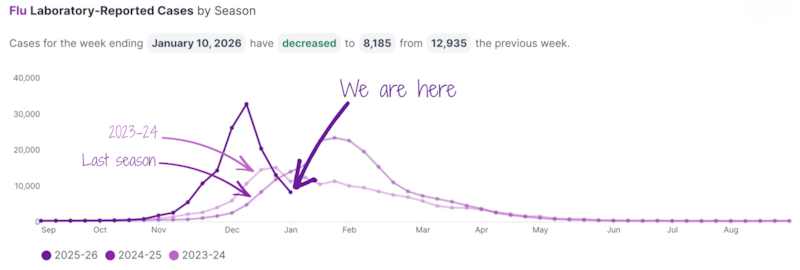
Flu: The good news is that flu has decreased for the past couple of weeks in New York. The bad news is that this has still been a really bad flu year. In the first week of January, we saw the highest number of flu hospitalizations in a single week ever recorded in New York. In New Jersey, a young child died of a flu infection last week.
I’ve been hearing a lot of chatter about the flu vaccine this year and questions about whether it was a good match. Although the circulating flu strain (subclade K) emerged after the vaccine formula was selected, effectiveness data from Europe in the fall showed that the vaccine still offered meaningful protection against hospitalization, even with the circulation of subclade k, with estimates of 70%–75% effectiveness in children and 30%–40% in adults.
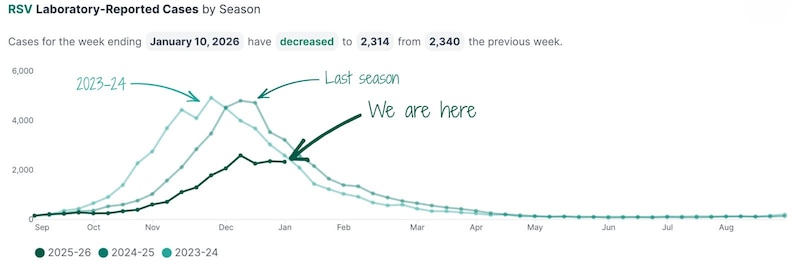
RSV: RSV cases in New York are holding steady, but the good news is that emergency department visits are declining, which means less pressure on clinics and hospitals. This has been a milder RSV season in New York.
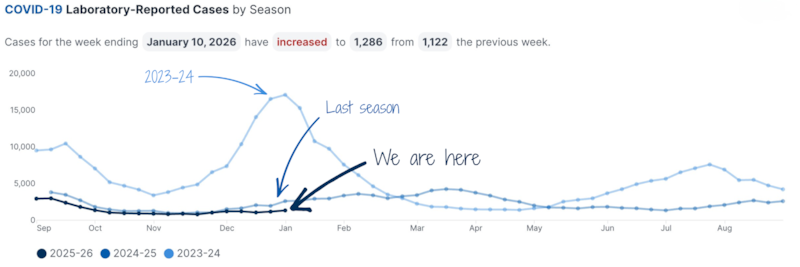
Covid: Covid slightly increased in New York the past week, but overall the burden remains low. In New York City, only a very small percentage of hospitalizations are due to Covid — it isn’t a major driver of severe illness right now.
No change to child vaccine schedule in New York
In case you missed it, the Northeast Public Health Collaborative announced that it is continuing to recommend the American Academy of Pediatrics’ Recommended Child and Adolescent Immunization Schedule, despite changes to the federal vaccine schedule (YLE founder Katelyn Jetelina covered those changes here).
Bottom line
You’re all caught up on New York health news. Stay warm, and see you next week!
Love,
Your NY Epi
Dr. Marisa Donnelly, PhD, is an epidemiologist, science communicator, and public health advocate. She specializes in infectious diseases, outbreak response, and emerging health threats. She has led multiple outbreak investigations at the California Department of Public Health and served as an Epidemic Intelligence Service Officer at the Centers for Disease Control and Prevention. Donnelly is also an epidemiologist at Biobot Analytics, where she works at the forefront of wastewater-based disease surveillance.