
Your Local Epidemiologist
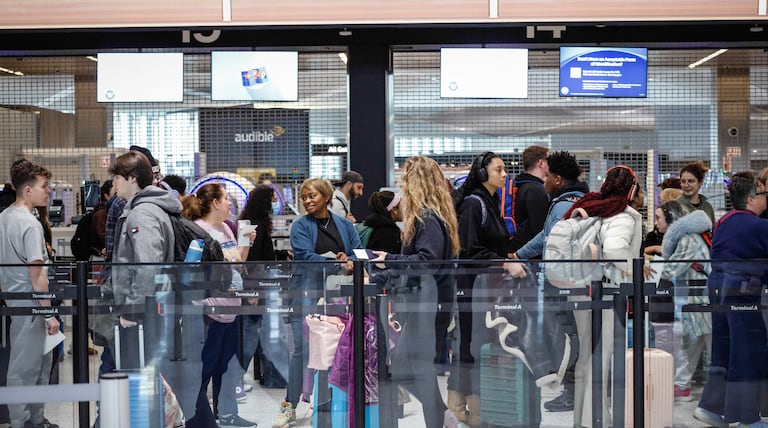
Also in New York public health news: the importance of closing doors for fire safety, and what to know about peptides being sold at medspas.
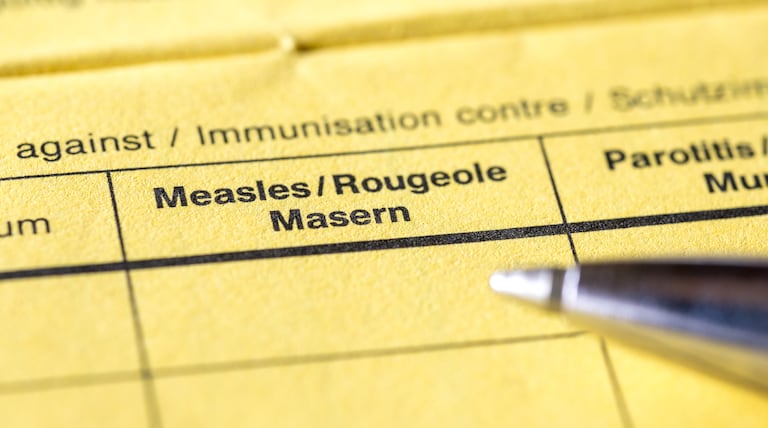
One of the clearest warning signs is measles, mumps, rubella coverage, which has dropped. New York state has confirmed eight measles cases this year.

Over the past few decades, allergy seasons in New York have gotten worse, partly due to climate change and warming temperatures.
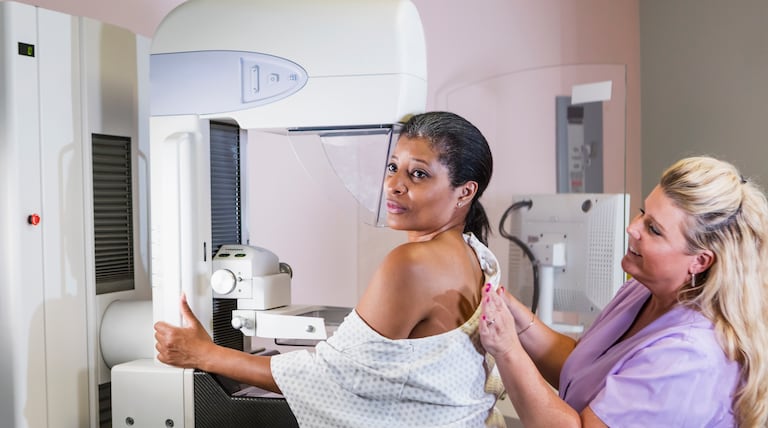
There are important differences in who gets diagnosed, what type of breast cancers are prevalent, and access to treatment.
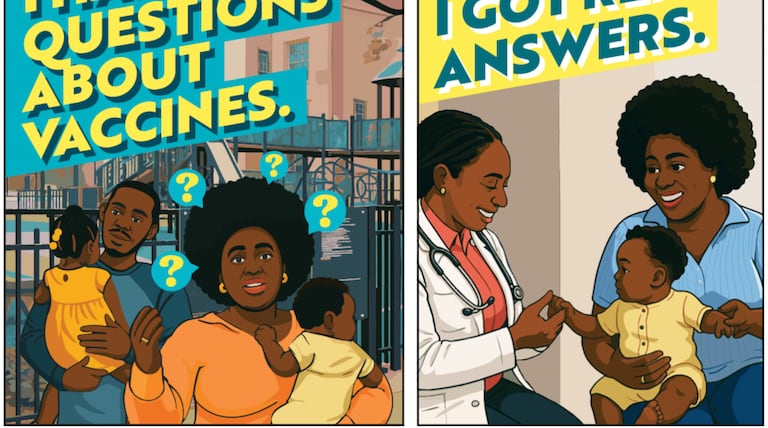
The intentions are good; it’s important to acknowledge that people have questions about vaccines. But if you dig deeper, the campaign falls short in a couple of important areas, including the $1M price tag.
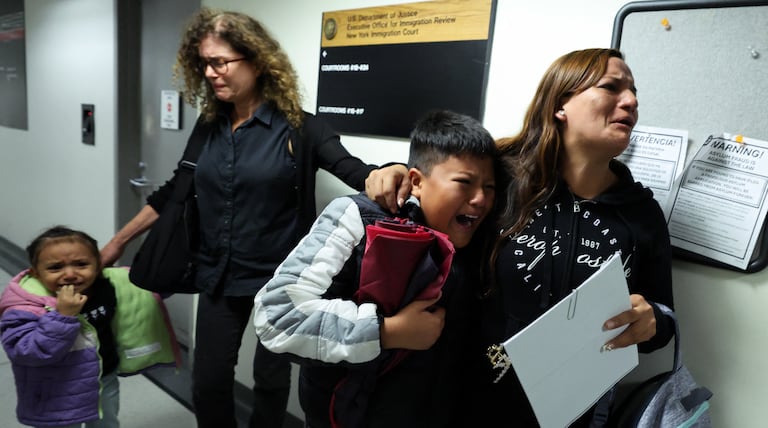
Reports of ICE raids and deportations don’t just affect the individuals directly targeted. They ripple outward, with real consequences for community health and well-being.
Also in New York health news: Two cases of Legionnaires' disease in Harlem, code temps forecast, and the ripple effects of ICE in communities.

High-quality early care and education programs are associated with positive developmental outcomes for children, improved maternal mental health, and increased maternal employment.
The past year has been chaotic for public health, but here's a roundup of some noteworthy accomplishments.
As we head into the holidays and many of us travel to be with loved ones, there’s some health news to keep in mind.
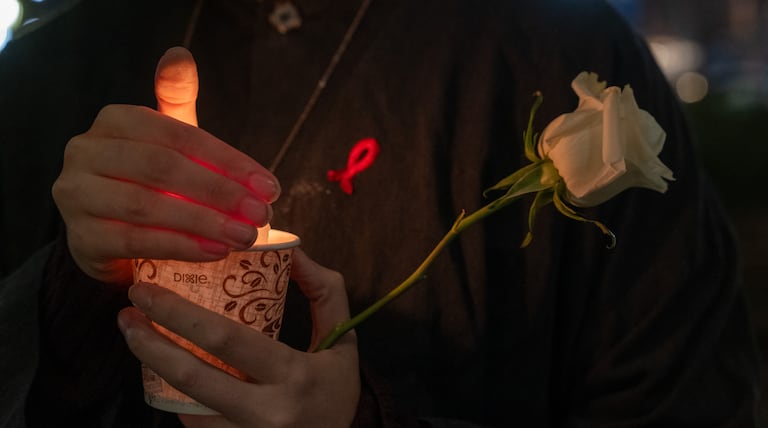
New York City has made incredible progress against HIV, but rising infection rates, persistent disparities, and looming federal funding cuts risk a backslide.
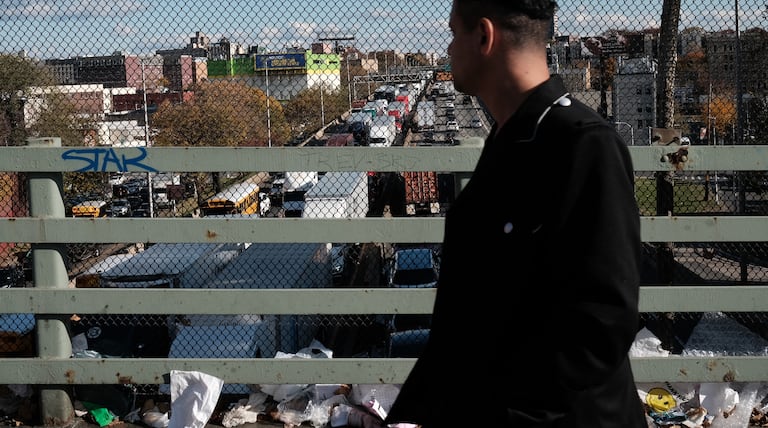
Meanwhile, flu and RSV cases are increasing across the city and state.
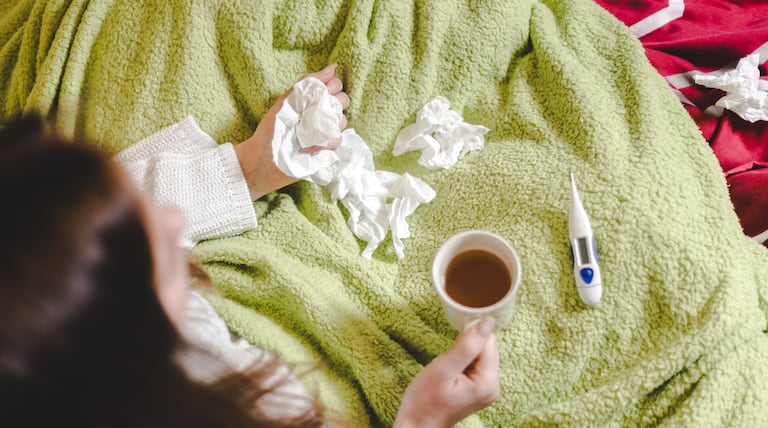
As we head into Thanksgiving, when many of us will be traveling to see loved ones, flu and RSV are top of mind. To reduce the spread of illness, consider masking in indoor crowded spaces.
The subsidies, introduced during the pandemic and later extended, made health insurance more affordable for millions. If they expire at the end of the year, health care will become more expensive for millions.
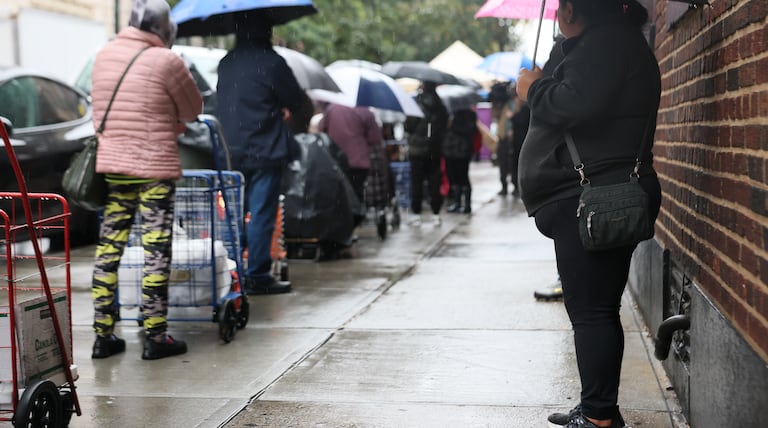
A new state health report finds fewer high school students are using cigarettes, e‑cigarettes, or other tobacco products last year.
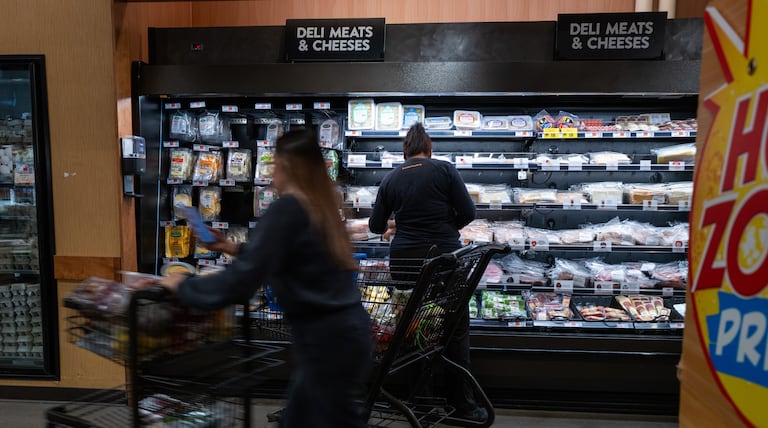
Several New York neighborhoods are considered “food deserts” — where it’s difficult to buy healthy, nutritious food at an affordable price.
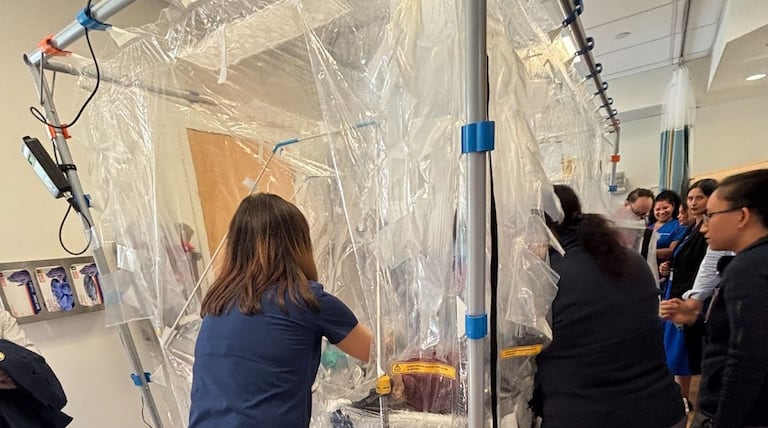
About 140,000 people across the state benefit from enhanced Affordable Care Act subsidies. Cutting them would be more expensive for everyone in the long run.
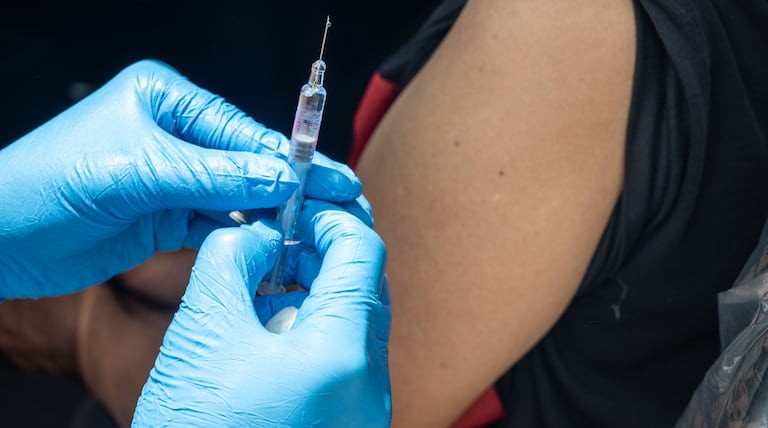
Chikungunya, a virus spread by mosquitoes, is very rare in the United States. The last locally transmitted cases occurred in 2015.

From shifting Covid-19 vaccine recommendations and a debate over Tylenol and autism, to declining Covid levels in New York and even a case of eastern equine encephalitis, there’s a lot to sort through.
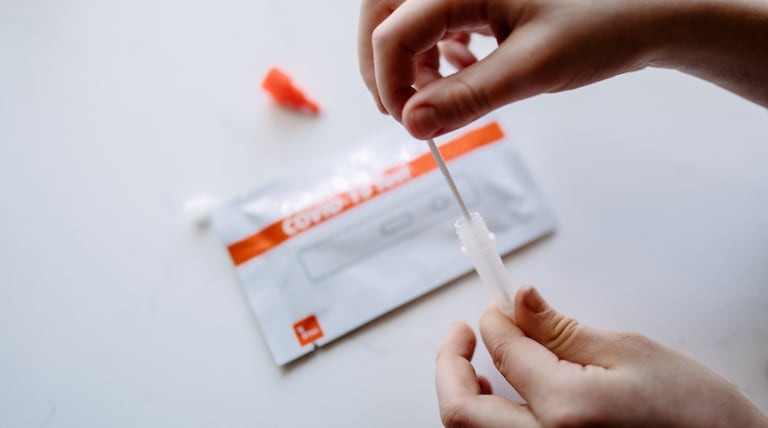
Covid is rising, what to know about vaccine recommendations, peak mosquito season, and a Legionnaires' outbreak in Westchester County.