This article originally appeared at Your Local Epidemiologist New York. Sign up for the YLE NY newsletter here. Public health, explained: Sign up to receive Healthbeat’s free New York City newsletter here.

There’s a lot to cover and celebrate this week in New York public health. From improving New York City’s life expectancy to a new state law ensuring inhaler coverage, public health and policy are quietly working behind the scenes. But there’s still plenty of work ahead. Let’s jump in.
Insurance has to pay for inhalers in NY
No one should struggle to breathe because they can’t afford it, but that’s been the reality for many New Yorkers with asthma. The cost of inhalers varies widely, from $35 with insurance to over $500 if uninsured, and depending on the type (e.g., daily preventative vs. emergency relief inhaler). Starting in 2027, though, that reality will shift for many. Last week, Gov. Kathy Hochul signed into law a bill that will require state-regulated health plans — including those on the Affordable Care Act marketplace — to cover the cost of asthma inhalers fully.
Why this matters
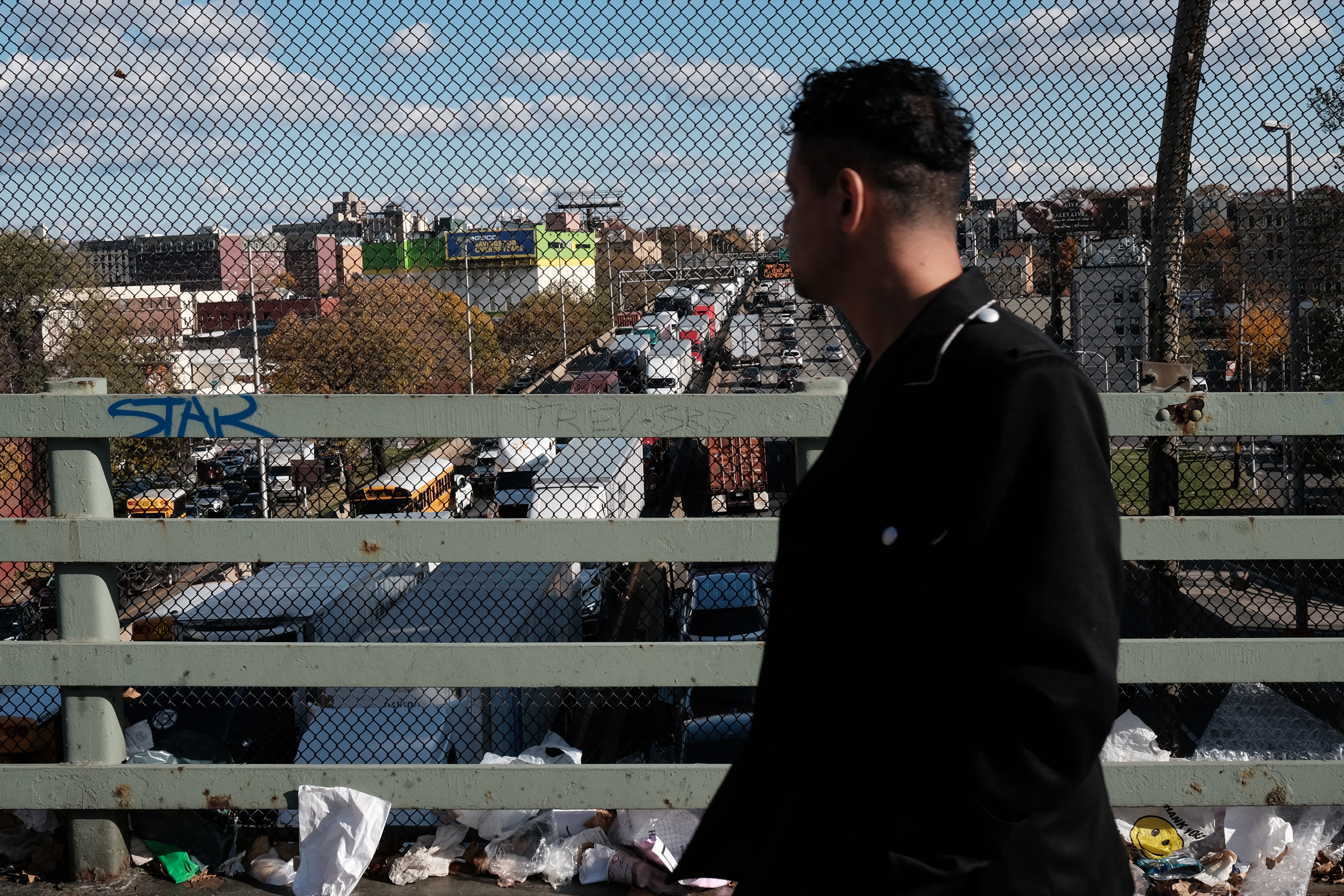
Nearly 2 million New Yorkers (about 10% of the state) live with asthma. In New York City, the problem is even greater, especially in neighborhoods with higher pollution levels due to heavy traffic and industrial zoning. In the Bronx, for example, the neighborhood of Mott Haven has become known as “Asthma Alley” because of its concerningly high rates of childhood asthma.
Mott Haven has nearly double the rate of asthma-related emergency room visits for kids 5-17 years old (266.2 per 10,000) compared to city averages (143.7 per 10,000). And these are some of the highest asthma-related emergency room visit rates in the country. (For comparison, the national average asthma-related emergency room visit rate is 36.6 per 10,000 for kids aged 0-18.)
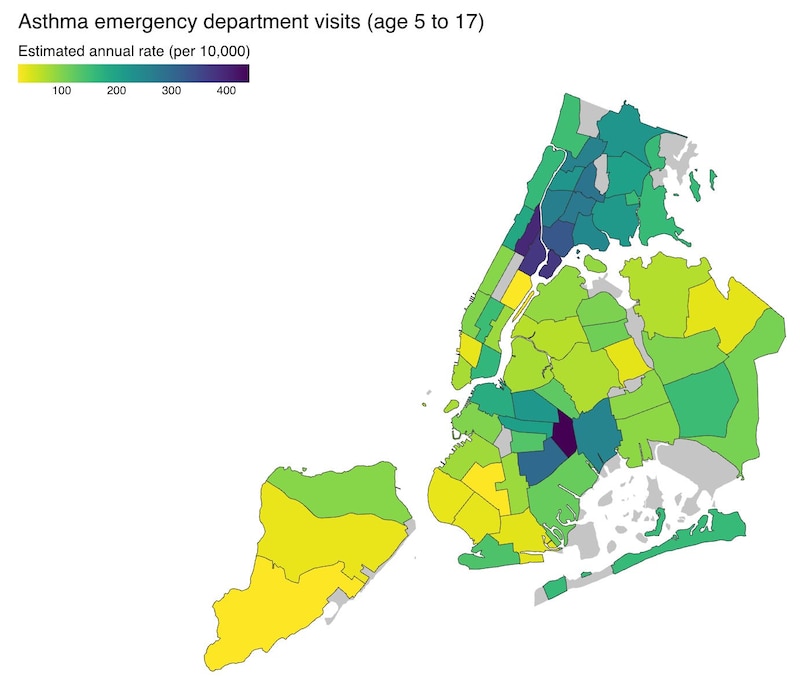
Access to free inhalers is more than a convenience — it’s a lifeline. This is especially true for low-income families living in neighborhoods with high air pollution, who are least likely to afford consistent care. Mott Haven is one of these neighborhoods: a community with many families earning low incomes, surrounded by three major highways and industrial warehouses, resulting in higher air pollution.
While this new law is a major step forward for health equity, it’s still a band-aid: It doesn’t address why asthma rates are so high in the first place. Until we tackle the upstream causes, like air pollution, housing quality, and environmental justice, New Yorkers will continue to need more inhalers.
The state has taken similar steps to make treatments accessible for other chronic conditions, such as capping insulin costs under state-regulated plans. Though this piecemeal approach raises a bigger question: Is the best solution to pass drug-by-drug legislation? Do we need individual bills for every lifesaving medication New Yorkers depend on, and that many families struggle to pay for? This approach is reactive, and many experts argue that broader reforms may be more effective at addressing the underlying root drivers of high drug pricing.
New York City just beat its own health goal, 5 years early
In 2023, the city launched HealthyNYC following a dramatic drop in life-expectancy — from 82.6 years in 2019 to 78 years in 2020, mainly due to the Covid-19 pandemic. The initiative aims to raise life expectancy to 83 years by 2030. But according to new data released last week, we’ve already passed that goal: Life expectancy in New York City is now 83.2 years — the highest in our city’s history since we began tracking.
What drove this change?
Covid-19 deaths dropped by over 90% from 2021 to last year. This alone added years back to New Yorkers’ lives. Other leading causes of death, like heart disease, diabetes, suicide, and homicide, also declined.
But not every number went in the right direction. Deaths from screenable cancers (think breast, colorectal, cervical) rose slightly — up 0.7%. These are cancers we can often catch early or prevent through routine screening, yet outcomes worsened last year in the city.
Additionally, major health inequities persist:
- Screenable cancer deaths are still highest among non-Hispanic Black New Yorkers, and especially men.
- Heart and diabetes-related deaths are most common in non-Hispanic Black communities.
- Homicide and overdose rates disproportionately affect Black and Hispanic communities.
What’s working?
Some of the programs helping to improve life expectancy include:
- The Public Health Corps, connecting high-risk communities to care.
- Citywide media campaigns and vaccine outreach.
- Distribution of 300,000+ naloxone kits and harm reduction services.
- New investments in opioid treatment programs like Relay.
- Doula and nurse home visiting programs for 20,000+ families.
- Action centers focusing on neighborhoods with the highest premature death rates.
With the HealthyNYC initiative codified into law, these efforts won’t disappear with a new mayor or budget cycle — the city will keep working on improving these metrics. But these successes aren’t the finish line. There’s still a big question: How do we not just live longer, but live better? Some city leaders say the next chapter should focus on healthspan — the years of life spent in good health — not just lifespan. It’s also crucial that we continue to double down on closing health inequities across neighborhoods and populations.
Infectious disease ‘weather report’
Flu: Flu continues to increase quickly. The most recent data show that cases and hospitalizations in the state have increased by 117% and 99%, respectively. In New York City, emergency department visits for the flu rose by 142%.
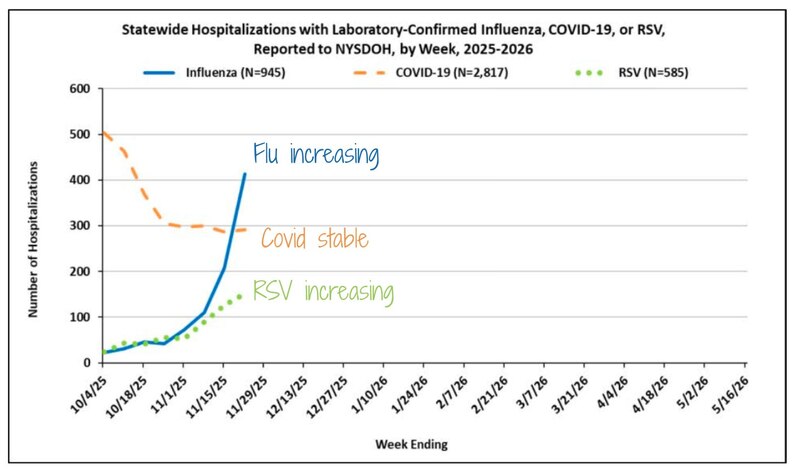
RSV: Also increasing across the state and in New York City, mostly in kids under 4. Statewide, hospitalizations increased by 21%, while emergency department visits in New York City went up by 71%.
Covid-19: Cases and hospitalizations are holding steady at low levels in both the city and across the state.
The New York state wastewater program recently launched a helpful update to its dashboard. They now color-code sites by whether they are increasing, decreasing, or stable for Covid-19.
Right now, most sites across the state have either stable or decreasing Covid-19 wastewater values. Sixteen sites, though, are reporting increases, with the largest spikes seen in Seneca and Tioga.
HIV diagnoses have gone up in NYC
A new report shows that last year, 1,791 people were diagnosed with HIV in New York City, up 5.4% compared with 2023. And huge inequities remain: 86% of people newly diagnosed with HIV were Black or Latino/a, and 91% of newly diagnosed women were Black or Latina. Among people newly diagnosed with known transmission category, 65% were men who have sex with men, 82% of whom were Black or Latino.
Upstate updates
- If you are looking forward to ice fishing this winter, make sure to check the conditions of the ice before you go out. A minimum of three to four inches of solid ice is the general rule for safety. For more information and to learn about specific fish species in ice fishing, check out the New York Department of Environmental Conservation page.
- A raccoon tested positive for rabies in Deansboro. This is a reminder to avoid touching wildlife. If you see any acting strangely (acting mad, shy, getting unusually close, or drooling or foaming at the mouth), stay away, and call your local animal control officer for help. (Find contact information on your city’s website).
- Monroe County launched MonroeAlert, an emergency notifications system for residents to get alerts about critical situations in their community. Residents can sign up to receive alerts via text message, email, phone call, or mobile app about emerging issues like severe weather, public safety incidents, travel restrictions, and shelter information.
Bottom line
New York is making real progress, from adding years to our lives to making breathing a little easier for those with asthma. But equity and prevention must stay front and center. Our communities should strive to live better, in addition to living longer.
Love,
Your NY Epi
Dr. Marisa Donnelly, PhD, is an epidemiologist, science communicator, and public health advocate. She specializes in infectious diseases, outbreak response, and emerging health threats. She has led multiple outbreak investigations at the California Department of Public Health and served as an Epidemic Intelligence Service Officer at the Centers for Disease Control and Prevention. Donnelly is also an epidemiologist at Biobot Analytics, where she works at the forefront of wastewater-based disease surveillance.