Public health, explained: Sign up to receive Healthbeat’s free national newsletter here.
Maternity hospitals across the country will now play a significant role in whether babies will universally be vaccinated against hepatitis B at birth as the federal government drops its long-held recommendation for the shot.
But many of the nation’s largest maternity hospitals wouldn’t answer questions over the past week about their current policies and how they will handle the changing guidance.
The guidance now only recommends a birth dose of the vaccine for a subset of babies whose mothers test positive for the hepatitis B virus or whose status is unknown. They further suggest that mothers who test negative for the virus but still want to vaccinate their babies delay the shots for at least two months after birth – a dramatic change that major medical societies say will cause a resurgence of liver disease.
Late Tuesday, the Centers for Disease Control and Prevention announced that its acting director, Jim O’Neill, had approved the vaccine recommendations made early this month by an advisory panel that had been reconstituted to only include members selected by Health and Human Services Secretary Robert F. Kennedy Jr., a vaccine critic.
Healthbeat asked 10 of the nation’s largest maternity hospitals and systems that deliver the most babies about their existing policies for hepatitis B birth doses and whether they are changing as a result of the new CDC Advisory Committee on Immunization Practices guidance. These 10 hospitals and systems delivered more than 227,000 babies in 2024, according to the American Hospital Association’s annual survey data.
All but two of these large maternity hospitals wouldn’t answer specific questions – in writing or in an interview – about their hepatitis B birth-dose policies, existing standing orders for newborns, or any impact of the new federal guidance.
“Unfortunately we will not be able to provide anyone to speak on this matter at this time,” said a spokesperson for Northside Hospital in Atlanta. The spokesperson didn’t respond to questions about why.
At Orlando Health Orlando Regional Medical Center in Florida, a spokesperson responded similarly and without explanation: “We are unable to assist with this request.” Healthbeat received similar responses from several of the other large maternity hospitals.
HCA Healthcare, one of the nation’s largest hospital chains, equivocated without answering questions about individual hospital policies or how they may change. HCA helps operate St. David’s North Austin Medical Center in Texas, which is listed among the American Hospital Association’s largest maternity hospitals.
“As a health system, it is our practice to support our physicians by providing information and best practices, including the latest guidance from CDC as well as professional societies, so they can use their extensive training and experience to exercise their independent medical judgment to assess patients’ needs and determine appropriate care,” HCA said in a statement to Healthbeat.
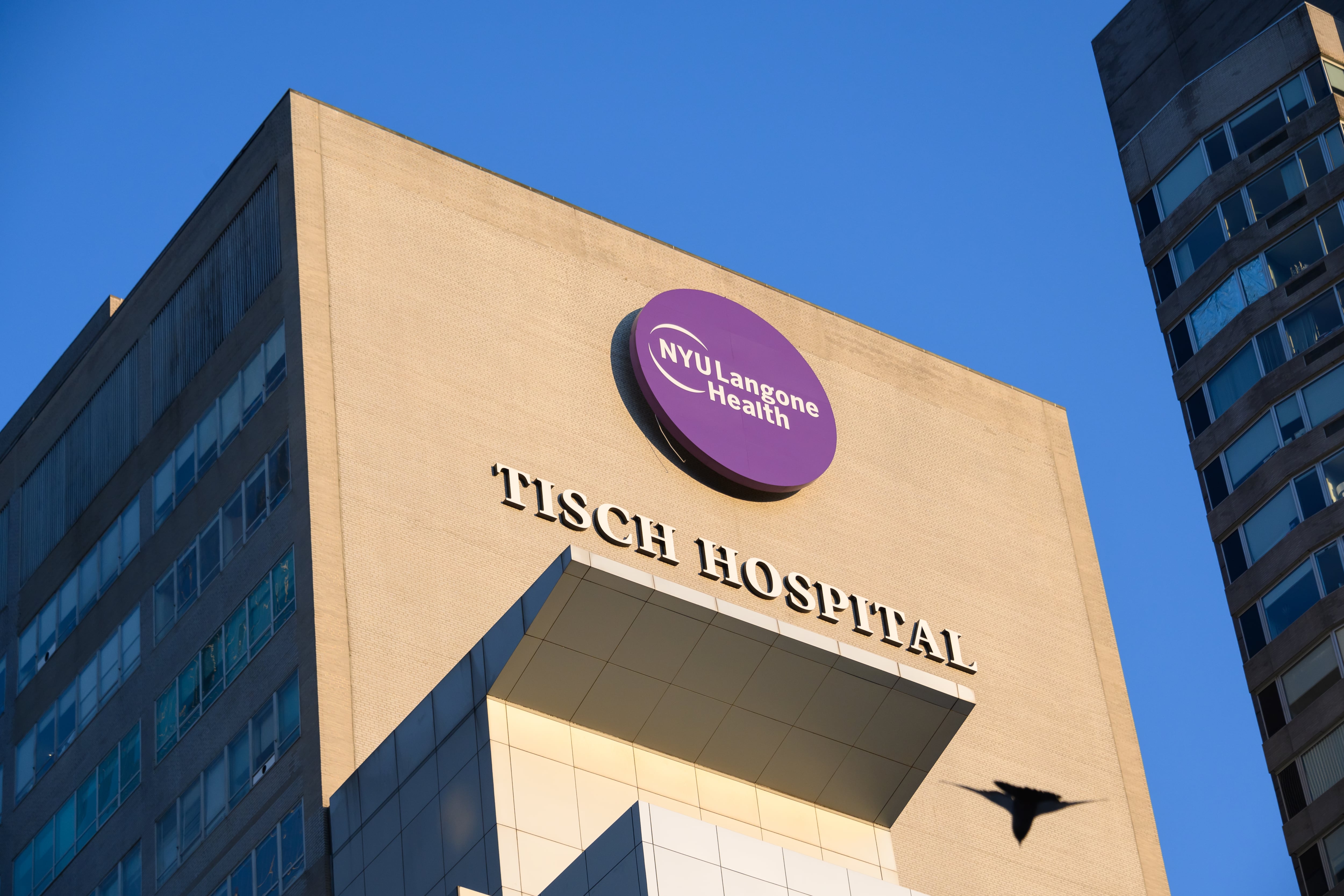
Other hospitals and systems that didn’t answer Healthbeat’s questions included: NYU Langone Hospitals in New York City, Parkland Health in Dallas, AdventHealth Orlando in Florida, and Northwestern Memorial Hospital in Chicago.
A spokesperson for the American Hospital Association said the group had no comment on why so many of the nation’s largest maternity hospitals seemed reluctant to discuss how they are responding to the change in federal guidance.
Two large maternity hospitals told Healthbeat they plan to continue to offer and recommend universal hepatitis B vaccination for babies born at their facilities regardless of whether their mothers have tested positive, a practice that continues to be endorsed by the American Academy of Pediatrics, the American Academy of Family Physicians, and numerous other major medical societies.
At Memorial Hermann Greater Heights Hospital in Houston, the birth dose of hepatitis B vaccine will continue to be offered to all newborns, said Dr. Luis Ostrosky, chief epidemiology officer for the Memorial Hermann Health System.
“Following best evidence and guidance from major medical societies, Memorial Hermann will continue to offer and recommend neonatal hepatitis B vaccination, in line with the American Academy of Pediatrics immunization schedule,” Ostrosky said. “Parents will continue to have the choice – as has always been the case – to accept or decline the recommended guidance, in consultation with their health care provider.”
Babies born on the Inova Fairfax Medical Campus, located in Falls Church, Virginia, near the nation’s capital, also will continue to be universally offered a birth dose of the vaccine, which a spokesperson for the system said remains a part of its standard newborn nursery order to be given within 24 hours of birth with parental consent.
“Inova follows the American Academy of Pediatrics recommendation for universal Hepatitis B vaccination at birth due to the decades of clinical and scientific evidence demonstrating its safety and efficacy in preventing serious illness,” the health system said in an email to Healthbeat. “Decisions regarding vaccination are always made collaboratively between Inova patients and their care providers.”
It appears that New York-Presbyterian Hospitals in New York City also are continuing to provide universal birth doses. This system gave an obscure, one-sentence response to Healthbeat without providing details of its birth dose policies or standing orders. It said: “All our hospitals follow NYSDOH guidance and established best practices,” referring to the New York State Department of Health. The department’s website says it continues to recommend the universal birth dose.
The CDC had recommended universal vaccination of newborns since 1991. Since that time the annual number of reported cases among U.S. infants and children has dropped by 99%, from 16,000 to less than 20, according to the American Academy of Pediatrics.
The birth dose of the vaccine prevents the virus from being transmitted to babies during childbirth and protects them during childhood against infections that can be spread by family members and other caregivers who often are unaware they are infected.
The virus is highly contagious and spreads through contact with blood and body fluids. It can spread through sharing personal items such as razors, toothbrushes, and nail clippers, as well as through sexual contact and the use of unsterile needles.
“This is a vaccine that we have several decades of experience with. We know it’s safe, we know it’s effective, and we know that it’s important,” said Dr. Michael Warren, chief medical and health officer for the March of Dimes, who previously served as the associate administrator of the federal Health Resources and Services Administration’s maternal and child health bureau.
Warren said it’s unclear whether the changing federal guidance will create any barriers to families accessing birth doses for their infants when they deliver at hospitals across the country.
“Hospital policy absolutely does matter,” Warren said. “Almost all babies in this country are born in hospital settings, and so the hospital is really this important front door to a life of good health, and that starts with that routine newborn care, including that birth dose of hepatitis B vaccine.”
If hospital policies were to create barriers, it would contribute to a decrease in vaccination rates and an increase in cases of hepatitis B infections, which can cause cirrhosis, liver failure, and liver cancer, he said.
Warren said he can’t speculate why hospitals seemed reluctant to answer Healthbeat’s questions about their policies and response to the federal guidance. He said he’s heard anecdotally that some hospitals are planning to continue offering universal birth doses.
In Michigan, several health systems – Corewell Health, Henry Ford Health, McLaren Health Care, Munson Healthcare and the University of Michigan Health – have said they will continue to provide universal hepatitis B immunization of newborns, according to the Detroit Free Press.
Warren noted that several state health departments have issued recommendations encouraging parents to continue to have their babies universally vaccinated at birth. A few have issued standing orders or executive directives that authorize providers to administer the doses.
“I hope that their hospitals and those states will follow those recommendations,” Warren said.
Parents who want their babies to receive the birth dose or who have questions about the vaccine can talk with their obstetricians and pediatricians, he said.
“We hope that families are always asking questions about routine newborn care and why it’s important to have these recommended pieces of care done,” Warren said.
Alison Young is Healthbeat’s senior national reporter. You can reach her at ayoung@healthbeat.org or through the messaging app Signal at alisonyoungreports.48