Public health, explained: Sign up to receive Healthbeat’s free New York City newsletter here.
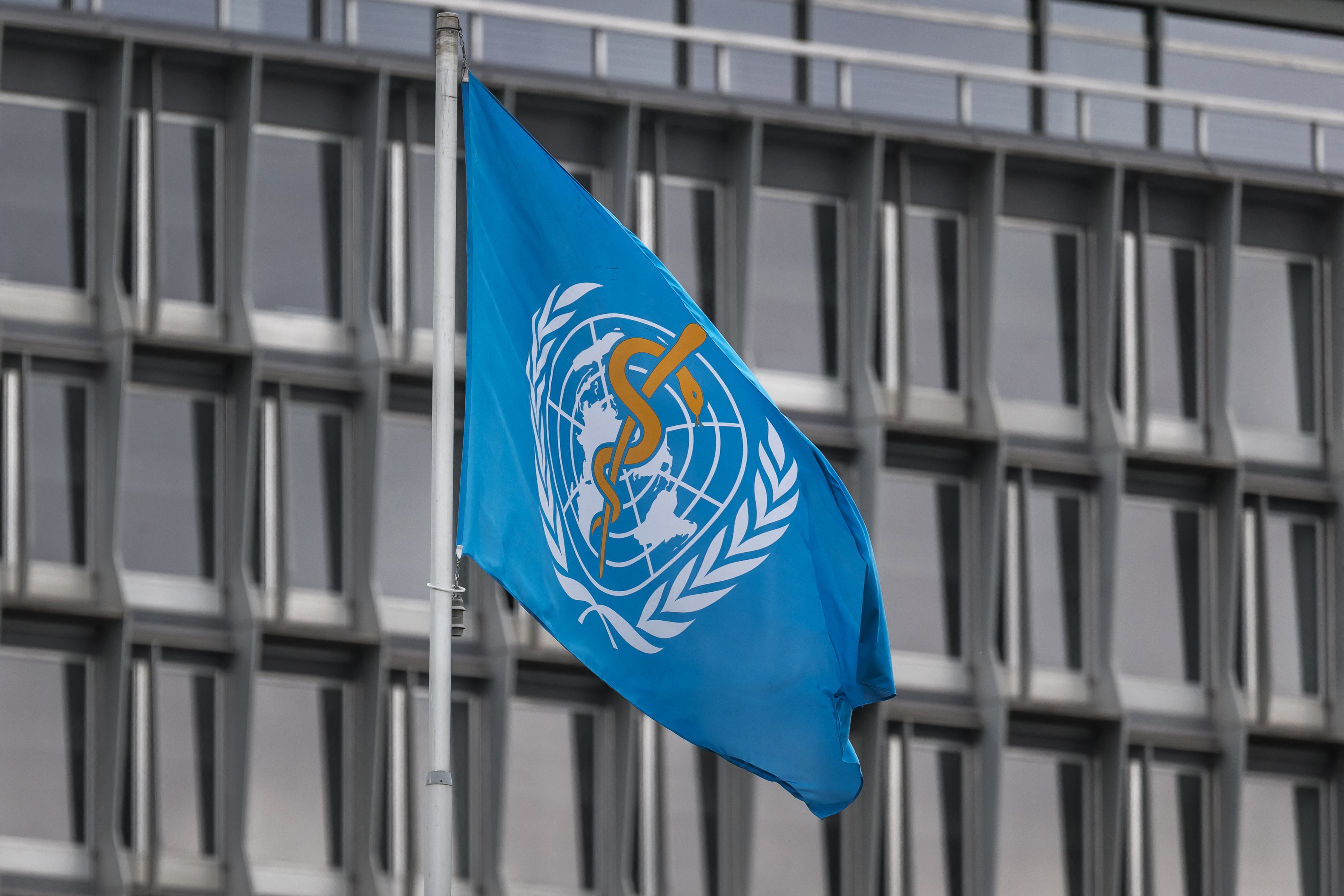
The New York City Department of Health and Mental Hygiene announced Thursday it has joined a World Health Organization network that works on disease outbreaks and other public health emergencies around the world. The city said it was the first U.S. municipality to do so.
The decision to join WHO’s Global Outbreak Alert and Response Network is the latest example of a government agency in the United States seeking to work with the WHO following the Trump administration’s withdrawal from the organization in January, coupled with deep cuts to the U.S. Centers for Disease Control and Prevention. California Gov. Gavin Newsom announced last month that his state was joining the network; on Tuesday, Illinois Gov. JB Pritzker announced his state would join.
The WHO group is an international public health network that brings together more than 300 public health institutions, governments, academic centers, laboratories, and response organizations. Their aim is to rapidly detect and respond to public health threats and emergencies. To this end, the different entities receive direct access to early-warning alerts and outbreak intelligence, along with training and exercises.
The membership will likely prove essential this summer when the United States, along with Mexico and Canada, hosts the 2026 FIFA World Cup. Matches will take place in major cities throughout North America, culminating with a final in July at MetLife Stadium in East Rutherford, New Jersey. Greater New York alone is expecting more than a million visitors. For its part, the White House has created a World Cup task force, led by Andrew Giuliani, son of former New York City Mayor Rudy Giuliani, that is housed at the U.S. Department of Homeland Security.
Public health experts say the Trump administration’s retreat from the WHO will make the world – and the United States – more vulnerable to disease outbreaks and other public health threats. The United States has long been a key player in containing outbreaks in other parts of the world that might otherwise show up at the U.S. borders. The United States was the WHO’s single largest donor, with contributions fluctuating, donating $1.2 billion during the 2022-23 biennium.
In an interview with Healthbeat last week, New York State Health Commissioner James McDonald said the state was also looking into joining the WHO network.
McDonald said the U.S. withdrawal from the WHO would undermine global immunization efforts, which would bring illness as a result. A healthier world means a healthier New York state and United States.
“One of my big concerns is by pulling out of the World Health Organization and by underfunding CDC, what risk are we inviting in the United States?” McDonald said. “Because people get in planes and travel, and you are literally 12 hours away from the biggest surprise ever. I don’t understand why we’re willing to live in this period of ignorance."
Trenton Daniel is a reporter covering public health in New York for Healthbeat. Contact Trenton at tdaniel@healthbeat.org or on the messaging app Signal at trentondaniel.88.