Public health, explained: Sign up to receive Healthbeat’s free New York City newsletter here.
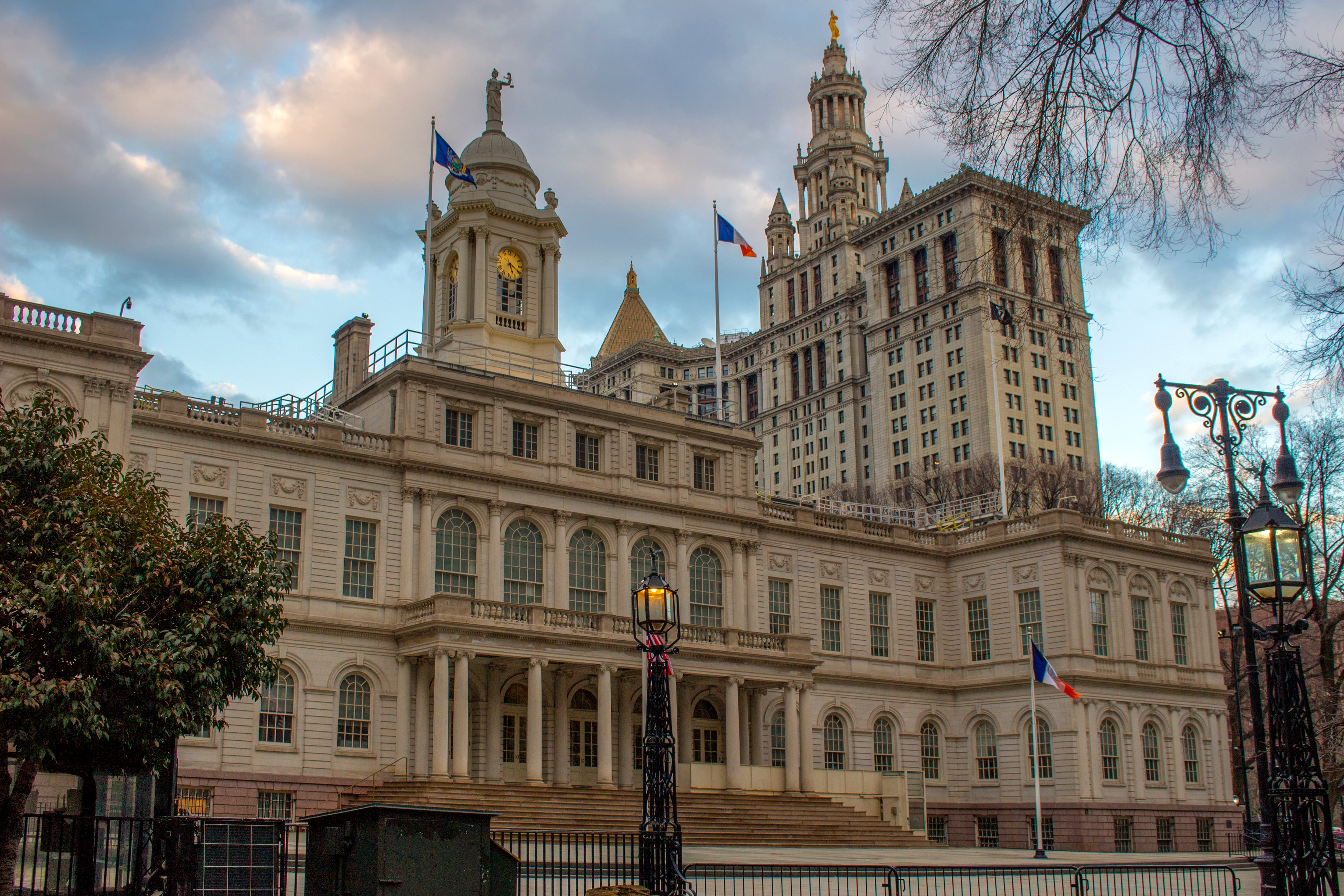
Mounting concerns about the future of federal funding for Medicaid and public health work cast a shadow over a New York City Council health budget hearing on Friday.
City leaders and lawmakers in the midst of hammering out a budget for the next fiscal year are grappling with previous federal funding cuts — some of which are tied up in courts — and with an expansive budget bill passed in the U.S. House of Representatives on Thursday, which proposes sharp cuts to Medicaid, food assistance, and other programs.
Medicaid cuts could have significant impacts on New York City and New York state, shrinking health insurance coverage and destabilizing safety-net hospital systems, officials say. If the budget bill becomes law, nearly 1.5 million New Yorkers could lose health insurance coverage under Medicaid or the Essential Plan, a state program, according to state estimates. In New York City, about half of all residents rely on Medicaid.
Dr. Michelle Morse, the acting commissioner for the New York City Department of Health and Mental Hygiene, told city lawmakers on Friday that the question of how to navigate threats to federal health funding, as well as looming Medicaid cuts, “keeps us all up at night.”
“Any cuts to health insurance programs like Medicaid or the Essential Plan will definitively make New Yorkers less healthy and have less access to care and be forced, in many cases, unfortunately, to use emergency rooms or other services instead of getting the preventive care that we know New Yorkers need,” she said. “So we’re very concerned.”
During a budget hearing on Thursday, Dr. Mitchell Katz, the president and chief executive of NYC Health + Hospitals, warned that if the budget bill is enacted, his safety-net hospital system could lose hundreds of millions of dollars and be forced to cut services.
The executive financial plan proposes a budget of $2.3 billion for the Health Department for the 2026 fiscal year, representing about 2% of the total city $115.1 billion budget for that year. Morse noted that while none of the agency’s public health services are expected to see reductions in city dollars, uncertainty around federal funding cuts could still imperil the department’s work.
Of the $600 million that the agency receives from the federal government, about $100 million — which the Trump administration rescinded in March — is tied up in the courts. A federal judge issued a preliminary injunction last week, extending a block on the cuts, which primarily fund immunization programs and infectious disease surveillance in the city.
In light of uncertainty in federal funding, Morse said that the agency will increasingly rely on state and city dollars, noting that about 29% of its work is funded through the state. She also renewed calls for state lawmakers to pass a bill this session restoring the city’s full Article 6 reimbursement rate, which determines how much funding the city receives from the state for core public health work.
The executive budget does propose some deeper investments in public health work, particularly in tuberculosis case management. New York City faces an increase in TB cases, and the Health Department has struggled with reduced staffing in its TB division in recent years.
Under the proposed executive budget, the agency would receive a one-year boost of $7.2 million for its TB work. The funds would go toward hiring more case managers, expanding contact tracing efforts, and bolstering community engagement work, Morse said.
Uncertainty around shifting federal health policy also loomed over the budget hearing. This week, the Food and Drug Administration announced that it would tighten Covid vaccination requirements, making the shots available to seniors and high-risk individuals — but potentially out of reach for others who want them.
Council Member Lynn Schulman, chair of the Health Committee and a Queens Democrat, raised concerns about the availability of the Covid-19 booster for New Yorkers.
Dr. Celia Quinn, a deputy commissioner at the Health Department, said that federal policy was changing quickly, and that the agency would know more in the coming weeks.
“It’s true that older people have much higher risk for severe manifestations of Covid,” Quinn said. “That said, there’s a lot of reasons why, we believe, other people may need to get Covid vaccines as well.”
Eliza Fawcett is a reporter covering public health in New York City for Healthbeat. Contact Eliza at efawcett@healthbeat.org.