Public health, explained: Sign up to receive Healthbeat’s free New York City newsletter here.
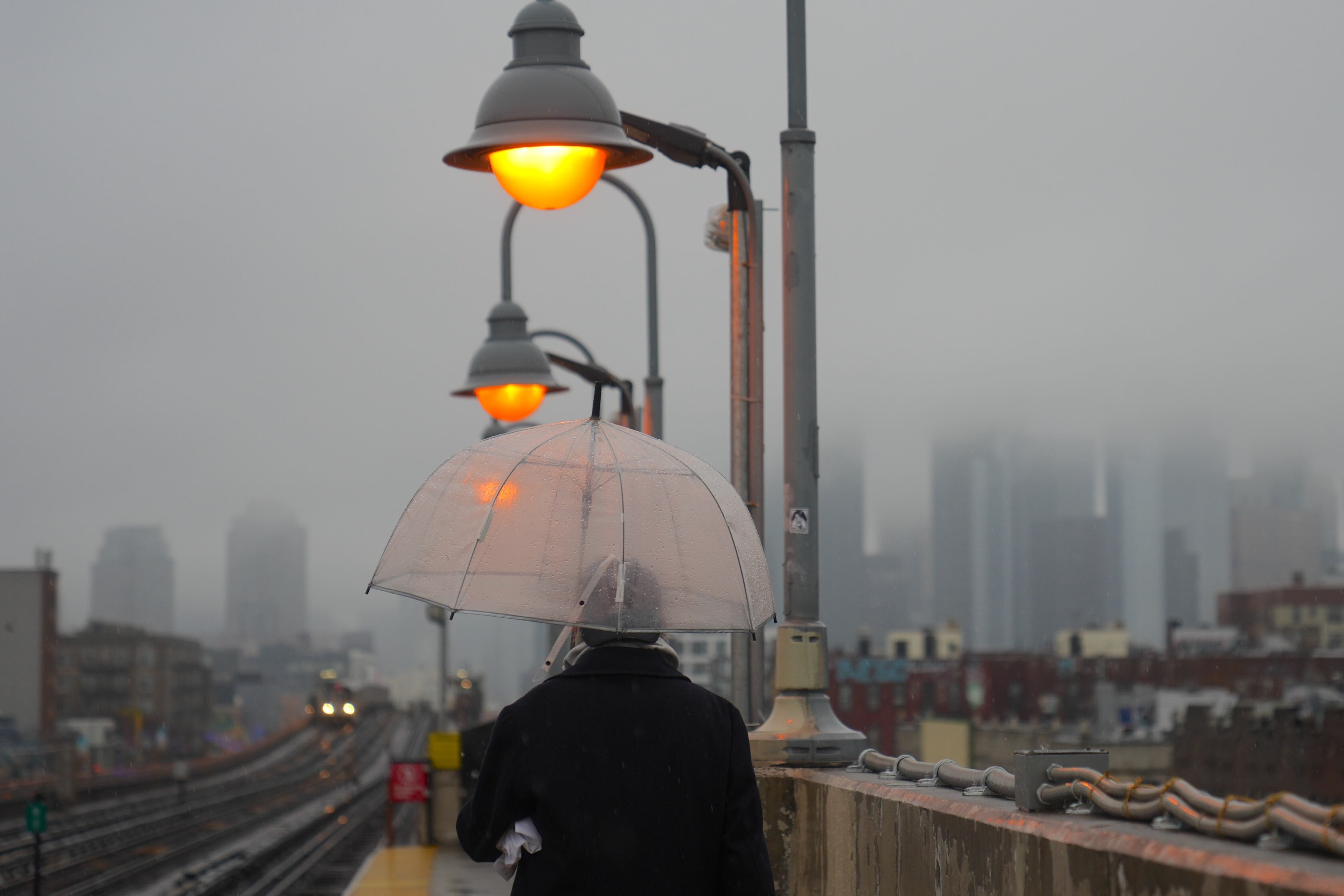
New York City officials downgraded the city’s drought warning to a watch on Monday, citing significant rainfall that has replenished upstate watersheds.
“Thanks to recent precipitation and melting snowfall upstate, in addition to our decision to pause the Delaware Aqueduct repair project, we’re in a much better place than we were a few weeks ago,” Mayor Eric Adams said in a statement.
Adams added that if favorable conditions continue, the city might be able to lift the drought watch, which is the lowest level of the city’s three water conservation declarations.
State officials also downgraded the drought warning in 10 upstate counties on Monday. Still, every county in the state remains under a drought watch, according to the state Department of Environmental Conservation.
New York City’s water supply — a network of upstate reservoirs — was at 68.2% of its overall capacity on Monday, compared to the typical 82.8%, according to city data. But following an exceedingly dry October, precipitation picked up in November and December, slightly surpassing historical averages. In Central Park, more than 2 inches of rain has fallen since Dec. 1, close to the normal amount of precipitation, according to the National Weather Service.
City and state officials had issued a drought warning for New York City and some upstate counties on Nov. 18, on the heels of an unusually dry autumn and as local wildfires raged. City agencies were directed to reduce water consumption, including by washing city garbage trucks, buses, and subway cars less frequently.
At the time, Adams also announced the pause of the final phase of the $2 billion project to repair the Delaware Aqueduct, a pipeline that delivers about half the city’s water supply. The repair project aimed to stop 35 million gallons of drinking water from leaking out of the pipeline every day — but the project forced the city to rely more on the Croton Watershed, which had received little rainfall.
In recent months, city officials have urged New Yorkers to take voluntary measures to reduce water consumption, including by taking shorter showers, flushing toilets less frequently, and reporting leaky fire hydrants. On Monday, city officials asked residents to continue to conserve water, despite the downgraded drought status.
“As we confront a changing climate, we need to use our natural resources more wisely,” Environmental Protection Commissioner Rohit T. Aggarwala said in a statement. “Continuing to practice water conservation is a sustainable habit valuable even outside times of drought.”
Earlier this month, Adams lifted the city’s previous ban on open flames and fireworks.
Eliza Fawcett is a reporter covering public health in New York City for Healthbeat. Contact Eliza at efawcett@healthbeat.org .