Public health, explained: Sign up to receive Healthbeat’s free Atlanta newsletter here.
As spring temperatures rise along with pollen counts in Georgia, the state is seeing a decline in winter respiratory infections.
Data from the Centers for Disease Control and Prevention show the amount of respiratory illness causing people to seek health care is low nationwide and in Georgia. Flu, Covid, and RSV emergency department visits are all low and decreasing.
However, wastewater surveillance data still show moderate rates of Influenza A and high rates of Covid in Georgia.
Flu health care visits are down
The CDC collects data about ILI, or “influenza-like illness,” visits to over 3,400 health care providers nationwide. The data track patients who show up with flu-like symptoms, including fever, sore throat, and cough.
Those numbers in Georgia show a downward trend over the past weeks, at 2.3% for the week ending April 12, down from a high of 8.8% in late January.
The decline is mirrored in a drop in the number of positive flu tests at selected labs in Georgia. That was down to about 4.6% for the week ending April 12, from a high of 27% in late January, according to the latest available data from the CDC. A total of 1,367 specimens from Georgia were tested in the week ending April 12.
That system has eight sites in Georgia, from Alma to Columbus to Gainesville, including the state public health lab in Decatur, according to the CDC.
CDC wastewater surveillance data set Georgia’s level for influenza A at moderate for the week ending April 12, down from “very high” in January and February.
Since the season started in October, flu has killed 138 Georgians, according to data from the state Department of Public Health. Most of the fatal cases occurred in people over 50. Three children under 18 years old also died.
Covid and RSV levels declining
Wastewater viral activity level for Covid is high in Georgia for the week ending April 12, according to the CDC. That’s down from “very high” in August.
When it comes to positive Covid tests, rates are down from their highest rate this season but still up over the start of the season in the fall, according to DPH data from Georgia clinical labs.
For the week ending April 5, 5.5% of Covid tests were positive. That’s down from over 8%, the highest point in December 2024, and March, according to DPH data.
It’s important to note this data does not reflect all Covid tests performed in Georgia, just those performed at certain labs.
Rates for RSV, or respiratory syncytial virus, which often hits young children and the elderly the hardest, are down, with a positivity rate for the week ending April 5 of 0.3%. They hit a high of 26.9% in late fall, according to DPH.
The CDC’s wastewater RSV activity in Georgia for the week ending April 12 is very low.
Proliferation of pollen aggravates allergies
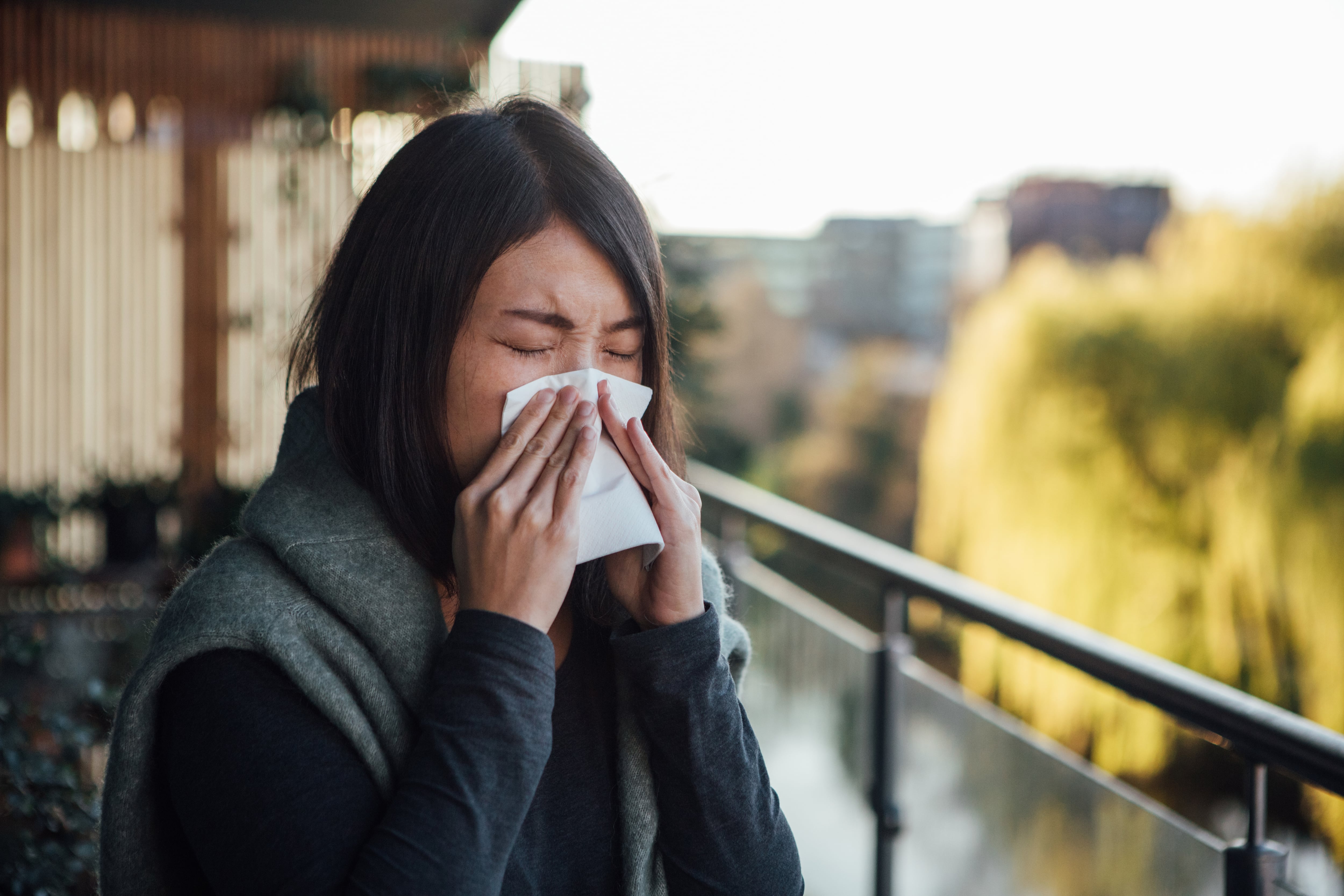
Meanwhile, people are sniffling, sneezing and even avoiding the beautiful Atlanta weather due to pollen rates, which have been high for several days over the past few weeks. The count, which tallies pollen from trees, grass, and weeds, ranged between 338 and 2128 this week.
Nurses who are certified pollen counters at Atlanta Allergy and Asthma count the pesky pollen spores daily. The clinic is the only National Allergy Bureau-certified pollen center in Georgia.
For Georgians, the pollen season appears to be lengthening, allergist Dr. Lily Hwang told Healthbeat recently.
“Our pollen is only going to get worse,” she said, adding that models predict an increase in severity and intensity until 2035. “They show that ragweed is moving more northward. We’re getting longer seasons. All these things are changing as we’re following them.”
Rebecca Grapevine is a reporter covering public health in Atlanta for Healthbeat. Contact Rebecca at rgrapevine@healthbeat.org.