Public health, explained: Sign up to receive Healthbeat’s free New York City newsletter here.
In early 2020, six months into my first full-time reporting job, Covid-19 tore across the United States. A journalist for the Hartford Courant in Connecticut, I was reassigned from state politics to public health. My world suddenly shifted from voters to ventilators.
Following that baptism-by-fire moment, I began to settle into the work of covering the pandemic as a local reporter. Over my years on the beat, I got to know doctors and researchers throughout the state as they struggled to understand a virus that changed at warp speed — and claimed patient after patient. As vaccines rolled out, I followed a fleet of nurses who went to the bedsides and kitchen tables of homebound residents, putting shots into arms. I memorialized residents who died, and wrote about the struggles of those who survived with lives irrevocably altered by long Covid.
I also covered the politicization of Covid-19 mitigation measures and the spread of misinformation. I reported on the successes of the state’s public health response, and the times at which it faltered and failed. And as a statewide crisis emerged in children’s mental health, I chronicled families’ desperate attempts to secure psychiatric care for their kids, only to encounter long waitlists and overwhelmed ERs. Above all, I tried to capture an unprecedented era — and help readers navigate it.
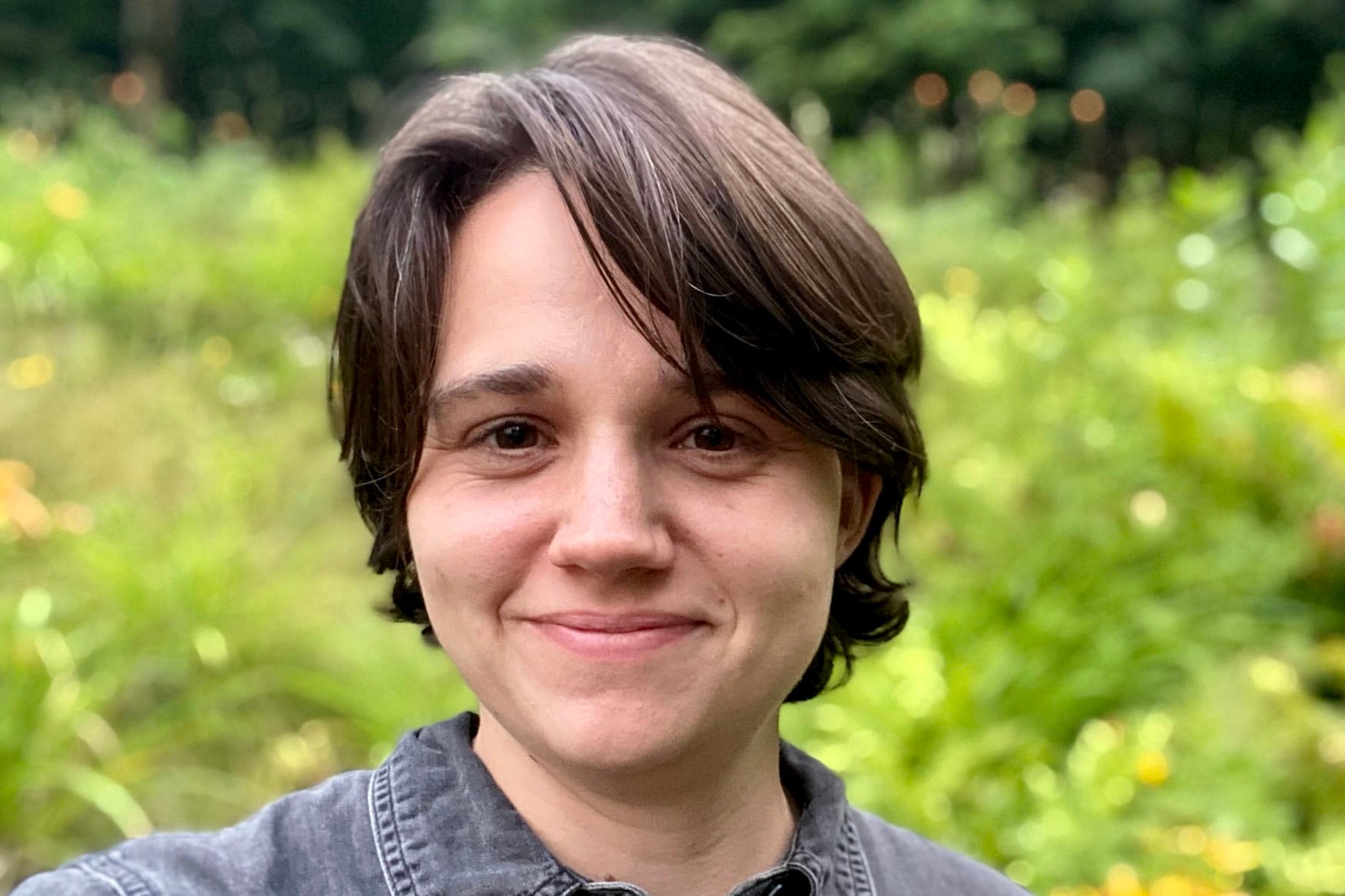
Four years into the pandemic, I’ve found my way back to my hometown to cover public health as Healthbeat’s first New York City reporter. Covid-19 remains with us, and much of what I learned as a reporter during those early years has stayed with me, too.
At Healthbeat, I aim to center the experiences of frontline health workers and those directly affected by public health issues. I intend to use all the tools at my disposal — interviews, research, data and public records — to help readers understand key topics in public health. And I hope to deliver vital accountability reporting on public health systems, which don’t have enough watchdogs — even in New York.
Before landing at Healthbeat, I covered national news as a fellow for The New York Times and worked as a freelancer in New York, investigating county jails for New York Focus and reporting on city news. I remain interested in the intersection of public health and criminal justice issues, as well as the opioid crisis, which I’ve reported on in Chicago and from a small corner of West Virginia.
Growing up in Brooklyn, I’ve seen firsthand the immediate devastation — and enduring public health ramifications — of many of New York’s greatest catastrophes, from 9/11 and Hurricane Sandy to Covid-19. The city is still grappling with the long tails of those crises as it prepares for the disasters of the future.
We face a slew of other pressing public health issues as well, from infectious disease outbreaks and environmental hazards in our air, water, and homes, to gun violence and the worsening effects of climate change. I’m keen to dive into those issues, and more, in communities across the city.
I’m eager to hear what you think I should cover, or anything that deserves a closer look. If you’d like to send a comment or question my way — or just say hi! — please reach out: efawcett@healthbeat.org.