This story was originally published by THE CITY. Sign up to get the latest New York City news delivered to you each morning. Public health, explained: Sign up to receive Healthbeat’s free New York City newsletter here.
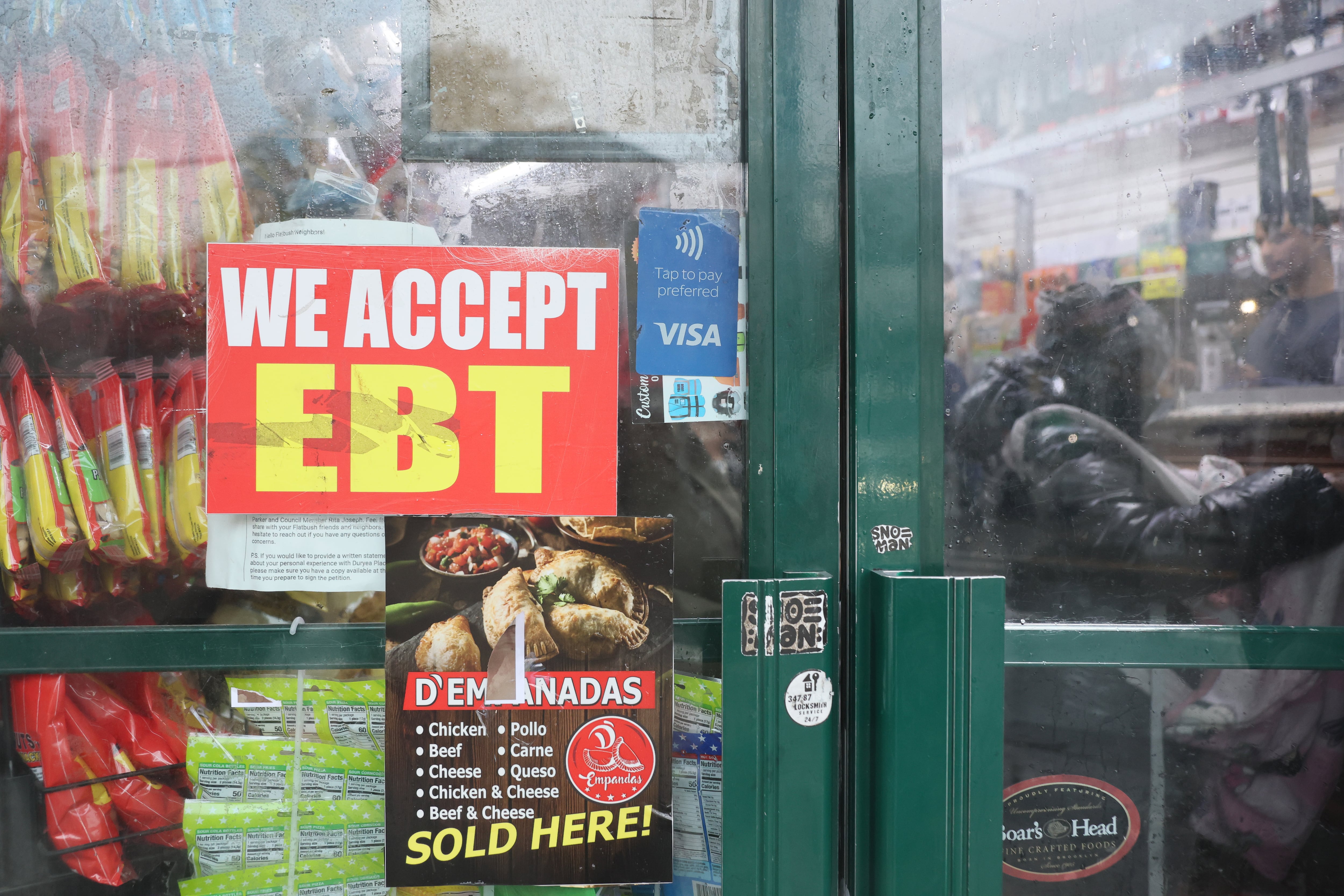
Some New Yorkers receiving food stamps must prove they are working, studying or volunteering for at least 80 hours per month or risk losing the benefit under new federal rules that began Sunday.
The changes immediately apply to approximately 123,000 able-bodied adults without dependents (ABAWD), according to the city’s Human Resources Administration. That number may rise as more people apply or recertify for benefits, the agency said.
New York, like many cities across the state and country, was left scrambling last year to adjust to the new requirements set by the Trump administration and to help those who will be affected by the changes to the Supplemental Nutrition Assistance Program or SNAP, also known as food stamps, keep their benefits.
No one will lose benefits immediately, said HRA administrator Scott French. Rather, March 1 is when the new work requirements are fully phased in, and recipients who fail to comply for any three months over the next three years would lose benefits.
The changes also apply to people previously exempt from work requirements, including homeless people and veterans.
In an interview with THE CITY, French urged people who believe they may be impacted by the changes to get in touch with the agency as soon as possible, either at an HRA office or through the agency’s online portal — and to respond to notices from the agency immediately.
“The most important thing that I think we can stress to folks is to reach out,” French said. “We don’t want people to not take action because they’re not sure what they’re supposed to do.”
The new work requirements apply to adults aged 18 to 64 who are able to work and do not live with a child under the age of 14. They can satisfy the work rules by doing paid work for at least 20 hours a week, with some exceptions; studying or learning job skills approved by HRA for at least 20 hours a week; or by volunteering.
Many ABAWD’s have already had to prove they are working long before the federal government enacted these changes, said Joel Berg, the CEO of Hunger Free America, a national nonprofit that helps people access SNAP benefits and provides other food assistance. He and other advocates fear that the additional paperwork will mean people who are entitled to their benefits may get kicked off based on simple human error.
“I call them work reporting requirements, because even people who are working have to actually report to the city that they’re working,” he said.
As the March 1 deadline neared, Berg described the emotions he’s heard from SNAP recipients and from community-based organizations that work with them as ranging “from focused determination to outright panic.”
“The bottom line is, this is a huge challenge,” he said. “We’re seeing that from the people we represent, from resignation, to reality, to true fear and worry and panic that some of the most vulnerable people are going to lose their main source of food.”
Rita Vega, who leads the housing and public benefits program at Legal Services NYC, said her group has also heard from older New Yorkers who have found themselves forced to return to work to keep their food stamps. The previous ABAWD rules applied to adults aged 18 to 54, but now adults up to age 64 will have to comply.
“Let’s say I’m 62, and I’m retired — do I still have to work in order to keep my SNAP?” said Vega. “I think people are grappling with these rules that are new to them, and facing these tough decisions themselves.”
Mamdani confident city will ‘meet the moment’
The changes stem from the “Big Beautiful Bill” that President Donald Trump signed into law last July, enacting more than $1 trillion in cuts to Medicaid and SNAP.
Though the federal government initially moved to enact those cuts — including the new work requirements — last fall, several states including New York successfully sued to extend waivers through February in order to give them more time to prepare for the changes.
Since last year, HRA and community-based organizations have been working around the clock to ensure SNAP recipients are aware of the changes, and have stepped up their efforts to help people enroll in workforce development programs. The agency and its partners have also encouraged SNAP recipients to check if they may qualify for medical waivers that exempt them from the work rules.
To date, HRA has held 14 training sessions with its community partners and trained more than 400 people on the new SNAP policy changes, according to the agency.
French, the HRA administrator, was unable to say how many of the 123,000 people the agency identified and reached out to had responded and updated their paperwork, or to say how many were placed in workforce development programs thanks to the agency’s efforts.
“We feel prepared right at this moment, but it’s obviously something that we’re going to track as implementation continues, and make sure that we’re tracking trends and looking where we may need to enhance outreach efforts,” he said.
At an unrelated press conference on Friday, Mayor Zohran Mamdani acknowledged the increased burden on HRA but said he is “confident” in the agency’s ability to “meet the moment, and in our city administration’s commitment to helping them do so.”
Vega, from Legal Services NYC, said that while she commended the city’s efforts to inform people about the changes, the coming months will show if those efforts have been sufficient.
“That may be where the turbulence is. If something is lost in the process, that’s where we know our clients may actually be at risk of losing their benefits,” she said.
Berg from Hunger Free America said the state and city can do more to help, from working with the private sector on jobs programs to partnering with more nonprofits on a comprehensive plan to ensure people keep the benefits they need.
The group has called on state lawmakers and Gov. Kathy Hochul to authorize funding to help anyone who is kicked out of SNAP because of the changes.
“We really need an all-hands, multi-agency state and city response,” he said. “And the truth is, we can’t rely on any help whatsoever from the federal government.”
Additional reporting by Samantha Maldonado.
Claudia Irizarry Aponte is a senior reporter covering labor and work for THE CITY.