
Healthbeat Live
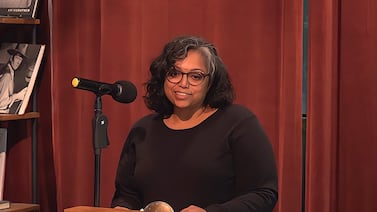
The scope of public health can make it seem as though individuals have little effect. Then a moment will remind me what underpins all of it are the individuals themselves – their stories, and everything that led to whatever moment we are in.

Healthbeat Atlanta reporter Rebecca Grapevine became a health journalist after working abroad in a clinic, then back home. Here's what she learned.
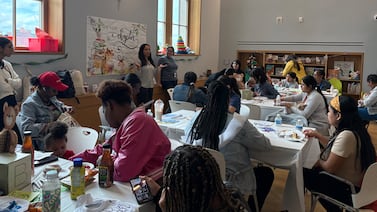
The founder of Saving Mothers in New York shares a story that highlights the shared experiences of giving birth, no matter where on Earth you live, but also the wide discrepancies in available birth care.
For some, attending the meetings was no longer simply about having access to cool science, it was now also about having access to a safe space where — in a world that was increasingly trashing public health and public health professionals — they could feel seen, heard, supported, and not so alone.
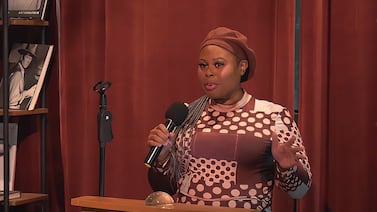
One day at Jackie Robinson Park, a longtime resident approached me and said, 'I see you out here every month. Whatever you’re doing — it’s working. My grandkids are back on the swings.'

I had lived through the transformation of HIV in the United States — from a death sentence to a manageable chronic illness. Now, I had the privilege of witnessing that transformation again, on a massive scale.
I came to a town hall meeting to talk about facts. Residents came to talk about injustice. That was the night I learned that relationships always come first, and facts come second.
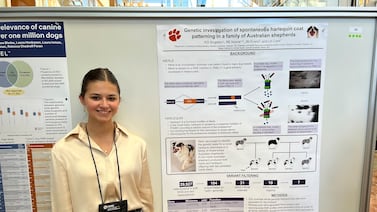
Days after my 18th birthday, I had a seizure in a lecture hall of 300 people. My introduction to Clemson University and collegiate life involved an ER trip and a big unanswered question: What caused the seizure?
A client told me that knowing I was there for her made her feel less alone. The conversation I had with her that day was like many others, but it felt special to me, a reminder that having compassionate peer support in health care truly makes a difference.
I’ve been working in addiction counseling for a long time. And every now and then, a story sticks with you. This one — this one stuck.
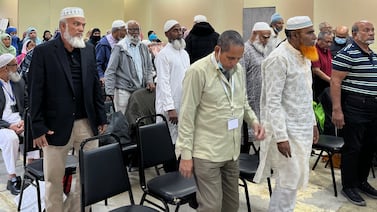
I understood dementia in theory. But when it hit home — my home — none of the textbooks could prepare me for that pain. And what hurt most was this: There was nowhere for my father to go.
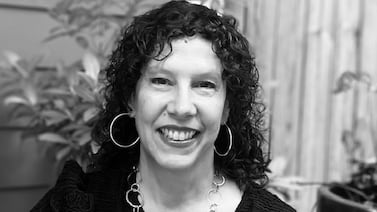
I saw a client that morning, wound tight with despair. I ushered him inside and sat with him. He cried; I listened. When his sobs finally slowed, he began to speak. The words he whispered that day have stayed with me ever since.
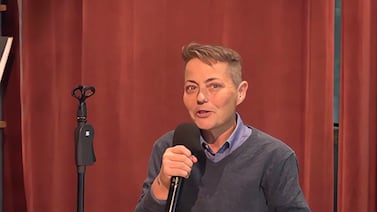
A kid forgets breakfast and can't focus: blood sugar. Another keeps his head down: exhaustion. One loses a cousin to gun violence: trauma, grief, and community health.

The British Consul General to the Southeast U.S., based in Atlanta, shares a story from her global health work in the Balkans, where a program to install doors on toilets in schools grew into other projects that became a lifeline for women.
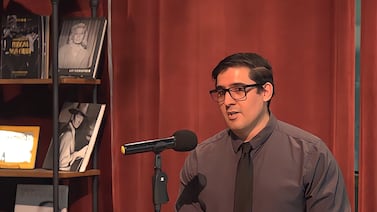
A physician with JASA, which serves older adults in New York, learns the power of patience and persistence.
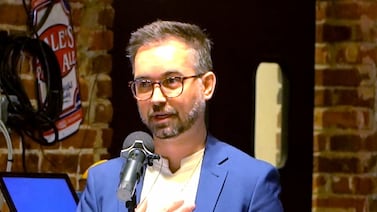
A scientist recalls watching the movie and realizing he didn’t want to be the person who knew how government was controlled, but rather the person who was on the ground with the people affected.
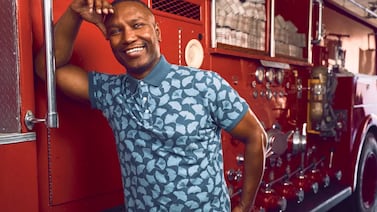
An Atlanta firefighter working an EMT shift recalls an encounter with 'Ms. Mary' that showed him what care should look like.
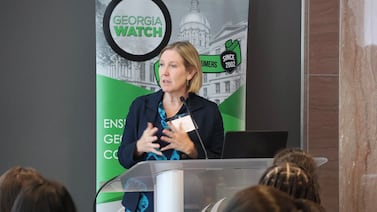
An Emory University researcher gave birth in the wake of Hurricane Ivan. The experience moved her to focus on addressing disparities in maternal health, especially in emergency preparedness.
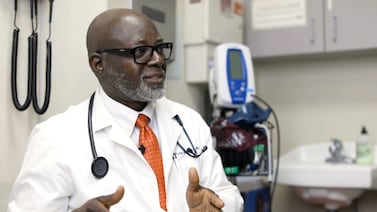
A DeKalb Department of Health official recalls an 'aha' moment in his previous global health work that transformed his perspective on the impact of seemingly small acts of service.