Public health, explained: Sign up to receive Healthbeat’s free Atlanta newsletter here.
Several public health bills have made significant progress toward passage in the Georgia General Assembly, including help for nurses facing addiction, a pathway for foreign-trained doctors to practice, and a measure allowing pharmacists to prescribe HIV drugs.
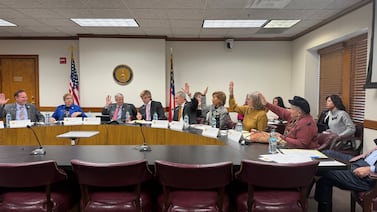
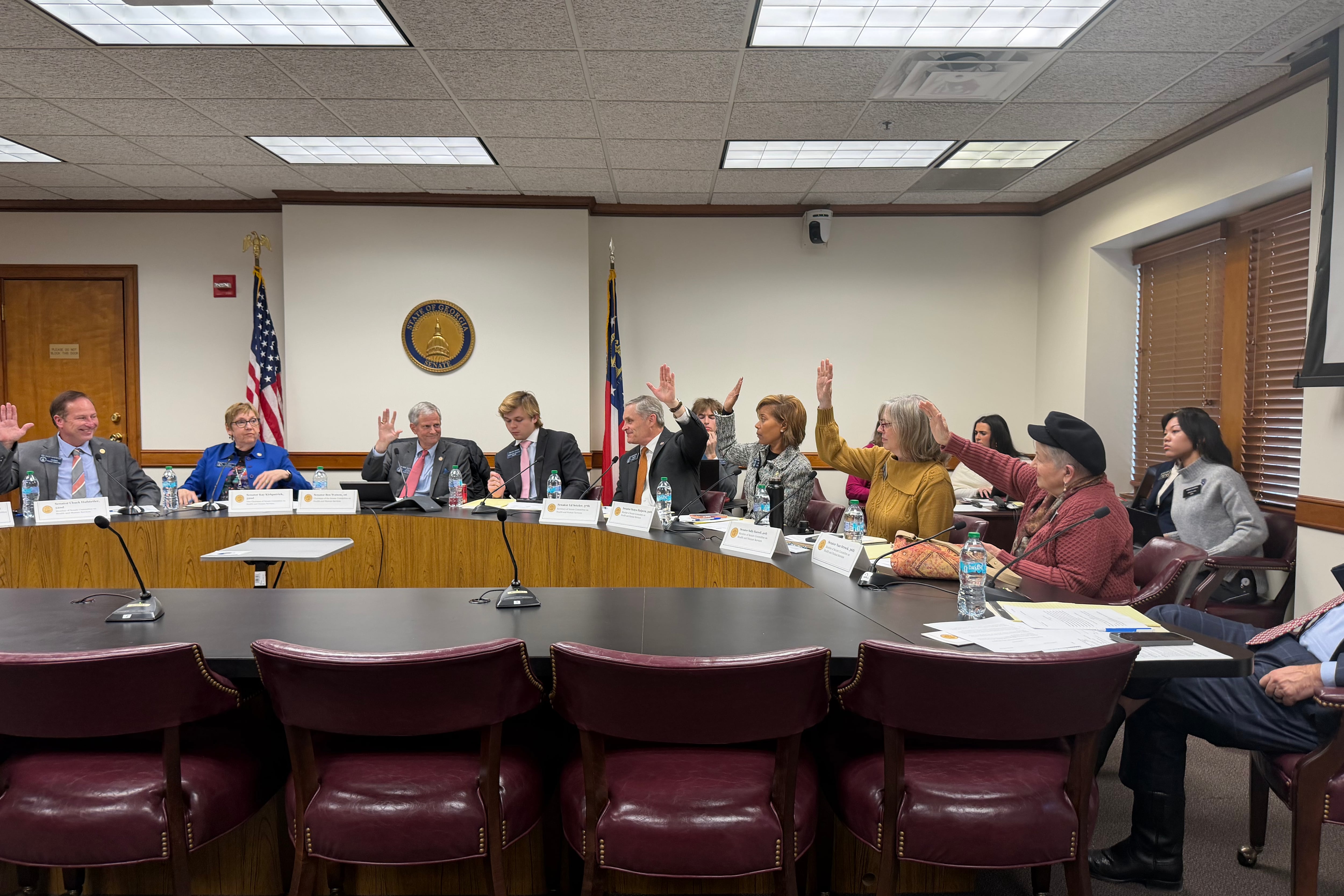
They are among the bills that survived Friday’s “crossover day” deadline, when they move from the House of Representatives or Senate where they originated to the other chamber for debate. Once they pass the opposite chamber, the bills go to Gov. Brian Kemp for his signature.
A bill that would have barred elected officials from doing business with the state government failed to pass before the deadline.
The bill – while not focused solely on health care – had the potential to shape the future of Georgia gubernatorial hopeful Rick Jackson’s millions of dollars in health care contracts with the state government if he is elected in November.
However, it failed to gain a needed vote in the House. While the standalone bill is dead for now, it could be appended to another piece of legislation and gain passage before the session ends on April 2.
Here are where some other public health bills stand.
These public health bills are moving ahead
- Helping nurses facing addiction: A bill that would create an “alternative to discipline” system for Georgia nurses facing substance use struggles awaits a Senate floor vote after getting House approval last year and a Senate committee’s support last month. The measure would allow nurses to privately get help for addiction without impacting their nursing licenses as long as they stay on track with treatment. It emulates programs in many other states. (HB 219)
- Improving benefits for public health workers: Many Georgia public health workers are employees of county governments, and if they move on to work at the state public health department, they lose the seniority they’ve accrued in terms of paid time off. This bill would fix that so experienced public health workers have an incentive to work for the state. The bill grew out of a House study committee that looked at how to improve Georgia’s public health system last year. (HB 1096)
- Certification for community health workers: Advocates want the state to create a formal certification for CHWs who help patients navigate the medical system and access services. A bill to do that gained House approval last year and now needs approval from the Senate Health and Human Services committee and the full Senate. Advocates say certifying CHWs would add respect and regularity to the profession and could be a first step toward getting Medicaid reimbursement for the services they provide. (HB 291)
- Easing foreign doctors’ paths to practicing in Georgia: This bill would streamline the process for doctors trained abroad who lawfully reside in Georgia to practice here, a move advocates say could help address the state’s doctor shortage. It creates a phased system so that doctors could practice under local supervision before advancing to a full medical license, with requirements to practice in underserved areas. Past versions of the bill were sponsored by Democrat Sen. Kim Jackson but this year it picked up the backing of powerful Republican Sen. Ben Watson, a Savannah doctor, and breezed through his chamber. It now needs the approval of the House Health committee and then the full House. (SB 427)
- HIV drugs at pharmacies: Pharmacists could prescribe HIV prevention drugs, which advocates say would increase access and could decrease Georgia’s high rate of new infections. The House and Senate have voted in favor of the bill; now the Senate needs to grant approval to the amended version. (SB 195)
- Birth control at pharmacies: Pharmacists could dispense birth control pills and hormonal birth control shots like Depo-Provera. The bill would also require insurers to provide up to a year’s supply of the drugs at a time, which would help increase access, sponsor Rep. Beth Camp, R-Concord, said. Most other states have similar provisions. The legislation would require pharmacists to provide patients with materials about the drugs as well as a statement that abstinence is the only method that is fully effective in preventing pregnancy and sexually transmitted diseases. The bill next needs the approval of the Senate Health and Human Services committee. (HB 1138)
- High school cellphone ban: This bill would extend a K-8 cellphone ban set to take effect in the next school year to the high school level, a move Georgia parents supported in a recent Emory University poll. The House voted in favor of the measure and it now must gain the approval of the Senate Children and Families committee before advancing to the Senate for a floor vote. (HB 1009)
- Stiffer penalties for insurers that don’t cover services: Georgia passed a landmark bill in 2022 that required insurers to provide mental health services at the same level they provide medical services. That bill included penalties for insurers who do not do so. This year, a bill that would increase some of those penalties, especially for insurers who do not provide required data on mental health parity or follow the state’s “surprise billing” laws, breezed through the House. It now needs Senate approval, first from the Insurance and Labor committee and then the full Senate. (HB 1262)
- Closer look at sickle cell disease services: This bill would require the state Department of Community Health, which administers the Medicaid insurance program for low-income residents, to annually review whether the services and medication it offers are sufficient to meet the needs of people living with sickle cell disease. Georgia has the fourth highest-burden of sickle cell disease among U.S. states, according to one estimate.The bill now needs the support of the Senate Health and Human Services committee and then the full Senate before it can be sent to the governor’s desk. (HB 334)
- Cleaning-up obsolete public health laws: This bill would “clean up” and modernize older sections of the law to better match current conditions. For example, it eliminates certain reports and committees that are no longer active. And it eliminates a 1973 requirement that couples who register for a marriage license must receive a Department of Public Health “marriage manual” with information on family planning. The measure now awaits a floor vote in the House before being sent to the governor’s office. (SB 440)
These public health bills are unlikely to move ahead
Some bills failed to get approvals by the crossover deadline. That means they’re unlikely to move ahead, although there are procedural tactics that could revive them.
- Ivermectin will not be available over the counter. This bill, sponsored by Rep. Karen Mathiak, a Griffin Republican, would have allowed pharmacists to provide the anti-parasitic drug that has been falsely touted on social media for human cancer and Covid treatment despite a lack of scientific evidence for those uses. The measure got the approval of a House committee but failed to get a needed floor vote. (HB 1089)
- Plans to increase tobacco taxes fail. Georgia has the second-lowest tobacco tax rate in the country. Public health advocates say increasing taxes could reduce the number of people who smoke and reduce the state’s health care costs. Rep. Michelle Au, a Democratic doctor from Johns Creek, last year proposed bills to increase taxes on cigarettes and vape products. Neither received a committee hearing, meaning they are effectively dead until next year. (HB 83; HB 84)
Other Au bills that would have banned the sale of flavored vape products and required vape manufacturers to disclose ingredients also failed to get committee hearings. (HB 958; HB 959)
- Maternal mental health improvement. This bill would have required health care providers to screen pregnant women for mental health concerns at least five times, starting with the first prenatal visit. Insurers would have been required to cover those screenings and treatment, and the Department of Community Health would have had to track maternal mental health quality metrics. The bill gained unanimous support in the House Health committee but failed to get the floor vote needed to advance. (HB 1346)
Rebecca Grapevine is a reporter covering public health in Atlanta for Healthbeat. Contact Rebecca at rgrapevine@healthbeat.org.