Public health, explained: Sign up to receive Healthbeat’s free Atlanta newsletter here.
As Georgia schools move to enact cellphone bans during the school day for students in kindergarten through eighth grade, results of an Emory University survey released this week found strong parental support to expand the ban to high schoolers.
Nearly 71% of the parents polled said they support a ban at the high school level, many citing the belief that it would help improve their children’s academic focus, in-person socializing, and mental and physical health.
Among the 29% who oppose such a ban, three-fourths cited concerns about being able to reach their child during an emergency as the top reason.
Julie Gazmararian, a professor of epidemiology at Emory’s Rollins School of Public Health who is researching how Georgia school districts implement the ban, said those concerns are easy to address: Schools can ensure they have a way to rapidly contact parents in case of emergency and that pouches or lockers where students store cellphones can quickly be unlocked.
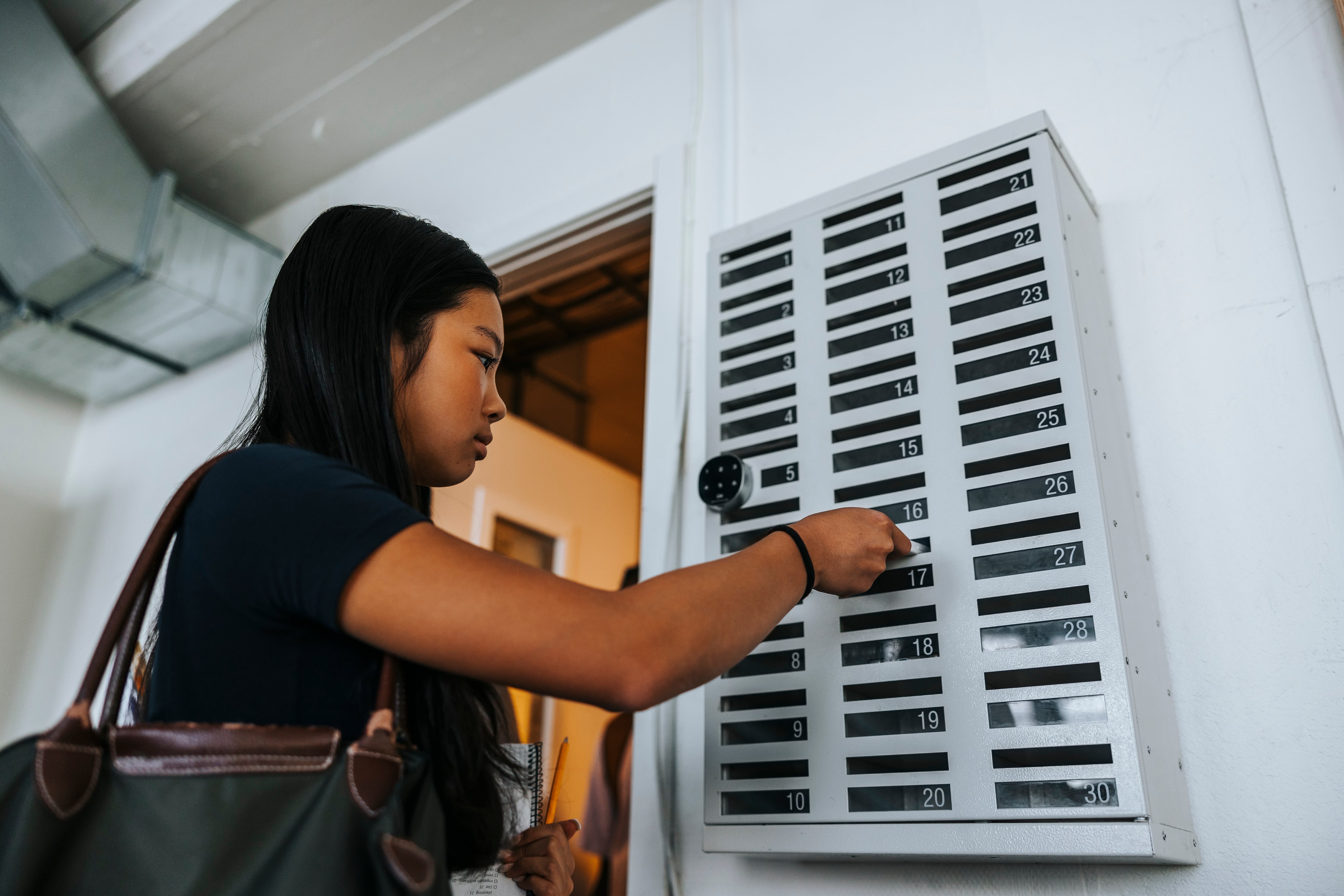
The state’s cellphone ban for younger students will take full effect before the next school year starts in the fall, but many districts have already implemented “bell to bell” bans. Districts can choose how they limit access – requiring students to keep phones in their lockers, using locked pouches, or storing them in a dedicated place.
State Rep. Scott Hilton, a Republican from Peachtree Corners, this month filed a bill to expand the ban to high schoolers effective at the start of the 2027 school year.
Hilton said he was spurred to action by the “tremendous results” seen in districts that have adopted the ban: “Kids are socializing and interacting.”
Gazmararian said middle school students and parents in Marietta City Schools have been pleased with that school’s ban.
“We found teachers reporting that it was like a totally different school, where kids were talking to each other, they’re interacting, they’re having conversations at lunch, and in the classroom, they’re much more engaged, and they don’t have the same distraction” or discipline problems, she said.
Students also reported liking the ban and that it had encouraged them to interact more with fellow students, Gazmararian said.
Cellphone use is a public health concern for children and teenagers. Social media use is linked to being bullied, feelings of sadness and hopelessness, and increased suicide risk in youth, according to 2023 data from the Centers for Disease Control and Prevention.
“The alarming rates of people with depression and anxiety and loneliness are all public health issues,” Gazmararian said. Excessive cellphone use also negatively impacts students’ sleep and physical activity.
Social media lead children and teenagers to compare themselves to others in an unhealthy way, Gazmararian said. “It’s such a tender age,” she said of the teenage years.
Parents mirrored some of those concerns in the Emory survey. Chief concerns driving support of the school day cellphone ban included the amount of time children spend on their phones (53.7%); that children are distracted from sleep, school, or physical activity (51%); and that they may be accessing harmful content (50.7%).
Other reasons parents cited for opposing a ban were that it should be a parental choice, that students need phones for health tools or schoolwork, and the idea that students need to learn responsible use.
Only 11.9% of parents said they had no concerns about their children’s cellphone use.
Emory’s data come from a population-representative survey of 1,002 Georgia parents conducted from Oct. 30 to Nov. 24 by the Emory Center for Child Health Policy.
There are steps districts can take to make the transition to a no-cellphone policy easier for students, Gazmararian said. Those include giving parents and students plenty of advance notice, collecting input from parents and students, and establishing clear procedures for handling emergencies.
School mental health staff need to be prepared to work with students who become anxious because they can’t reach their parents or for other reasons, she said.
Rebecca Grapevine is a reporter covering public health in Atlanta for Healthbeat. Contact Rebecca at rgrapevine@healthbeat.org.