Public health, explained: Sign up to receive Healthbeat’s free Atlanta newsletter here.
Even as one of the most severe Georgia flu seasons in recent years continues to recede, health workers in the metro Atlanta area continue to express caution about respiratory, vaccine-preventable diseases.
Throughout March, hospitalizations and health care visits for flu have continued to decline in the state, according to data from the Centers for Disease Control and Prevention. Although there were some signs that local Covid cases could be on the rise, this week’s CDC wastewater update indicates that the virus’ levels are beginning to drop.
These declines represent a shift from a flu season that has killed 130 Georgians since early October, according to the state’s Department of Public Health. The agency’s archives indicate it’s the highest number of seasonal Georgia deaths through the last week of March since 2018.
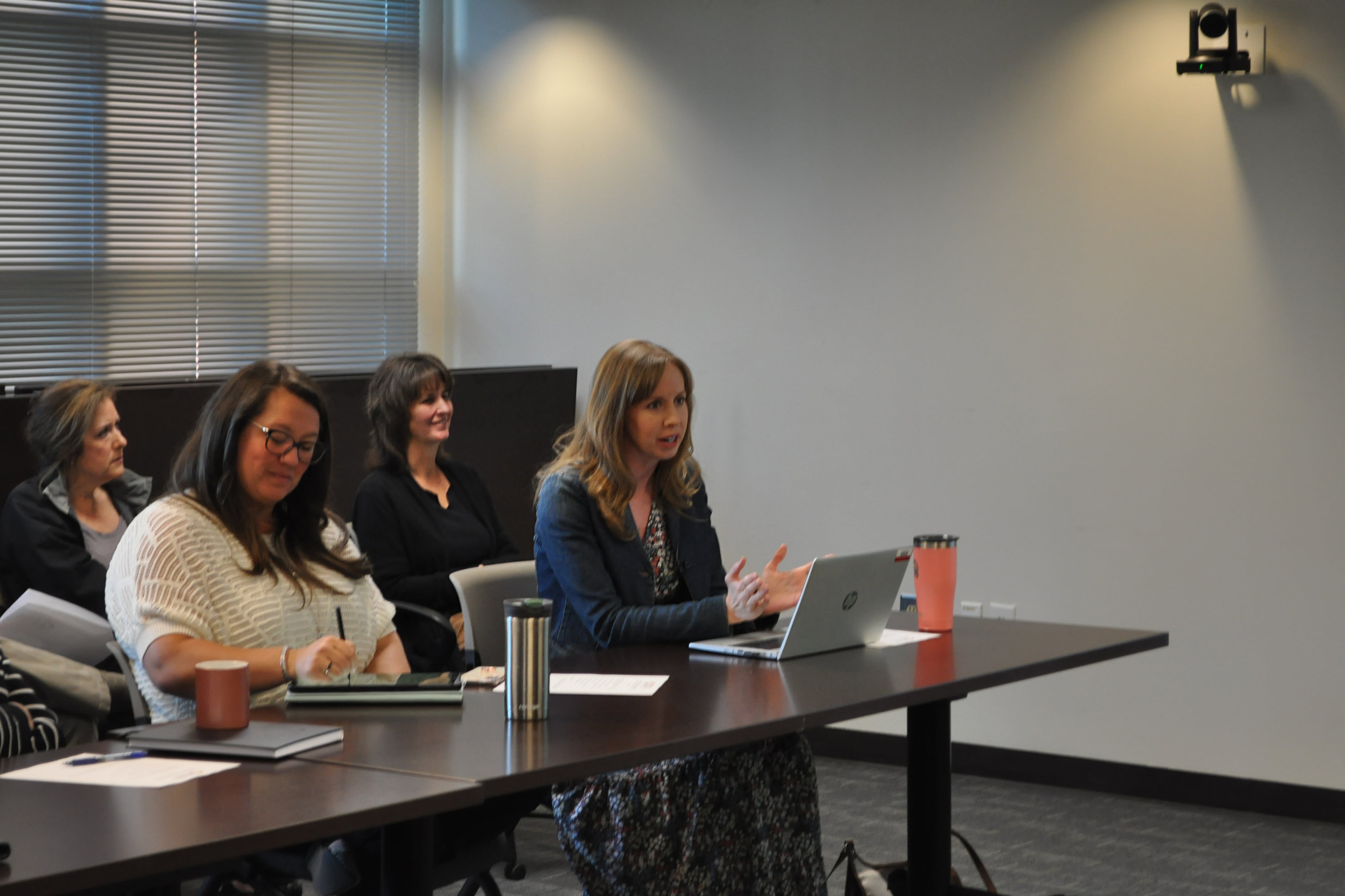
“Hopefully we won’t have any more flu activity,” Cobb and Douglas Public Health epidemiology director Rachel Franklin said at Thursday’s Cobb County Board of Health meeting. “Sometimes we see a little bump in the springtime with flu B. But so far, we’re looking pretty good.”
The CDC recently estimated that under 40% of adults in the state have been vaccinated against the flu this season. At the Cobb County meeting, local health director Dr. Janet Memark said under-vaccination against other preventable diseases could lead to a rise in a variety of sicknesses in the near future.
Memark and Franklin spoke about recent measles outbreaks throughout the United States, including along the Texas and New Mexico border that have infected at least 444 residents. They highlighted the Georgia cluster from earlier this winter, which Franklin said was contained to just three children, and a 2019 outbreak that was centered in Cobb County.
Memark said public health investigators like herself contacted over 3,000 people in the 2019 outbreak.
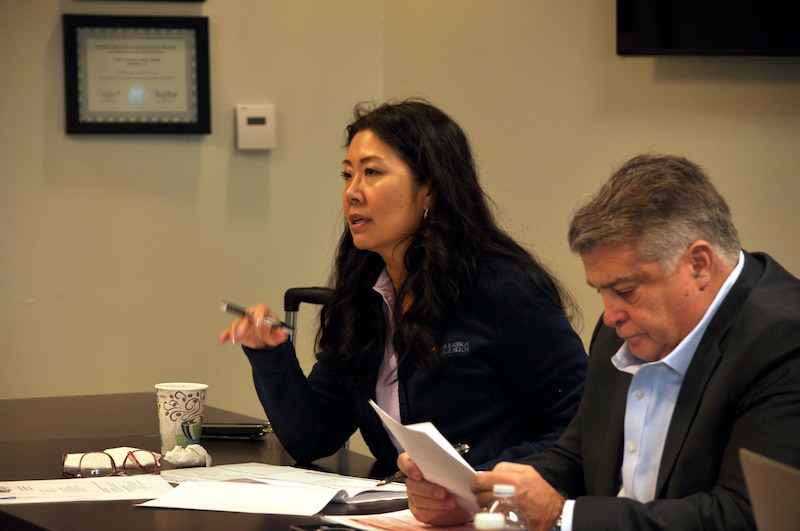
“We’ve already had multiple outbreaks in the metro area,” she told the board. “So please, get your kid vaccinated and make sure you follow the recommendations.”
She also brought up a rise in Georgia cases of pertussis, also known as whooping cough. In adults, the disease can cause coughing fits severe enough to induce vomiting or crack ribs. In babies, the bacteria can stop them from breathing.
As of Thursday, the Georgia DPH had identified 125 confirmed or probable cases of whooping cough this year, according to agency spokesperson Nancy Nydam. That puts on the state on pace for more cases than in 2024, when the health department warned about a rise in the disease.
The CDC recommends a series of whooping cough vaccines for children and a single shot for some adults, like people 65 or older and health care workers who are frequently exposed to the disease. Dr. Paula Greaves, a Cobb County Board of Health member and an OB-GYN at WellStar Health system, said at the Thursday meeting the case increase is a good reminder for expecting parents to get vaccinated
“If you’re seeing an uptick in pertussis, then that means that we have to uptick our campaign for prevention,” she told Memark.
Allen Siegler is a reporter covering public health in Atlanta for Healthbeat. Contact Allen at asiegler@healthbeat.org.