Public health, explained: Sign up to receive Healthbeat’s free national newsletter here.
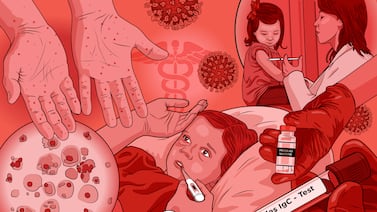
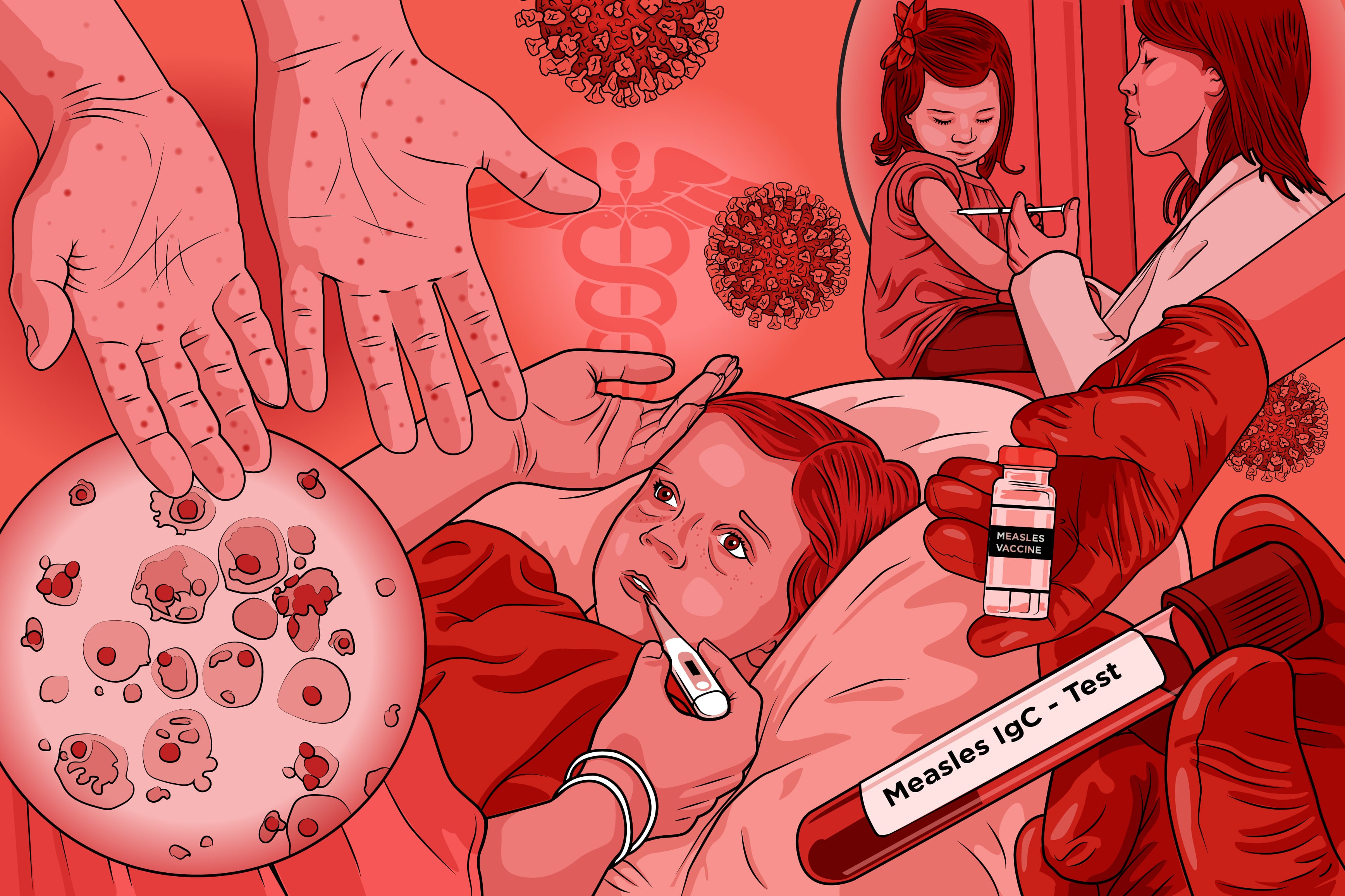
How and where an unvaccinated Georgia resident recently became infected with measles remains unknown and multiple unvaccinated people continue to be in quarantine because they are at risk of developing the disease, according to the state’s health department.
It is unknown whether the person – a resident of Bryan County, near Savannah – became infected in Georgia through undetected measles spreading within the state, or if the infection occurred during recent travel to Washington, D.C., the Georgia Department of Public Health said Thursday in response to questions from Healthbeat.
“We cannot definitively determine whether the individual was infected in Georgia or during travel, but there is no record of exposure to a known case of measles,” said department spokesperson Nancy Nydam Shirek.
The District of Columbia has reported no confirmed cases of measles through Feb. 26, according to the Centers for Disease Control and Prevention. While the D.C. health department has issued alerts about infectious visitors potentially exposing others to measles at events in the nation’s capital, the Georgia person didn’t attend any of those kinds of gatherings, Nydam Shirek said.
Nationwide, the United States is on track to have another record year of measles cases. During 2025, there were 2,281 confirmed measles cases across the country, according to the CDC. In just the first two months of this year, the CDC has confirmed 1,136 measles cases.
While infectious, state health investigators determined that the Bryan County resident exposed “several dozen” other people in Georgia to the highly contagious measles virus. Most were protected against the disease with up-to-date vaccinations. However, “fewer than 20” were not vaccinated against measles and are in quarantine or under active monitoring, Nydam Shirek said.
While it usually takes about seven to 14 days after exposure for an infected person to start showing symptoms of measles, it can take as long as 21 days. The incubation period for those exposed to the Bryan County person ends on March 15, Nydam Shirek said.
“To date, there are no reported cases of secondary measles infection,” she said.
The department has not announced any locations of public places where the infected person exposed others to the virus. According to media reports, officials at Bryan County Schools last month notified parents that the infectious person was at Bryan County Middle High School on Feb. 13. The district’s spokesperson, Melissa Roberts, did not respond to Healthbeat’s questions on Wednesday and Thursday.
Nydam Shirek said the state health department does not issue public notifications about school exposure incidents. “When there is a school exposure, the communication comes from the school, not DPH,” she said. In other states, such as South Carolina, which is experiencing a major outbreak, the health department also alerts the public about school exposures.
There were no other public locations, such as restaurants or stores, where exposures occurred, Nydam Shirek said, and all people who were exposed have been notified.
So far this year, Georgia has identified one other measles case. It involved a baby who was too young to be routinely vaccinated against measles who became infected during international travel, state health officials said in January.
Alison Young is Healthbeat’s senior national reporter. You can reach her at ayoung@healthbeat.org or through the messaging app Signal at alisonyoungreports.48.