Public health, explained: Sign up to receive Healthbeat’s free Atlanta newsletter here.
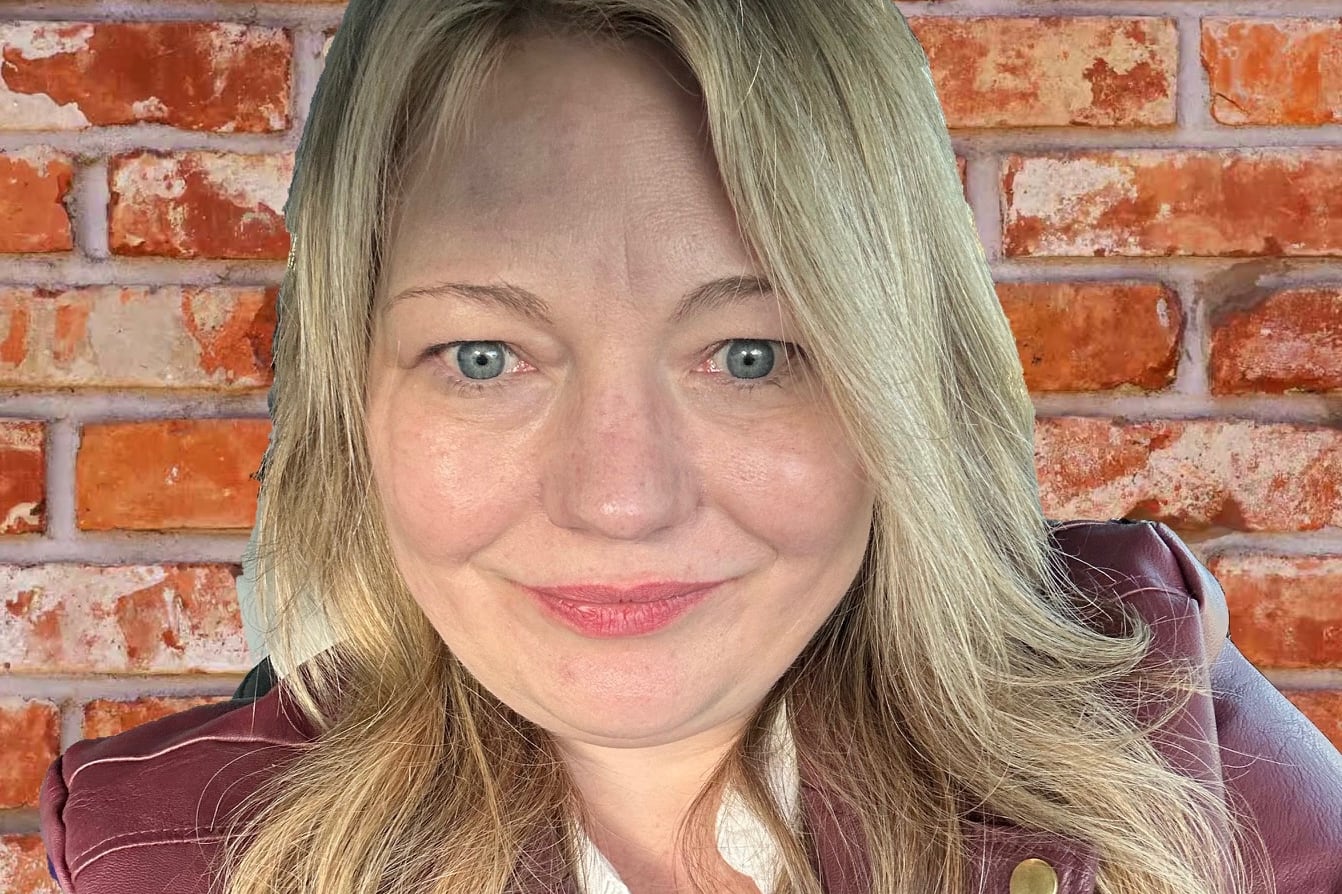
You can go home again, it turns out.
After graduating from Chamblee High School in 2000, I left Atlanta. My plan was to live a life doing exciting things far away from my hometown.
I managed to do that, eventually finding my way to health care work in rural India.
But as is so often the case, the farther away you go, the more you realize how much your home has shaped you.
My love for learning new languages and trying to understand other cultures — that was forged by my years in DeKalb County’s public schools.
My desire to help make the world a healthier and more equitable place was clearly shaped by growing up in the shadow of the Centers for Disease Control and Prevention.
I wanted to learn others’ stories and try to write some of my own. Is there anything Southerners love more than a well-narrated tale, with lots of juicy details?
When I returned to Atlanta in 2017, I embraced the city.
I picked up a job in Atlanta emergency rooms. On my time off, I soaked in the local culture: comedy, live music, plays, and the symphony.
At work in the ER, I had a backstage pass to another Atlanta, the one where doctors and nurses and police officers and EMTs and anxious parents and people in pain strove to choreograph services to preserve life and health.
That real, complex emergency room dance is an unfiltered view of people from every background struggling with serious challenges. It could be upsetting, but it was also inspiring and highly educational.
When the Covid-19 pandemic hit, I decided it was time to take what I’d learned and start writing. I have a unique perspective on how the health care system worked and didn’t. I was fortunate to find a home at Georgia Health News, which is now part of KFF Health News, Healthbeat’s national reporting partner.
I went on to report on health, government and more for other outlets, including Decaturish, the Atlanta Business Chronicle, and Capitol Beat News Service.
Almost five years later, it’s still thrilling to report on Atlanta. I hope to take everything I’ve learned about public health and tell interesting stories for Healthbeat. I’d like to help explain the public health system, highlight the people and organizations who are finding solutions, and ask tough questions about how the system works or doesn’t.
Most of all, I want to hear what other Atlantans think about our public health system. What’s working and what isn’t? What challenges do we face, and what do Atlantans hope for from their public health system? What stories aren’t being told?
My inbox is open for questions, story ideas and thoughts (RGrapevine@healthbeat.org) and you’ll see me out and about at community events.
I’m looking forward to meeting you.