Public health, explained: Sign up to receive Healthbeat’s free Atlanta newsletter here.
Georgians who rely on state programs for food assistance and child care – and the public health benefits that come with them – will likely lose access to those services on Saturday due to the government shutdown.
SNAP – the Supplemental Nutrition Assistance Program – helps about 1.4 million people in Georgia with monthly funding to purchase food. SNAP will run out of funds on Saturday. About 45% of those enrolled are 17 and under, said Ife Floyd Finch, director of economic justice at the Georgia Budget and Policy Institute.
She and other advocates say the state should draw on its $14.6 billion budget surplus, about $9 million of which is undesignated, to extend food assistance, Floyd said. That could easily cover the estimated $265 million monthly cost for Georgians on SNAP. Floyd said Gov. Brian Kemp could either declare a state of emergency to address the issue or call a special session of the legislature to appropriate the funds.
Kemp’s office blamed Democrats for the shutdown and said Thursday in a statement that the federal Office of Management and Budget has said states will not be reimbursed for covering SNAP costs.
“While they waste time playing the blame game, my office is in contact with food banks, nonprofit organizations, and community partners across the state to hear feedback on how the shutdown is affecting them and to assess current demand,” Kemp said in the statement.
“But the only way to quickly and effectively resolve this issue is for Democrats to vote to reopen the federal government immediately.”
The statement urged Georgians to call Sens. Jon Ossoff and Raphael Warnock and tell them to reopen the government.
A group of Democratic-led states has challenged the Trump administration’s refusal to use federal funds to continue the November payments for SNAP in federal court.
In Georgia, SNAP enrollees can use funds that are already on their cards to continue to purchase food, but November funds will not be added to the cards.
WIC funds may last a couple more weeks
WIC, the Special Supplemental Nutrition Program for Women Infants and Children that helps families pay for healthy food for children under 5, as well as pregnant, recently pregnant, and breastfeeding mothers, is also on the brink of losing funds.
There are 248,506 enrollees in the program, which is administered through the Georgia Department of Public Health.
DPH spokesperson Nancy Nydam Shirek said the agency projects the program has enough funds to continue through mid-November.
“A break in WIC benefits could occur due to an extended federal government shutdown,” she said. The agency is looking at options for extending WIC benefits for as long as possible, and participants are urged to continue showing up at appointments and using their eWIC cards as normal “until otherwise directed.”
The loss of food aid could have negative consequences for children’s health and education, said Mindy Binderman, executive director of the Georgia Early Education Alliance for Ready Students, a nonprofit advocacy group.
An Emory University survey of 987 Georgians conducted between January and March found that more than 36% of Georgia households with children are food insecure.
“If they don’t get the right nutrition, they can face conditions, things like anemia, asthma,” she said. “It can impact how brain development is affected, how they grow.”
People may have to choose between paying for food and paying for needed prescriptions, Floyd said.
Some Head Start programs will have to close
A third program that supports Georgia families – Head Start – will also be unable to access funds after Friday. Five of Georgia’s Head Start programs that serve about 6,300 children across 53 sites will be impacted because their contracts with the federal government are up for renewal on Saturday. The federal staffers working on those programs have been furloughed, so they have not been able to renew their contracts, Binderman said.
Three of the Head Start programs in Atlanta – run by Easter Seals North Georgia, Sheltering Arms, and the YMCA – have been offered a bridge loan by the Community Foundation of Georgia so they can continue operating for 45 more days.
However, one program in South Georgia – the Action Pact program headquartered in Waycross – will have to close after Friday if other means of funding are not found, Binderman said. A fifth program in Randolph County will continue operating through November.
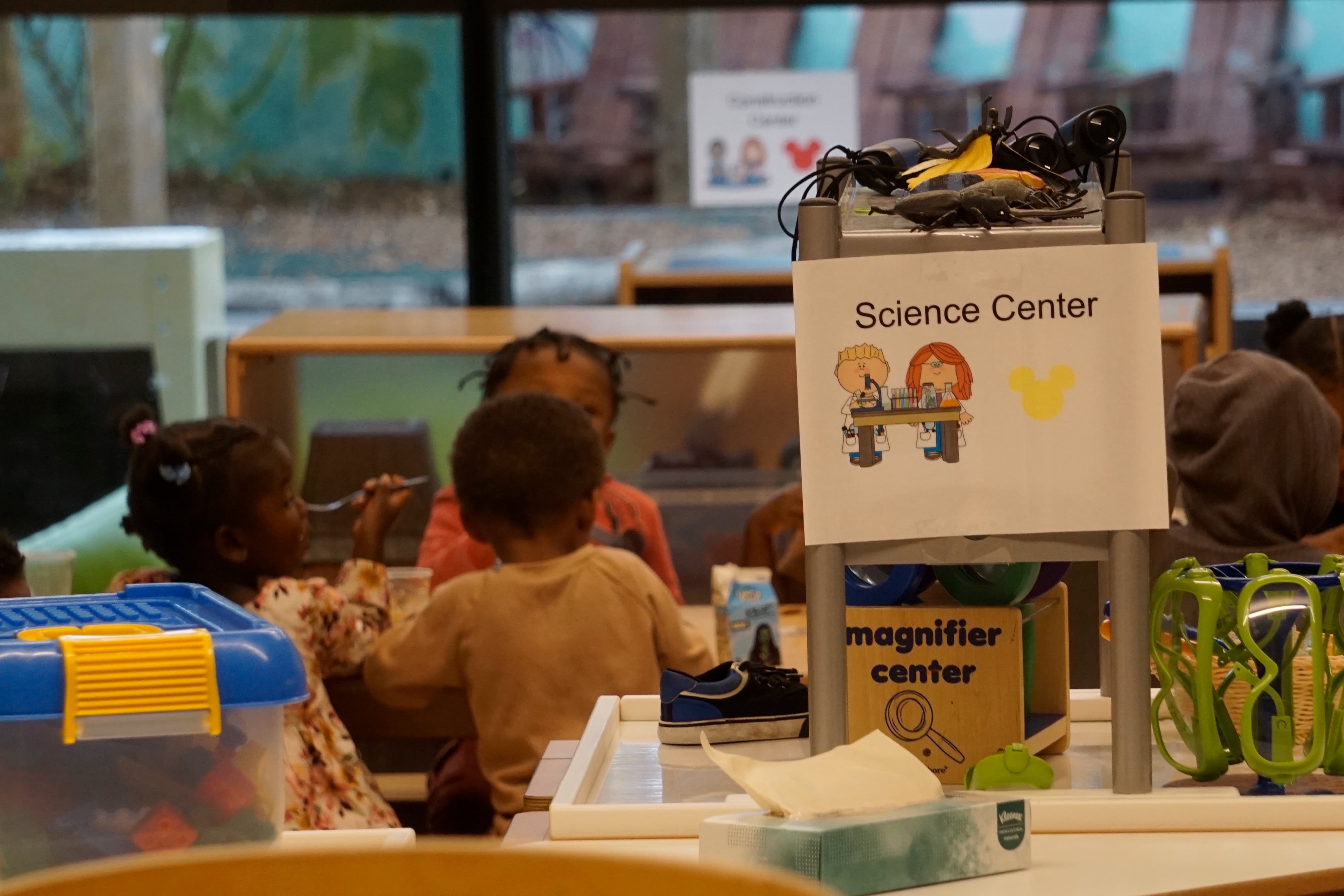
Head Start provides a range of health programs, said Angela Brown-Gorham, who directs the Sheltering Arms Stonewall Tell Center in South Fulton County.
Brown-Gorham said the program provides two nutritious meals and a snack each day to children. The program also provides health services, like early screenings for developmental problems, physicals, and dental services.
Students who were receiving physical therapy and other services through Head Start will also lose access, Binderman said.
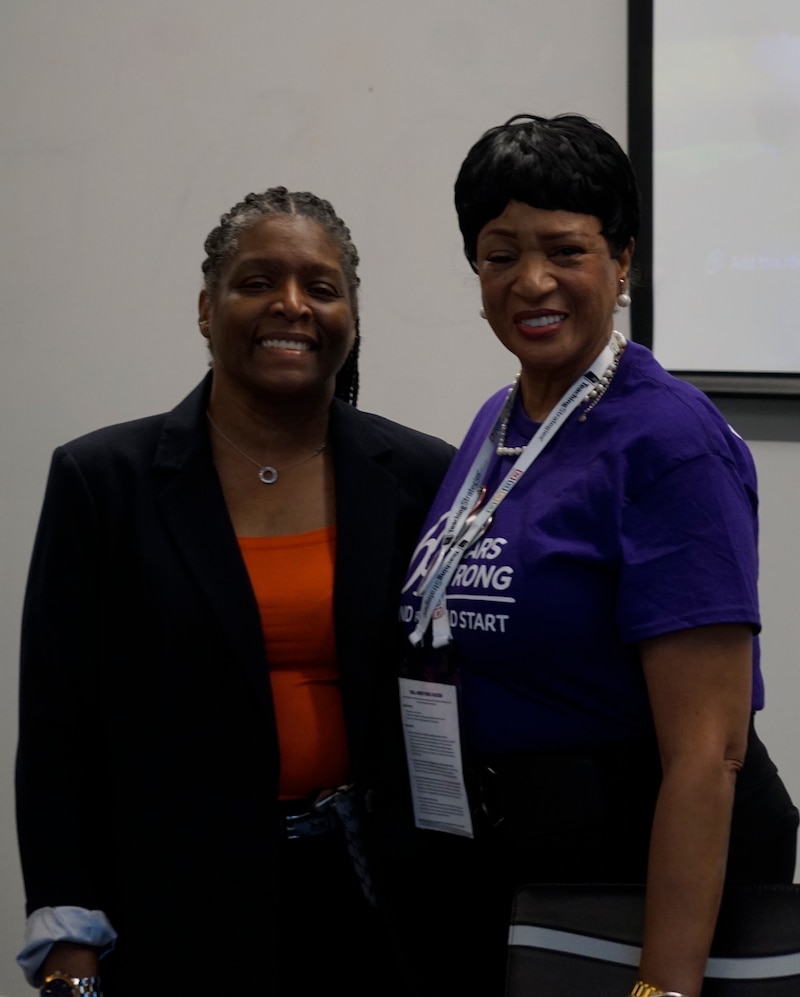
Brown-Gorham, who was a Head Start student as a child, said the program also provides important mental health benefits.
“I did have other kids to talk to and play with, and teachers that loved me,” she said.
Beyond the health impacts, there could be economic impacts. If Head Start shuts down, parents won’t have a safe place to send their children, and many will be unable to work, Brown-Gorham said.
Teachers and staffers at the centers will also be furloughed, Brown-Gorham said.
“It’s a shutdown for everyone, but it’s a shutout for parents, because they’re not going to be able to sustain if they don’t have this program,” she said.
Families who are enrolled in Head Start also rely on SNAP for food aid, meaning the Nov. 1 cutoff will be a double whammy, Binderman said.
“The families who are used to having their kids eat at these child care programs are now going to have to ensure that their kids get nutritious meals at home at a time where they don’t have SNAP benefits,” she said.
Local government officials and community groups are stepping in to help Georgians in need.
Fulton County Commission Chairman Rob Pitts said this week he would ask the commission to provide about $750,000 in food aid to residents. Atlanta Mayor Andre Dickens announced that the city would suspend water shutoffs and evictions from city-owned and -funded housing until the shutdown ends or Jan. 31, whichever comes first.
Dom Kelly, president and CEO of the nonprofit advocacy group New Disabled South, said his organization established a fund earlier this week to provide $100 and $250 cash payments to disabled people across the South. In two days, the program received more than 8,003 applications from Georgians, amounting to requests for $1.8 million. It had raised $70,000 to fund the program as of Thursday.
Rebecca Grapevine is a reporter covering public health in Atlanta for Healthbeat. Write to her and let her know how the shutdown is impacting you at rgrapevine@healthbeat.org.